Green Belts
Green Belts
Green Belts in England: Key facts
A series of factsheets on England's 14 Green Belts
Facts, figures and survey answers on England's 14 Green Belts: London (Metropolitan), Avon, Burton/Swadlincote, Cambridge, Gloucester/Cheltenham, North West, Nottingham/Derby, Oxford, Hampshire/Dorset, South & West Yorkshire, Stoke-on-Trent, Tyne & Wear, West Midlands and York
A Natural England survey into public attitudes towards the Green Belt
Data from the joint CPRE/Natural England report, 'Green Belts: A greener future'
In July and August 2009, Natural England conducted 1754 interviews including questions regarding Green Belt land in England, covering the following aspects of Green Belts: awareness and attitudes; perceived importance; usage and future use. The results were used to enhance CPRE's own surveys to provide reliable data to monitor levels of engagement with the Green Belt over time by measuring number of visits, activities undertaken, distance travelled, and the profile of visitor.
Green Belts
Great development potential
Green Belts 50 Years On
If they didn't exist, we'd have to invent them
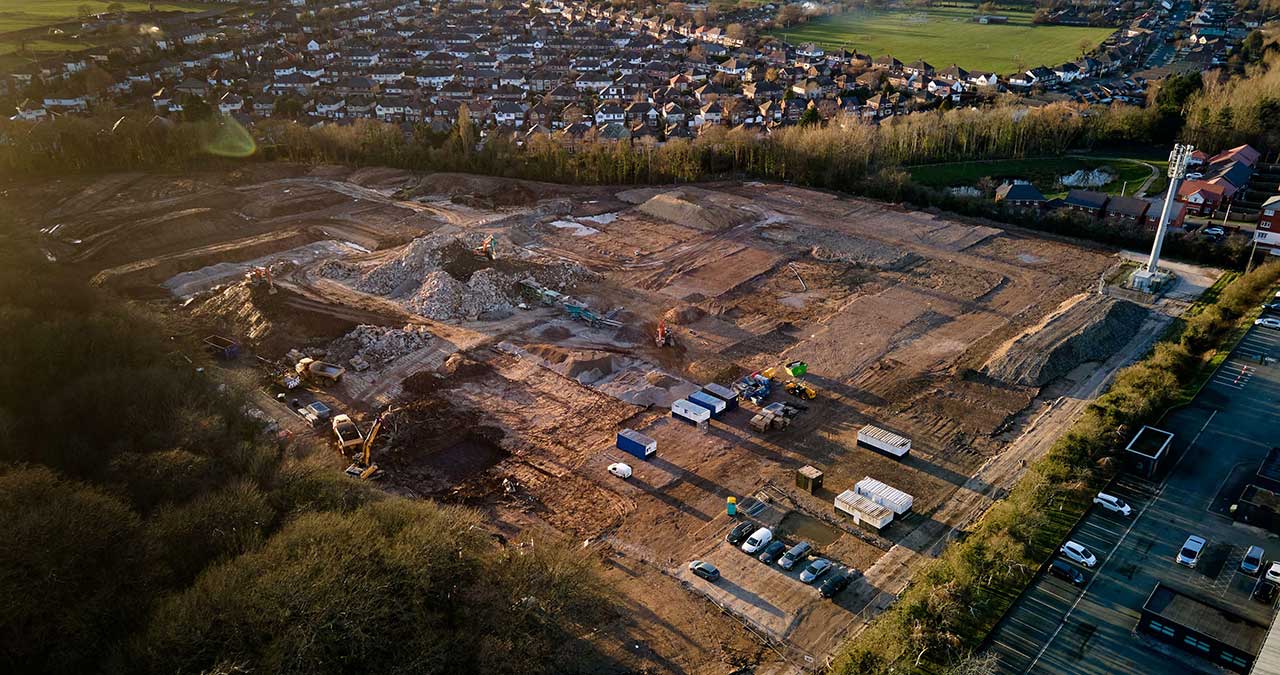
Green Belts have made a major contribution to the quality of life for us all by stimulating urban regeneration, combating sprawl and protecting the countryside. This briefing looks at the latest threats to Green Belts from new developments that should be resisted – including housing, airport runways, university expansion and sports venues. It urges a strengthening of Green Belt policy and planning controls, as Green Belt policy celebrates its 50th anniversary.
Green Belts: A greener future
A report by Natural England and the Campaign to Protect Rural England
This landmark report brings together, for the first time, information on the state of Green Belt land and compares this to other areas of England. We provide evidence that the 1.6 million hectares of Green Belt provide a rich and varied natural environment and many related benefits to society. The ecosystem services provided by Green Belt land are highly significant and have an economic value that is often underestimated or simply not understood. We conclude that these areas could take on an even greater significance in the face of climate change, England’s growing population and the need for a low carbon economy. They can also help in creating a healthier society through providing space for active outdoor lifestyles and nutritious locally grown food.
Green Belts: A greener future (summary)
A report by Natural England and the Campaign to Protect Rural England
In this summary of the full report we draw together the main findings and ask how Green Belts might better connect urban centres to the wider countryside and to food production; how they can help us to tackle the huge challenges posed by a changing climate; and how they can be valued as part of a nationwide ecological network providing breathing places for people and for nature long into the future.
Major Development Threats to Green Belt
The Oxford Green Belt Way
A fifty mile walk created by CPRE Oxfordshire around the Green Belt of Oxford
Celebrate the beauty of Oxford's Green Belt with this illustrated pocked-sized guide to the circular walk opened by Mayor of London, Boris Johnson, in 2007. Special route maps describe the attractive landscape, history and wildlife of the countryside surrounding Oxford. All parts of the walk are within easy reach of four park-and-ride sites, and are also accessed by many regular bus services. The guide is divided into nine stages, providing options for short or long-distance walks suitable for all ages; all walks are waymarked.