


CPRE’s State of Brownfield Report

New research from the Campaign to Protect Rural England (CPRE) has found that England has enough available brownfield land to accommodate more than 1.54 million new homes, exceeding the Government’s target of building 1.5 million homes.
The findings come shortly after Housing Secretary Angela Rayner acknowledged that there was only a “slim chance” of meeting the target. CPRE is urging the Government to take a different approach to housing development, prioritising previously developed land rather than allowing more of our countryside to be built on.
What is Brownfield land?
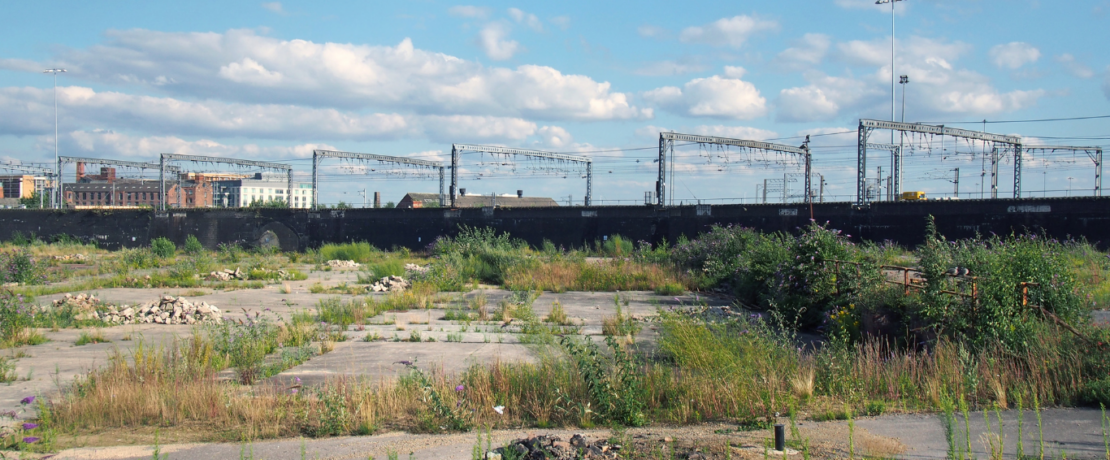
Brownfield land is land that has been previously developed but is now vacant, derelict or underused. This could include former industrial or commercial sites such as abandoned factories or old warehouses, disused quarries or pits, or redundant car parks. Brownfield sites do not include agricultural land, residential gardens or public greens spaces.
Making better use of these sites can help meet housing needs while reducing pressure to build on greenfield land, including open countryside that has never been developed.
Enough Brownfield for 1.54 million homes
CPRE has been reporting on brownfield sites available for development since 2018. Its latest research shows that the amount of land available for development has continued to grow, with sufficient capacity for more than 1.54 million homes across England.
The research also identifies 859,722 potential homes on brownfield sites that already have planning permission but have yet to be built.
These figures raise important questions about why more homes aren’t being delivered on previously developed land. Despite the Government’s stated commitment to a brownfield-first approach, changes to planning policy (including the introduction of the “grey belt” policy and a presumption in favour of development near train stations) have also made it easier to bring forward development on greenfield sites.
Brownfield-first approach
CPRE argues that housing policy should do more to prioritise the needs of communities and the environment, rather than placing greater pressure on the countryside.
Building on greenfield land can mean losing valued landscapes and increasing reliance on car travel, particularly where new developments lack good access to public transport and local services. There is also a risk that new homes fail to address the affordability challenges facing many people.
A brownfield-first approach would put previously developed land at the centre of housing plans. Many brownfield sites are within existing towns and cities, close to established communities, workplaces and amenities. With the right investment and planning, they offer opportunities to build homes while making better use of land that has already been developed.
As CPRE chief executive Roger Mortlock explains:
“The housing crisis is one of affordability, not supply. Building more detached homes on the Green Belt won’t get families out of bed and breakfast accommodation. In the spirit of devolution, it’s time to hand target-setting to mayors, asking them to set housing targets based on local need and demand. They know their own areas and communities, giving them clear mandates to deliver the social and brownfield homes their communities actually need.”
Enforcing a genuine brownfield-first policy
CPRE is calling on the Government to take practical steps to make brownfield development a genuine priority. Its recommendations include:
- Enforce a genuine brownfield-first policy for new housing, including by focusing Homes England investment on brownfield sites and rejecting speculative greenfield development.
- Give mayors and strategic authorities the power to set local housing targets – including for social and brownfield homes.
- Provide targeted investment to unlock brownfield sites that are not yet commercially viable, rather than defaulting to countryside release.
- Set ambitious and enforceable targets for affordable and social homes on shovel-ready brownfield sites.
With enough identified brownfield capacity to exceed the Government’s overall housing target, CPRE believes there is an opportunity to rethink where new homes are built and ensure development better reflects the needs of local communities.
For Surrey, protecting the countryside while meeting housing needs remains an important consideration. Making the best possible use of previously developed land should be a key part of that conversation.
Find out more
Read Roger Mortlock’s views on CPRE’s latest brownfield research in his article on the CPRE Website.
You can also read the full State of Brownfield Report 2026.