Housing
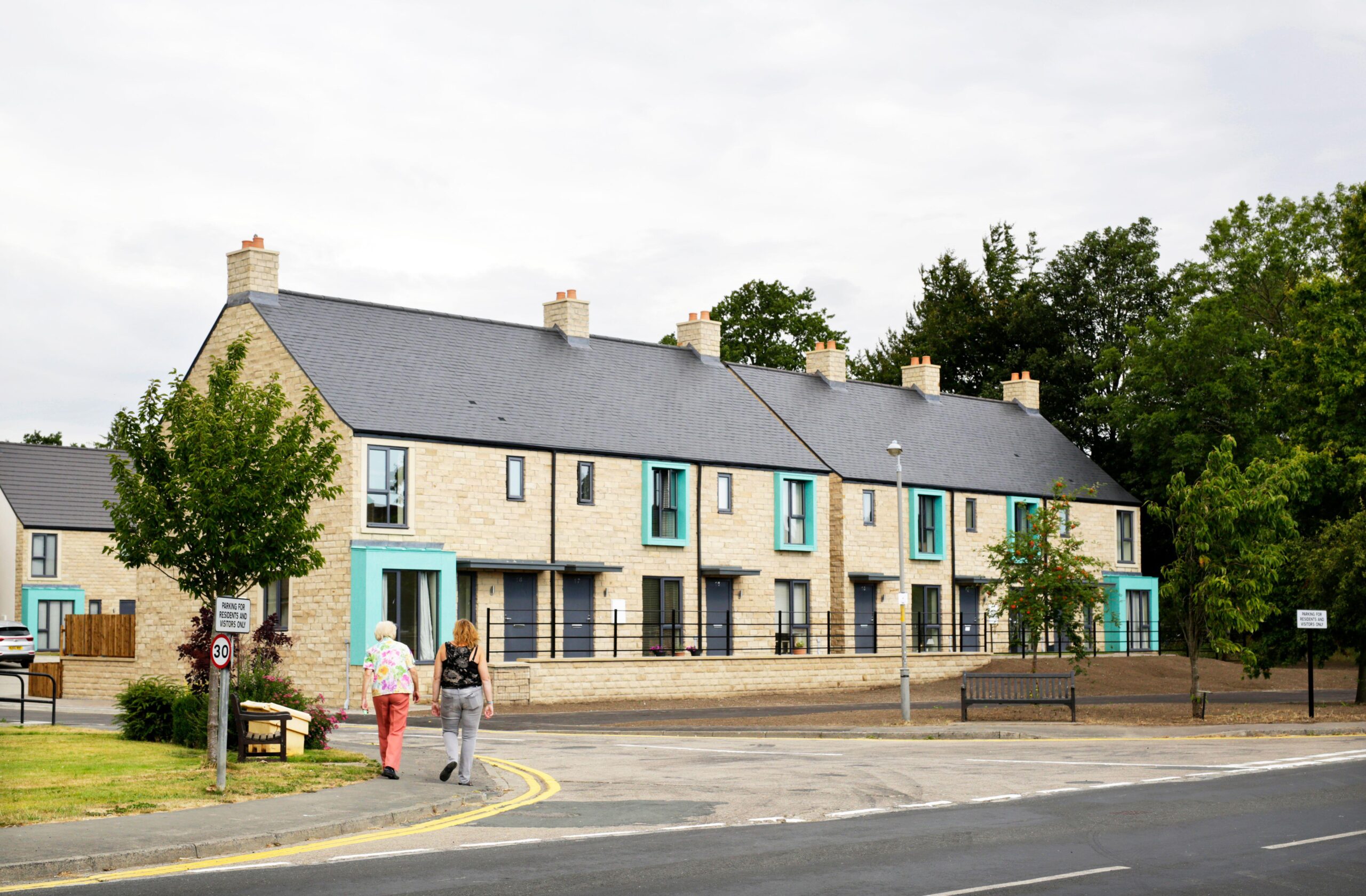
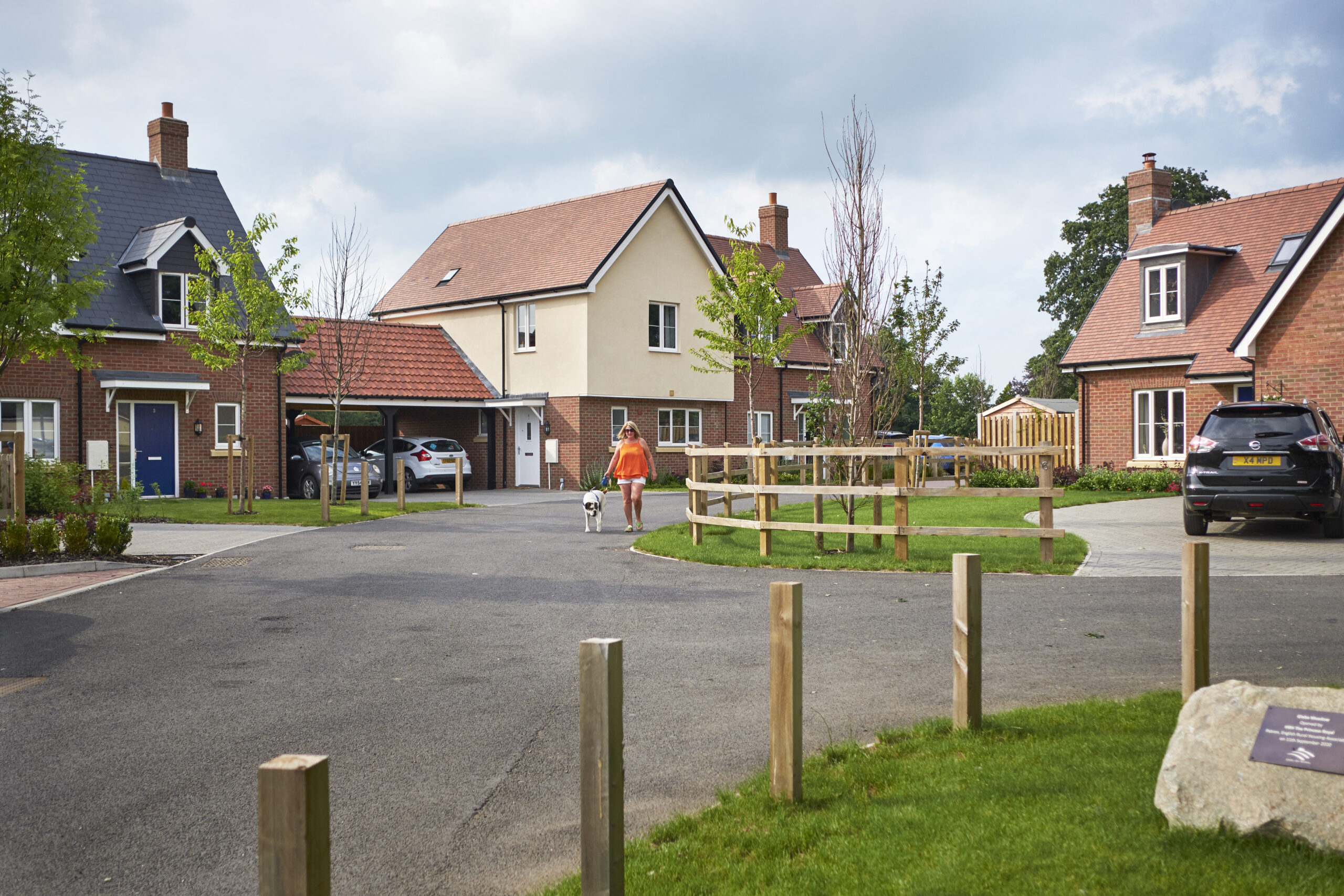
Affordable Housing Keeps Villages Alive
This brochure considers the need for affordable housing in rural communities and how it can be built to best meet the needs of local people in the long term. Prepared by the National Housing Federation in conjunction with CPRE and other partners.
Anybody Home?
Empty homes and environmental consequences
This important publication looks at the environmental benefits of reusing vacant homes to meet housing need. It includes national, regional and local measures, which could help bring empty homes back into use.
Brownfield Market Signals
Greenfield housing land supply and the viability of brownfield housing development
Brownfield regeneration has been one of the great unsung success stories of recent years. Land is now developed more efficiently for housing; this has improved the urban environment and protected the countryside from unnecessary sprawl. There is a real danger that short-sighted responses to current economic conditions could undermine urban regeneration schemes in the future.
Brownfield Market Signals: Executive Summary
Brownfield regeneration has been one of the great unsung success stories of recent years. Land is now developed more efficiently for housing; this has improved the urban environment and protected the countryside from unnecessary sprawl. There is a real danger that short-sighted responses to current economic conditions could undermine urban regeneration schemes in the future.
Building on Barker
How we can continue to improve housing for everyone without damaging the environment and sprawling over the countryside
Developers continue to rely on many of the arguments made in the 2004 Treasury-sponsored Barker Review in their arguments for loosening planning controls in the countryside, to which this report provides a comprehensive rebuttal. We present evidence that there is no overall shortage of housing for sale and a massive boost in output would create needless environmental damage. Our report also looks at the factors which have been fuelling demand and what measures could be introduced to counter this.
Compact Sustainable Communities
Making the case for well planned, higher density, mixed use urban development: meeting housing needs, improving quality of life and protecting the environment.
CPRE's Housing Manifesto
We need new housing that is well designed and located, meets local needs and enhances the environment. A strong planning system is vital to achieving this. It can breathe new life into run-down urban areas while protecting the countryside for future generations to enjoy.
CPRE's policy on brownfield land
Land is a precious resource, and must be used wisely. Much progress has been made in recent years in making use of previously developed land, or ‘brownfield sites’, for new development. Around three quarters of new homes are now built on brownfield sites. Overall, this is good news for the countryside, and good news for urban areas which have benefited from regeneration. CPRE supports a ‘brownfield first, greenfield last’ strategy as a general principle. However, just because a site is brownfield does not mean it should necessarily be developed.
CPRE's policy on housing
CPRE believes that a healthy, thriving countryside is important for everyone, no matter where they live. Our approach to housing policy embodies this belief. Good planning should provide everyone with a decent home they can afford. While housing development can have a significant landscape impact we believe it is possible to avoid sporadic development in the countryside and the unsustainable sprawl of our towns and cities. Meeting the housing needs of rural communities is particularly important if they are to thrive. In the national context of a growing and changing population it is important to meet the need for new housing in England. This document outlines how CPRE believes this can be done without unnecessarily damaging the countryside.