


On the Edge: the countryside on our doorsteps
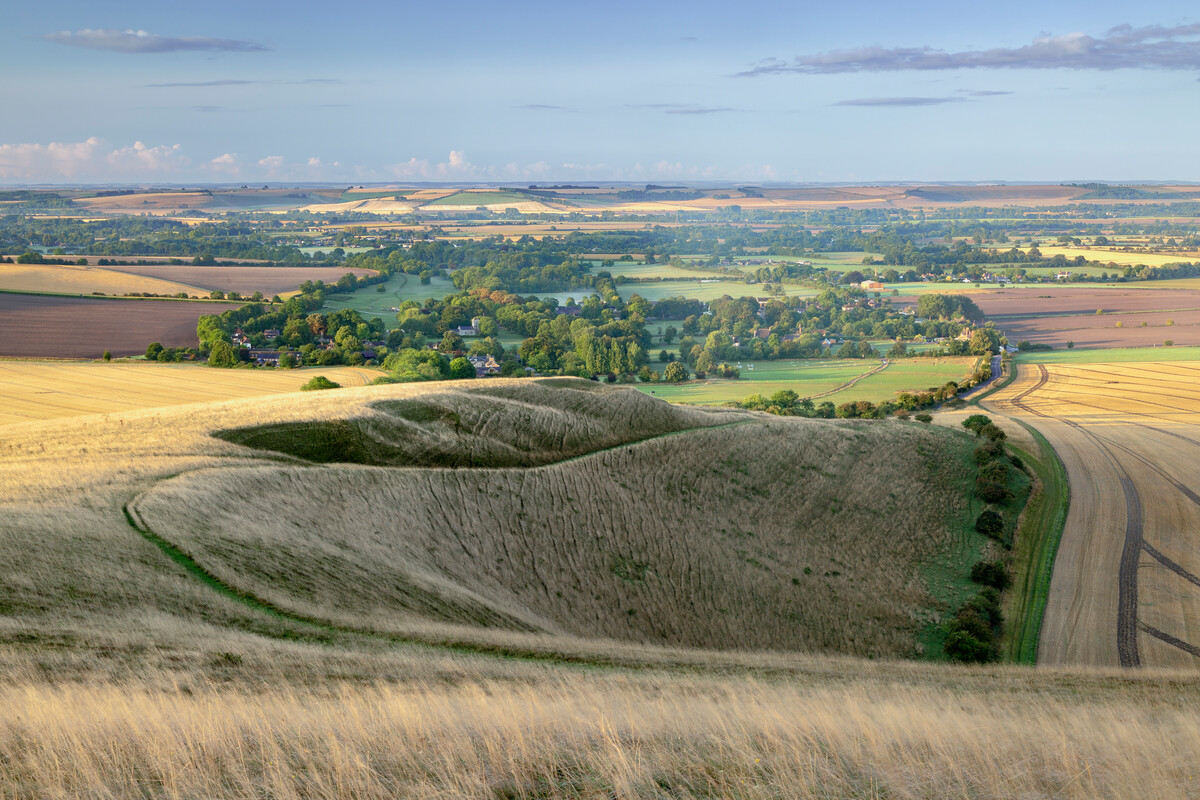
The countryside isn’t always remote hills and postcard landscapes. For millions of people, it’s the field behind the houses, the woodland at the end of the road, the river path that fills us with joy and wonder. As CPRE marks its centenary, we’re turning our attention to the green spaces surrounding our towns and cities, and the quiet but vital work they do.
Walking out of her front door in Newbury, Olivia turns left towards the town centre or right down the crescent. At the end of the road there’s a gap in the bushes. Step through it, and suburbia gives way to rolling fields – a landscape she describes as ‘like stepping through the wardrobe into Narnia’.
In South Manchester, Bethan can cycle for fifteen minutes and be off the main roads, out on country lanes, breathing easier. In Greater Manchester, Sarah navigates narrow pavements and bypasses to reach footpaths that volunteers help maintain. In London, Lloyd’s children search for ‘Treebeard and the tree fairies’ in the ancient woodland near Beckenham Palace.
For thousands of people around the country, this is the countryside they know best.

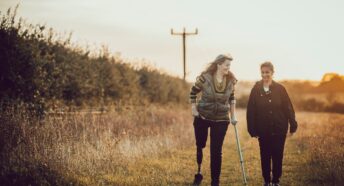
It’s the orchard a new mother walks through to steady herself in the fog of sleepless nights. The short, paved river path that works – just about – for a husband using mobility equipment, until a gate proves too narrow. The footpath that feels like freedom to teenagers, until busy roads make it unreachable without a lift. The fields glimpsed from a flat window that soften the hard edges of long workdays.
Overlooked landscapes
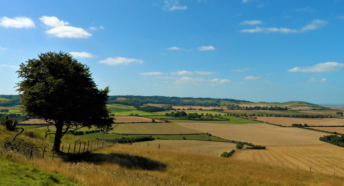
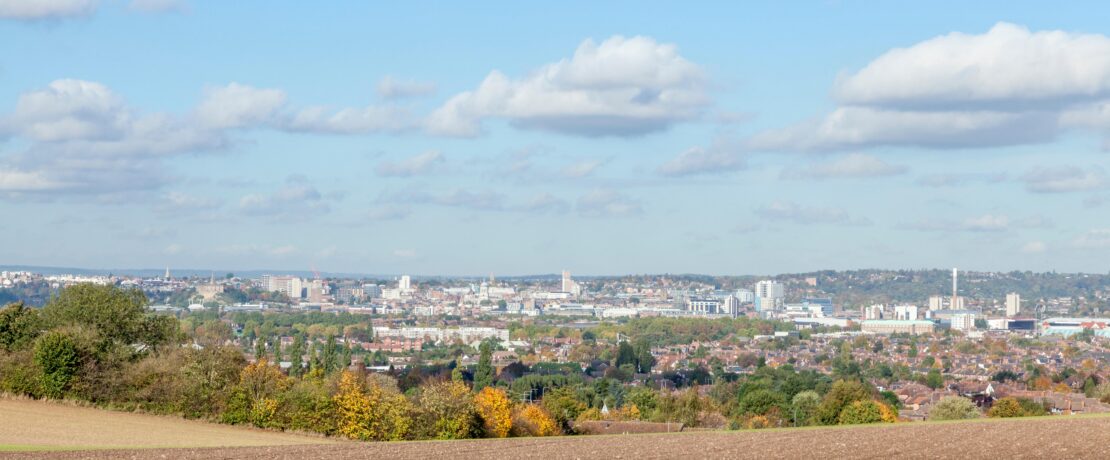
This isn’t remote wilderness. It’s the countryside on the edge of our towns – woven into daily life. This year, as CPRE marks its centenary, we’re turning our attention to these overlooked landscapes: the countryside on the edge of our towns and cities. The places where cranes and container ships glow on one horizon, and forest stretches out on the other. The grazing land behind new housing estates. The flood meadows, allotments and hedgerows that sit quietly between urban streets and open country.
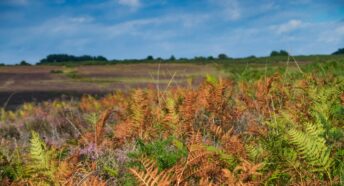
For many people, this is the most accessible countryside of all. Around 80% of people in England live within a 15-minute walk of a green space. But whether formally designated or not, every town has its own ‘edge’: riverside paths, fragments of ancient woodland, open paddocks, scrubby margins alive with birds and insects.

These spaces do quiet but vital work. They are where new parents reclaim a sense of themselves. Where families find respite from urban pressure. Where young people discover a woodpecker and fall in love with birds. Where communities gather, breathe and reset. They cool overheated streets, absorb heavy rain and grow food close to home. They host deer, hares, skylarks and pollinators in landscapes that have been shaped by generations over centuries.
Yet because they sit in between – neither city centre nor postcard countryside – they can feel invisible. They are loved, but not always recognised. Used daily, but rarely centred in national conversations about land. And in many places, they are under multiple pressures: from climate impact, development, fragmentation, lack of maintenance, and the erosion of access.
Hope on our doorstep
We believe these landscapes deserve more attention, care and imaginative solutions – for the people, communities and ecosystems that depend on them.
The countryside on our doorsteps will continue to evolve – shaped by climate change, farming, housing needs and growing communities. The question is whether that change happens by default, or by design.

With collaboration, long-term thinking and a shared sense of stewardship, these green edges can become more resilient and more welcoming. They can support nature recovery while strengthening local food systems. They can cool overheated streets, manage floodwater and open up space for more people to walk, grow and connect with the land.
Across the country, people are already showing what’s possible. Volunteers restore hedgerows and maintain footpaths. Communities protect ancient woodland and open up new access routes, making the countryside reachable for people who may otherwise by excluded by distance, disability or design. Farmers at the urban fringe are finding ways to grow food alongside wildlife. Neglected corners are being transformed into places of abundance.
This is what hope on our doorstep looks like.
CPRE at Chelsea
This spring, at the RHS Chelsea Flower Show, CPRE’s On the Edge garden will shine a light on these overlooked landscapes. Not the remote countryside we often picture, but the everyday countryside woven into our lives – the green edges of our towns and cities, full of possibility.
In our centenary year, we’re inviting people to look again at the places they pass every day. The field behind the houses. The woodland at the end of the road. The river path that makes life feel lighter.
The countryside isn’t somewhere else. It’s right here – for everyone.
Stories on the edge
This article draws from the personal stories shared with CPRE about people’s experiences with the urban edge. You can read these stories in full here.