


The Planning & Infrastructure Act – What does it do and what happens next?
The Planning and Infrastructure Bill has been debated, scrutinised and voted on – repeatedly – in both the House of Commons and the House of Lords. Now it has been approved by Parliament it will become legislation as the Planning and Infrastructure Act.
The Act was first introduced as a Bill in the House of Commons in March 2025, and we worked hard with both MPs, Peers and other nature organisations to improve it.
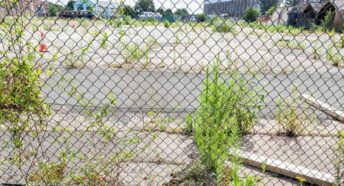
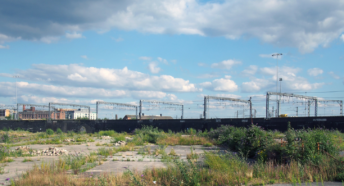
We’ve been calling on the government to protect and regenerate the countryside, protect local democracy, and encourage the sustainable use of land, particularly through recycling brownfield land – previously developed land that’s no longer being used – for homes and infrastructure.
The good
Spatial Development Strategies
The Act creates new long-term plans for how development will happen across larger areas of the country, something we have supported for a long time. We believe these new spatial development strategies (SDS) will improve how we deliver housing in the countryside, while protecting nature and green space. CPRE supported amendments to ensure these plans prioritise the use of brownfield land, but despite the House of Lords backing these changes, the government removed them. This is a disappointing setback for nature, local democracy and responsible land use. But our campaigning continues. We will have more opportunities to be a strong voice for the countryside in the new year with the government expected to launch a consultation on further changes to national planning policy soon.
The ‘Wait and See’
Environmental Delivery Plans
Through the Planning and Infrastructure Act the government has introduced Environmental Delivery Plans (EDPs) to change how developers protect and enhance our environment when building. We think these plans will encourage developers to damage the environment locally and simply ‘make up for it miles away. That’s not restoration — it’s displacement. This could also mean that some people lose access the local green space. We were pleased when the government made some changes due to pressure from CPRE and our partners in the environmental sector, and with our allies we will continue to hold the government to account on environmental protection.
The Bad
National Scheme of Delegation
The government wants to introduce a National Scheme of Delegation that would take key planning decisions out of the hands of local councillors and give them to planning officers by default. Ministers argue this will stop local committees from rejecting housing schemes. But the real blockers are the handful of big housebuilders who control land, slow down build-out rates, and drip-feed supply to protect profits.
CPRE is pushing back against this. Centralising these decisions waters-down local democracy, making it harder for local communities to have a say about what gets build where they live. It risks shifting decisions away from open, democratic committees and into processes that people can’t easily challenge or influence. We’re always working to ensure communities keep a meaningful voice in shaping development in their area.
What’s next?
Passing the Act isn’t the end of the story for planning and nature. There’s a lot we can still do to influence decision-makers and help protect our countryside.
National Parks and National Landscapes duty
In the last round of planning changes in 2023, the Conservatives strengthened the law for National Parks and National Landscapes (formerly AONBs) giving public bodies a legal duty to enhance the purposes of protected landscapes. CPRE were delighted when this was made law.
However, the government now wants to water down this commitment or scrap it entirely, despite Labour supporting it in 2023. We will be working with the Campaign for National Parks, the National Landscapes and other environmental charities to defend this duty – ensuring we continue to improve our natural environment, wildlife and heritage.
Environmental Delivery Plans & Spatial Development Strategies
While CPRE did not support the introduction of EDP’s, now that they are law it is critical that CPRE works locally to shape how they work in practice, along with new SDS.
When developers and the government start using both new tools, they will need to be approved and should involve consultation, so CPRE’s local groups across the country will work to ensure they protect and regenerate the countryside, landscapes and nature.
National Scheme of Delegation
CPRE secured a win on the National Scheme of Delegation, with the government promising a vote in parliament on the specific plans for which decisions should and shouldn’t go to local planning committees. When that vote happens, CPRE will work hard to engage MPs on how to stop the loss of community voices.
Keeping environmental protections
Since taking office, the government has tried to pin the blame for slow development on environmental protections. But good rules don’t block good homes – they stop poor-quality schemes and protect the countryside, nature and landscapes every community depends on. The real barriers to delivery lie elsewhere: market failure, land banking, and a lack of genuinely affordable homes.
This week’s Environmental Improvement Plan sets out welcome ambitions for restoring nature. But ambition only matters if government policy pulls in the same direction. Protecting landscapes and speeding up sensible development are entirely compatible – and ministers need to stop pretending they’re in conflict.
That’s why the recent review calling for weaker environmental protections for new nuclear infrastructure is so troubling. And the Prime Minister’s pledge to slash so-called ‘red tape’ across the board cuts directly against the goals in the EIP. Diluting safeguards won’t build better places; it will simply lower standards. CPRE will keep pressing for a planning system that delivers the homes we need and regenerates the nature and landscapes that sustain us.