


Greening the Grid
A manifesto for how we should move energy around the country in a smart way
Clean energy is essential for tackling the climate emergency. Tackling climate change goes hand in hand with saving nature and our countryside. To stop it getting worse, we must replace fossil fuels with clean energy.
This also means we’ll have double the amount of electricity to connect from where it’s generated to where it’s used. Building and upgrading this new transmission infrastructure is already happening – it’s what National Grid is calling the ‘Great Grid Upgrade’.
We’ll need more cables and pylons carrying energy, more substations to transform high voltage power to useable lower voltages, and more batteries to store renewable energy for when the wind doesn’t blow and the sun doesn’t shine.
Just as quickly, we need to regenerate the countryside to make sure nature and landscapes can better withstand the changing climate, such as more frequent and extreme weather events. This is essential. Climate change is a huge threat to food production, nature, and the countryside itself. We want to ensure that future generations can enjoy a beautiful, productive and nature-rich environment.
Critically, we can’t afford to meet our clean energy needs at the expense of a thriving countryside. People across the country care deeply about tackling the climate emergency but also regenerating, protecting and keeping the countryside beautiful at the same time. All voices should be heard as we make this big energy transition.
At CPRE, we want to see the clean energy system built, not blocked. These eight principles explain how we think it can be done well. The ‘Great Grid Upgrade’ can be greened to have the least environmental impact and the greatest benefit for people, nature and the countryside. The manifesto asks the government and energy system leaders to listen to and take up our solutions.
Together, we can quickly build a clean, fair, and countryside-friendly energy system – one that powers our future while protecting and regenerating the landscapes we love.
1. Have a national conversation on Greening the Grid
Everyone should know what the ‘Great Grid Upgrade’ is about and why it’s happening, communicated through local citizen engagement events.
- Enable citizen engagement events: The government should lead a big public conversation to get feedback on the grid upgrade options before it makes the final call on where new infrastructure should go.
2. Engage communities early to help shape major energy infrastructure
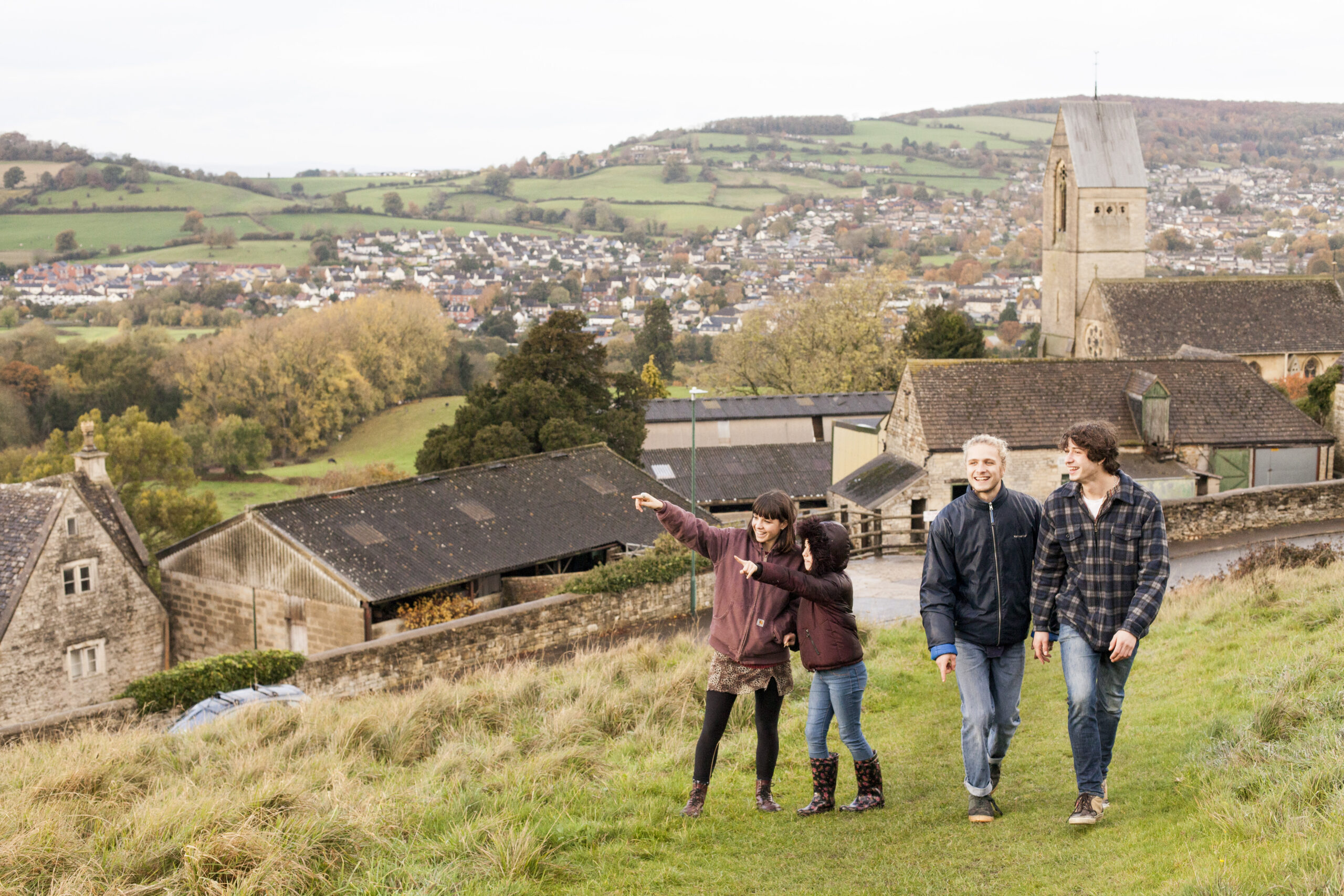
Local people should be meaningfully involved in the planning of Nationally Significant Infrastructure Projects (NSIPs) right from the start, advising on the best choices and how to reduce any negative impacts, as well as enhance the surrounding countryside.
- Reform NSIP planning: The government should reform NSIP planning so that affected communities are engaged early and meaningfully in the real options for a project. For example, helping guide routes of cables and pylons to the best ‘corridors’ through the landscape before decisions are set in stone. Taking the time to do this early on means community consent for projects can be reached more quickly.
- Introduce local design panels: Local people should have a say all the way through a process – we’d like to see ongoing design panels for iterative advice on best solutions.
- Introduce a developer consultation test: Energy developers should be judged by the quality and outcomes of the engagement with local people rather than how many people and how many times they consulted.

3. Steer green industrial growth to the right areas
We need energy efficiency to increase dramatically. One way the government can help is to guide energy-intensive industries, such as data centres, green steel, green cement and hydrogen production, to be sited closer to where energy is generated. This would also support regional economic regeneration, especially on former brownfield land.
- Manage energy demand better: More investment is needed for flexible energy solutions such as batteries, long duration energy storage and smart systems that balance supply and demand.
- Set Industrial Strategy targets: As well as using energy more efficiently, we should minimise use in the first place; the government should embed legally binding energy demand reduction targets into the Industrial Strategy Ten Year Plan, in line with UK carbon budgets.
4. Aim for the best
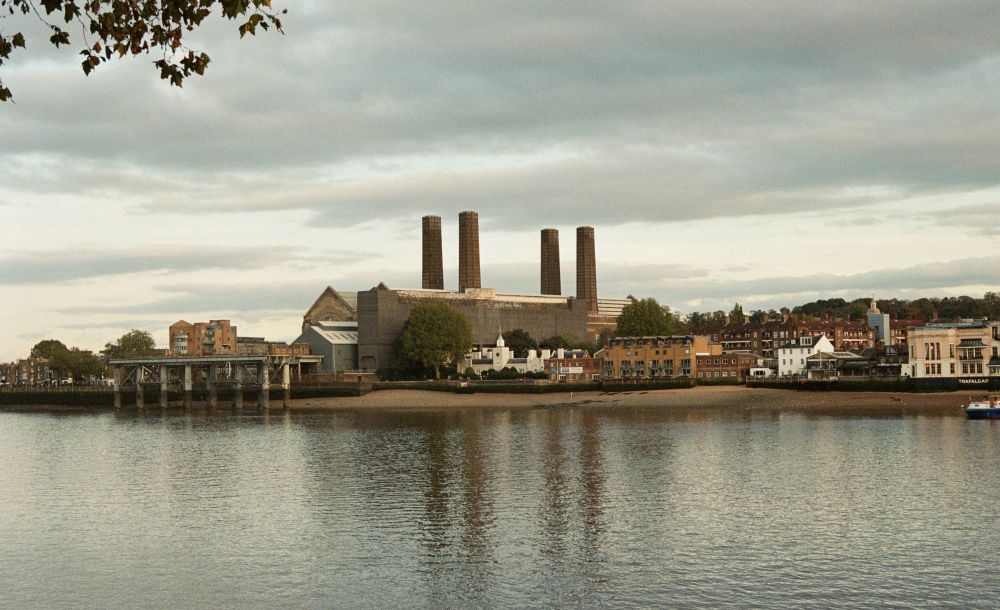
If we want a ‘smart grid’ to be proud of, quality is as important as speed. The grid should be designed in a countryside-friendly way that brings rural communities on board. New technology and innovation should drive efficiency and locally appropriate design. For example, smarter cable materials and superconductors increase efficiency by allowing existing electricity lines to carry more power, and smaller ‘T’-pylons and/or other pylon designs can reduce visual impact for local communities.
- Engage people on the big principles: To help public buy-in, we’d like the National Energy System Operator (NESO) to have a wider two-way conversation with communities on the big principles shaping the design of the grid, before publishing the Electricity Transmission Design Principles.
- Drive local innovation: Developers should show and communicate more ambition for a range of locally appropriate best practice design to help reduce impacts on landscapes, nature and communities.
5. Build more of the grid offshore
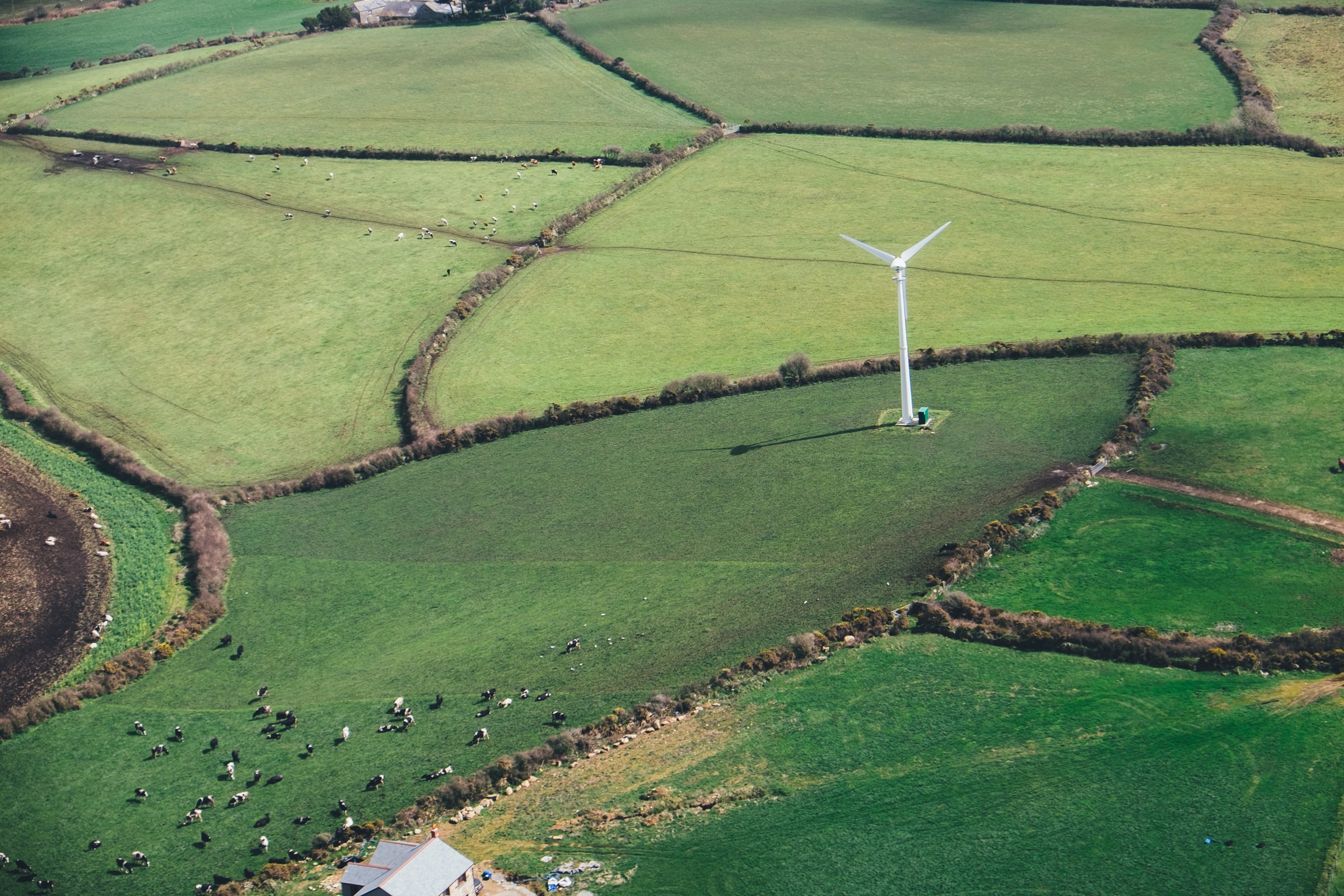
We need to plan for the majority of our grid and wind farms to be offshore, reducing the need for onshore infrastructure significantly and avoiding the worst visual impacts. This means electricity cables under the sea whilst minimising impacts on coasts and marine biodiversity.
- Set ambitious offshore grid targets: The government should set a target for more of our energy grid to be offshore by 2035.
6. Protect sensitive landscapes and sites
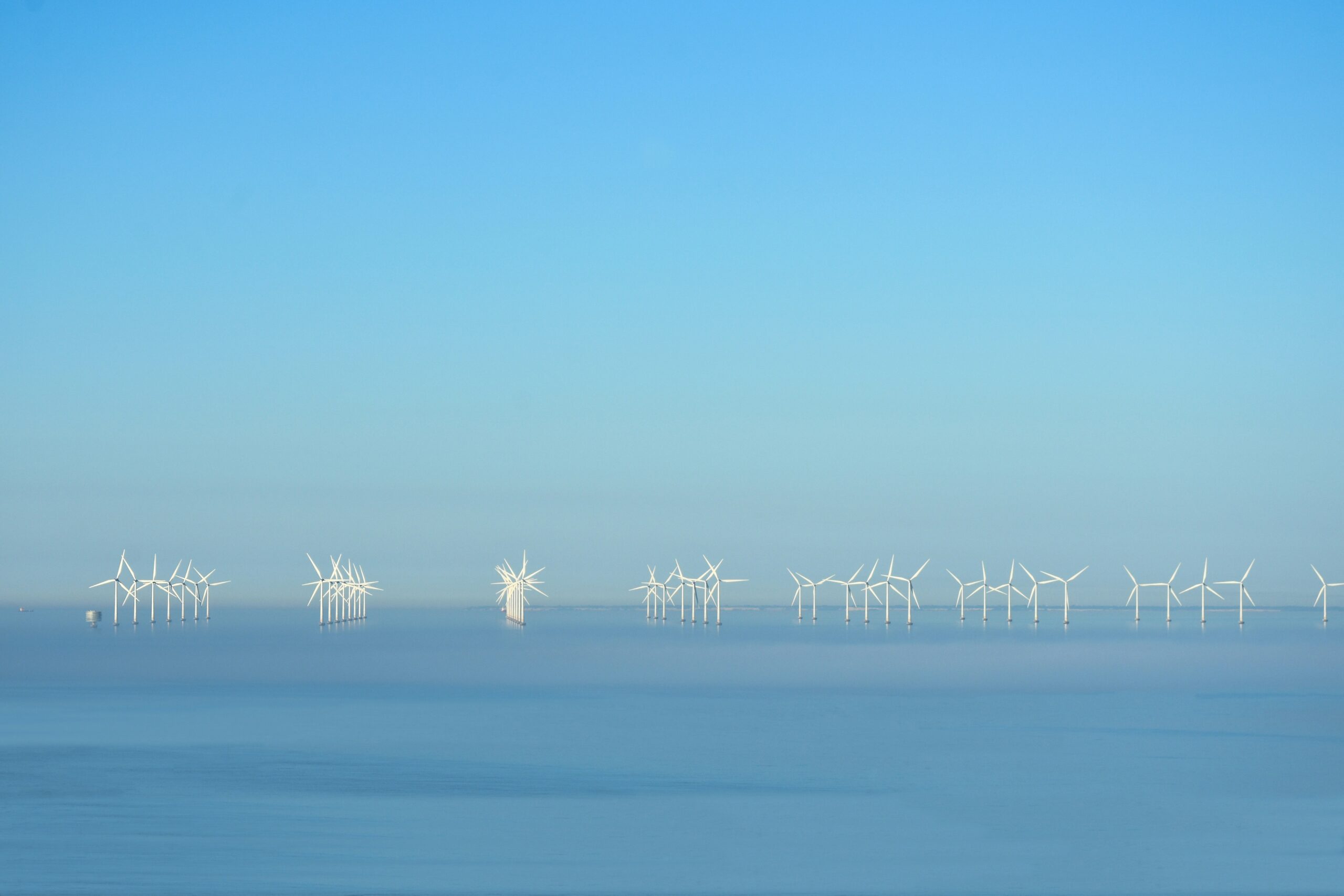
Nature and rural landscapes should not be damaged in the mission to build a clean power system. It is non-negotiable that environmental and landscape character impacts should be fully assessed and mitigated so landscapes remain beautiful and nature recovers.
- Avoid infrastructure in protected areas and sites: National Grid should ensure that electricity transmission lines avoid designated landscapes, including peatlands, and any new cables in national parks and national landscapes should be put underground.
- More use of undergrounding cables: National Grid should widen the circumstances in which underground cables can be used when planning new energy infrastructure in any sensitive or valued countryside (not only in legally protected areas) and promote this with new design guidance.
- Remove existing lines from the landscape: The Department for Energy Security and Net Zero (DESNZ), Ofgem (Britain’s energy regulator) and National Grid should continue the successful scheme to bury or entirely remove existing lower-voltage cables from the countryside. We welcome the visual impact work removing some of the most intrusive pylons for beautiful landscapes.
7. Use this opportunity to regenerate the countryside
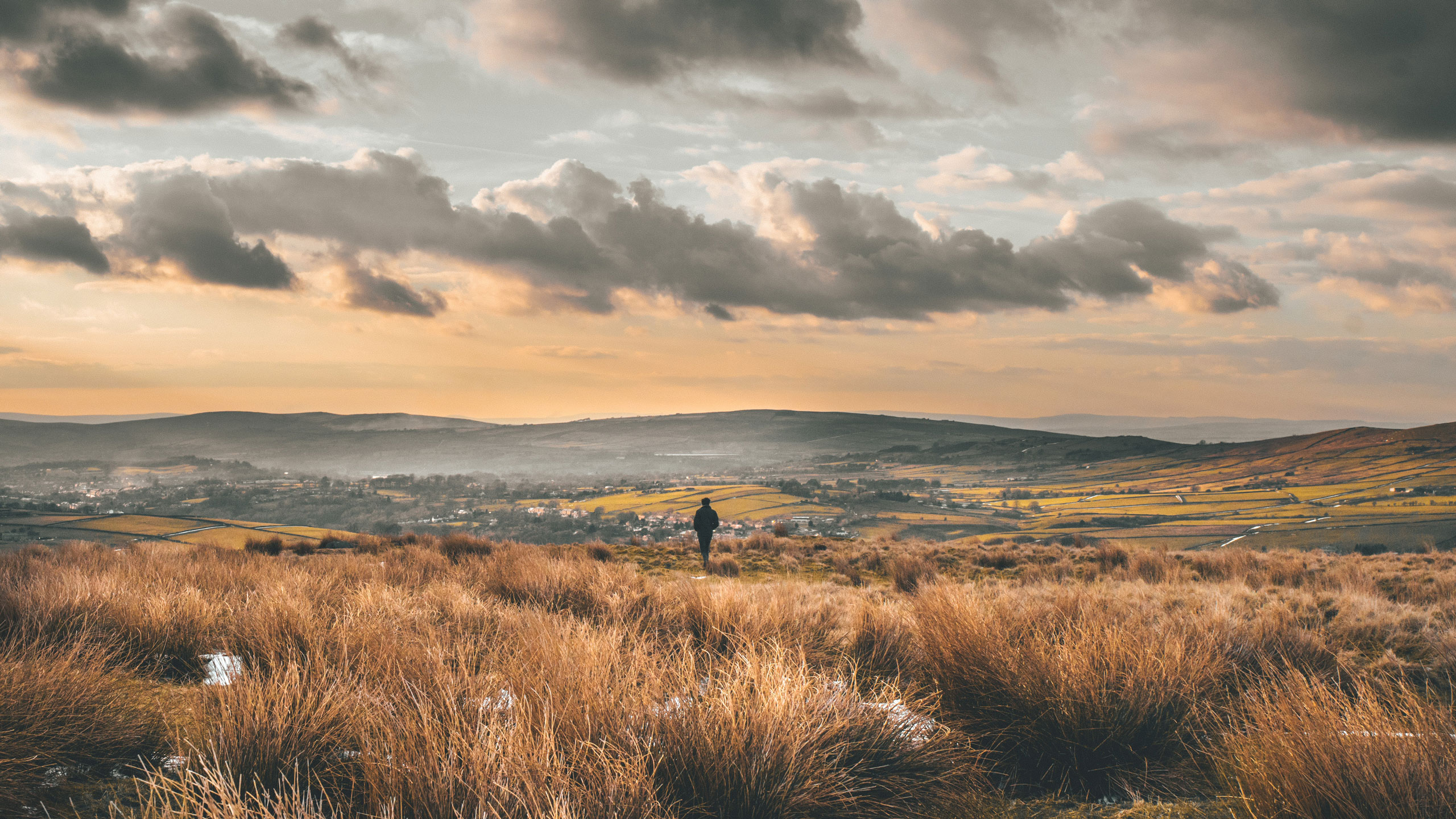
During the grid upgrade, the environment should be left in a better state than it was before. We should improve and regenerate the countryside around our energy infrastructure.
- Embed environmental net gain: The government should ensure that all major infrastructure projects contribute positively to nature recovery and climate goals beyond merely reducing harm. This should include improving landscapes along a broad swathe near infrastructure, with the enhancements significant, widespread and holistic.
- Strengthen environmental protections: The government should set a non-negotiable expectation for all new energy infrastructure proposals to go through a full assessment of environmental impact, with harm avoided where possible.

8. Unlock the power of community energy
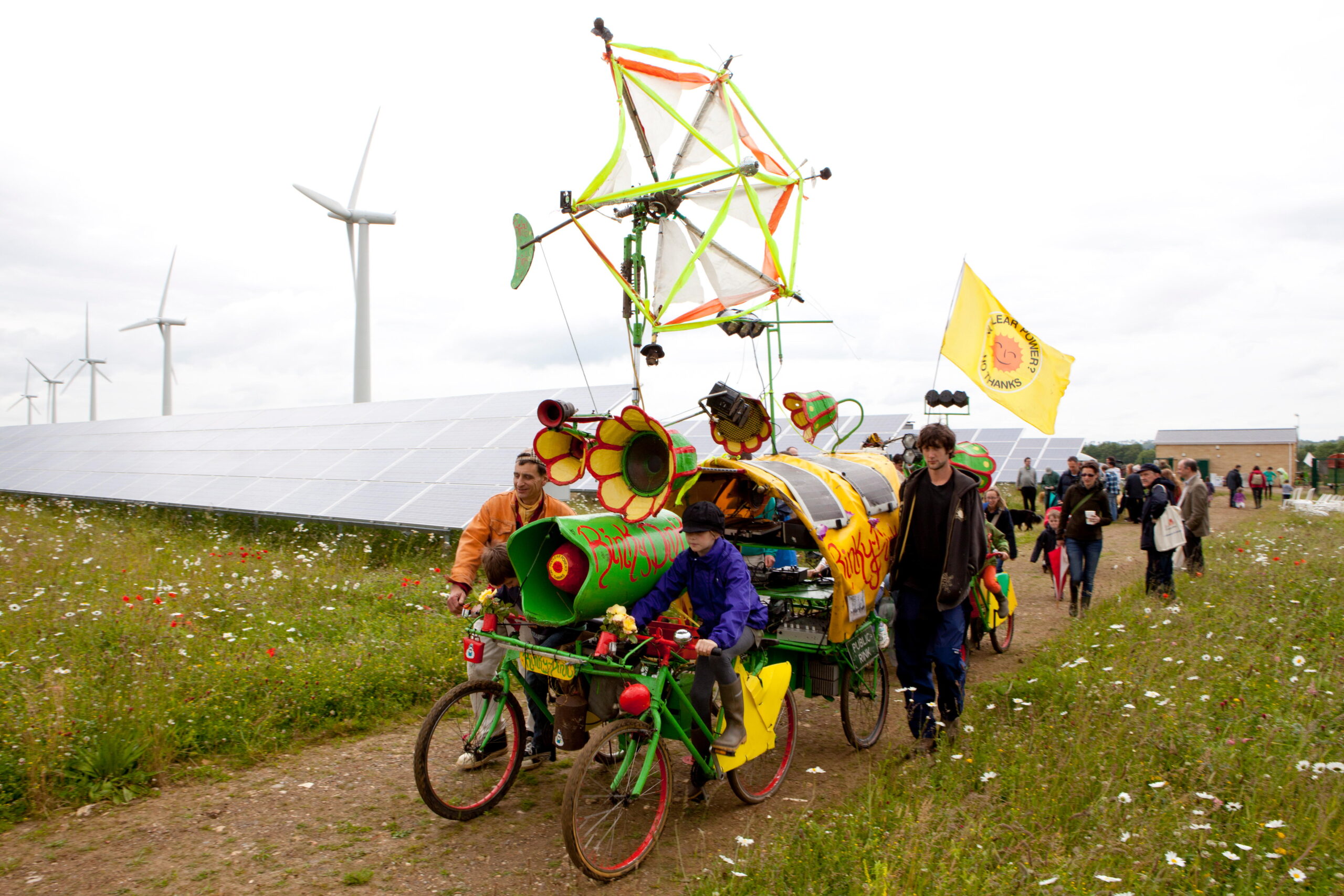
Local and community renewables, especially solar and wind, can lead the way as a fast and popular route to local energy resilience. But they rely on ‘local smart grids’: flexible, two-way grid connections that are ‘smart’. This enables efficient use and storage of energy generated locally and allows the selling back of any excess to the wider grid, to create community income. Prioritising community energy like this saves the countryside and minimises the need for long-distance transmission infrastructure, which is more energy efficient.
- Increase investment: Ofgem should direct regional electricity networks to invest in ‘local smart grids’ that will connect to more local and community energy schemes.
- Prioritise community energy in planning: Reform the National Planning Policy Framework (NPPF), so that community-led energy schemes get the same level of encouragement as community-led housing schemes.
- Speed up connection for local schemes: Add a fast-track route for community energy schemes in the queue of energy developments waiting for permission to connect to the grid.
- Unlock the power of our roofs: The government should increase Clean Power 2030 targets for rooftop solar, with more focus on enabling connections for warehousing and other large-scale rooftops (such as schools and hospitals).