


2025: CPRE’s impact
It’s been a pivotal year for CPRE and our countryside.
From navigating new national planning policy, to responding to a nationwide consultation on how we use land, to running a major campaign on rooftop solar, we’ve championed the countryside this year. As we prepare for a monumental 2026 – celebrating 100 years of standing up for the countryside – let’s first take a look at what we achieved together in 2025.
Bringing sunshine to a gloomy January
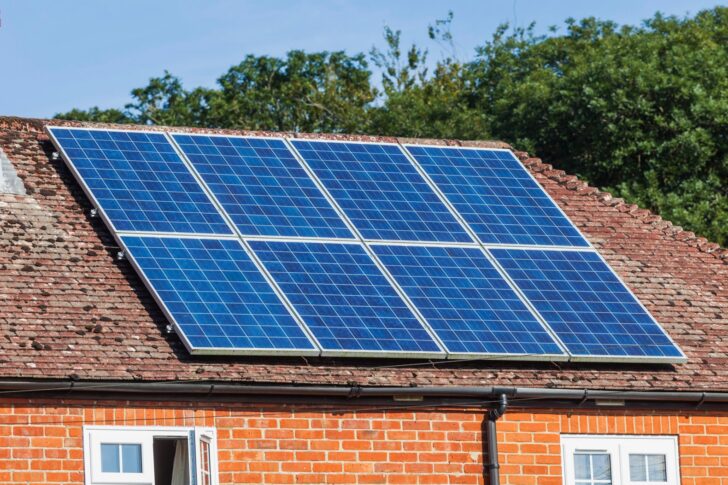
In December 2024, the Sunshine Bill was put forward in parliament as a Private Members’ Bill by Max Wilkinson, Liberal Democrat MP for Cheltenham. Its aim was to require all new homes in the UK to have solar panels installed as standard. We immediately threw our support behind it.
Solar panels on the roofs of most new buildings isn’t just a sustainable solution which protects more countryside, but it’s something that has huge public support, as shown by our YouGov poll early in the year.
As part of our campaign, in just a few short weeks, more than 10,000 CPRE supporters emailed over 600 MPs, representing more than 90% of constituencies in the UK, urging them to support the Sunshine Bill and show up to debate it. While that debate was adjourned, the government soon announced that solar on new homes would be part of the Future Homes Standard – an incredible campaign win.
We continued to push for rooftop solar elsewhere too – particularly on wasted space such as the roofs of car parks. Once again, you stepped up. Hundreds of postcards were sent to MPs across the country urging them to support rooftop solar on wasted space.
This campaign has never been more important. As developers push to cover productive farmland with mega-solar farms, we’ve been clear: tackling climate change is non-negotiable, but when so much untapped potential exists on rooftops and other wasted space, the countryside should be protected for people, farming and nature.
A landmark planning bill
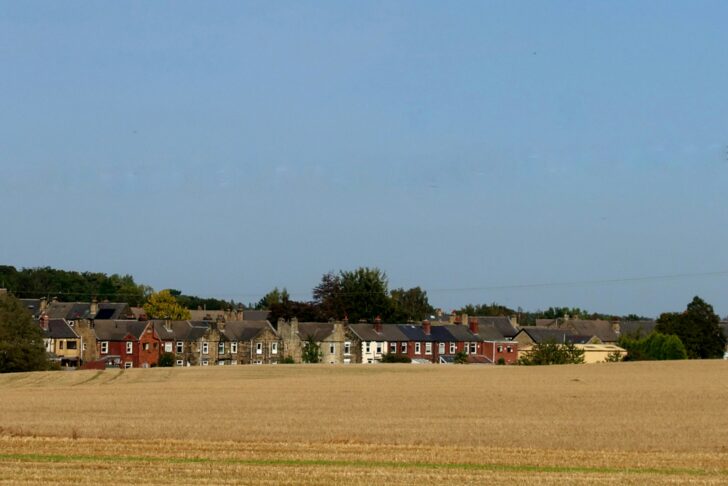
In March, one of the most significant planning bills in a generation was introduced to Parliament: the Planning and Infrastructure Bill (PIB). It quickly became a cornerstone of our campaigning, as we worked with supporters, peers and political representatives to make sure it delivered for the countryside.
The Bill reflected Labour’s drive to speed up housebuilding, often framed in ways that falsely pitted nature against new homes. Ministers repeatedly suggested environmental protections were to blame for delays, despite wildlife being deeply threatened and cherished by the public.
We argued that the real solution to the housing crisis lies in delivering the genuinely affordable homes people need, protecting local voices in planning decisions, and using land more sustainably. After the Bill passed its committee stage, we renewed calls for a brownfield-first approach, stronger affordable housing delivery, and safeguards for local planning democracy.
While peers backed amendments to create a fairer, more sustainable system, the government ultimately instructed MPs to overturn them. Now, after nine months, the Bill has become law.
There is some good news: we welcome new strategic planning across wider areas. But we remain opposed to decision-making being centralised and to approaches that allow nature to be damaged locally and simply ‘made up for’ elsewhere. Our campaigning continues to prioritise brownfield land, defend landscape and nature protections, and ensure communities retain a meaningful voice in shaping development.
A plan for sustainable land use
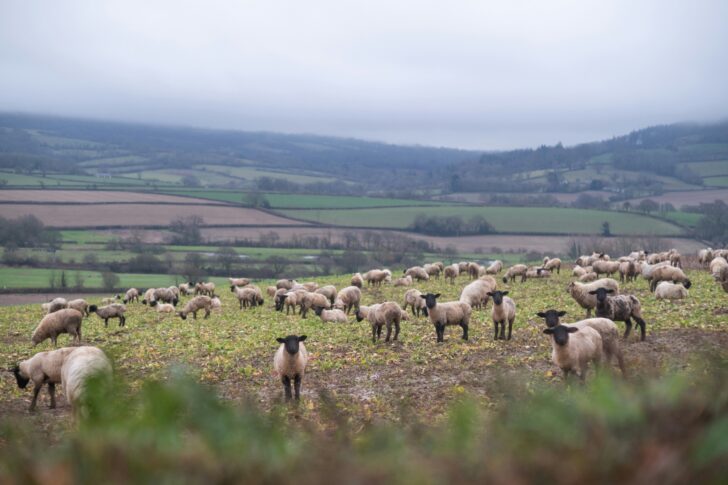
The countryside faces pressure from all angles. From growing food to supporting nature, and building homes and infrastructure, we’re asking so much of our finite land. There are external pressures too – nature is declining, and climate change threatens to change landscapes forever.
Without a proper joined up plan across sectors – from food to housing, nature and energy – decisions about land use could result in loss of countryside and nature alongside risks to food security. That’s why we’ve long called a Land Use Framework, which has been delayed repeatedly and now expected in 2026.
In April, we responded to the government’s consultation, calling for it to shape sustainable development, champion building on brownfield first, and protect the countryside and urban fringe. A few months later, we released our regular ‘state of brownfield’ report, which showed that there’s enough brownfield to build 1.4m homes – over half of which could be built on rapidly.
If the government is serious about brownfield-first, this must be backed by clear targets and investment in genuinely affordable and social homes. Expensive, car-dependent developments in the countryside won’t solve the housing crisis; revitalising towns and cities will.
Green Belt and urban fringe
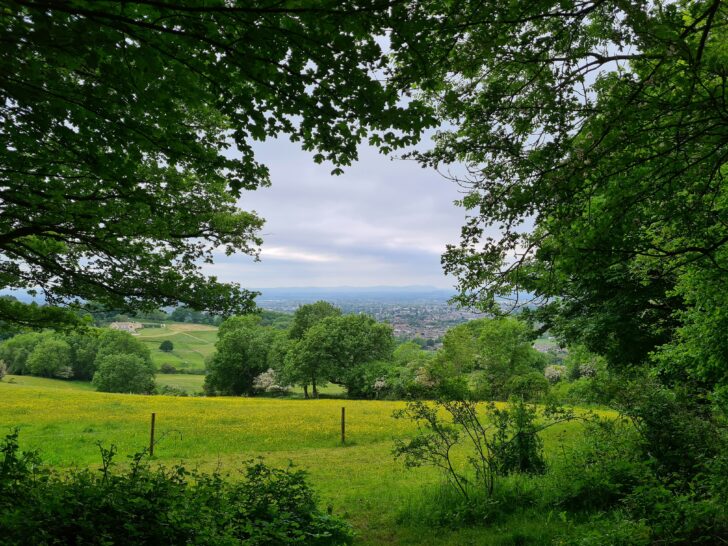
Staying with the urban fringe – the countryside and green spaces on the edges of towns and cities – we released a report in March which showed how important these spaces really are. The report, named ‘Farming on the Edge‘, showed that we’ve lost 1,700 farms in the urban fringe since 2010, despite these farms are critical producers of staple foods, from cereals to potatoes.
We warned that the government should better support urban fringe farmers by releasing the Land Use Framework, and providing farmers with much-needed support to feed people while managing their farms sustainably.
The Green Belt – protected areas of countryside around towns and cities – also came under further threat following the government’s ‘grey belt’ policy, introduced in the National Planning Policy Framework. While billed to release ‘low quality’ areas of Green Belt for housing, evidence shows that most planned housing developments using this policy are actually on unspoilt countryside – as we predicted.
We supported CPRE Hertfordshire’s petition to change the ‘grey belt’ definition, to change the definition of grey belt so development could only take place on previously developed land, but the government refused. Once again, we argued that the real answer lies in ambitious targets for affordable and social housing, not sacrificing countryside for high-cost homes.
Connecting people and countryside
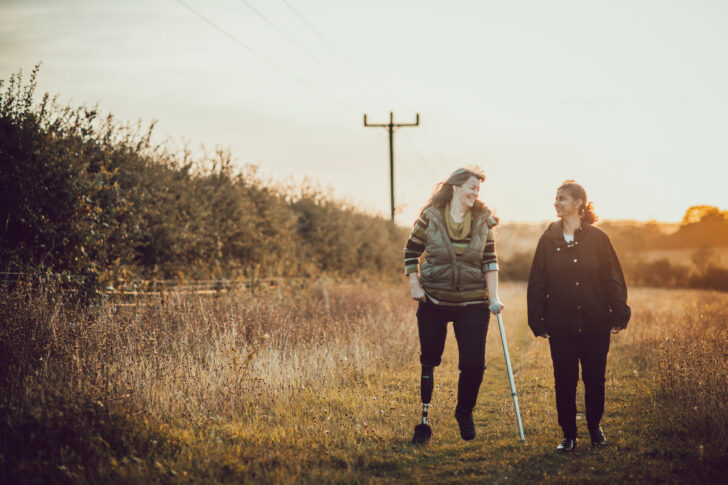
Our local groups power our movement, and it’s impossible to do justice here to everything they’ve achieved. Look out for a dedicated feature in the new year celebrating their work.
That said – we had to mention Hedgerow Heroes, which is now in its fifth year – with 13 groups taking part. This autumn and winter, they’ve been working with landowners, schools, farmers, partners, organisations, other charities and communities to plant and restore hedgerows in the countryside. Hedgerows support wildlife, stabilise soils, help prevent flooding, absorb carbon and even protect against extreme weather. We’re proud to be on track to restore or plant 100 miles by the end of 2026.
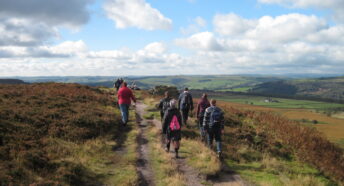
We also celenbrated our second annual Countryside Day – a chance to pause, appreciate, and protect the green spaces that bring us joy, support biodiversity, and connect communities. From beautiful walks, workshops, farm visits or developing rural and bushcraft skills, six local groups worked hard to deliver a rich, exciting series of events.
A voice for the countryside at the party conferences
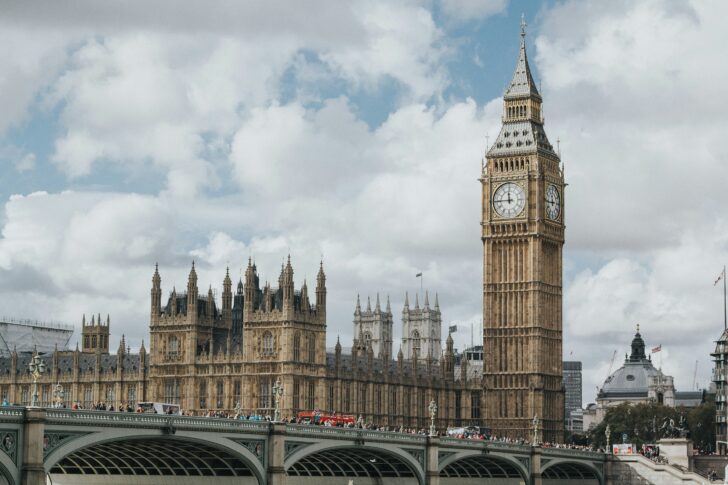
We attended all major party conferences in 2025 to keep countryside issues high on the political agenda. We hosted and join events on rural policy, land use, planning, climate and nature, working with MPs, partners and allies. From Labour to Conservatives, Lib Dems, Greens and Reform, we’ve championed better land use, rural affordable housing, strong local democracy and nature protection. We’ll continue to make sure the countryside – and the people who live in it – stay at the heart of the political conversation
A landmark year ahead
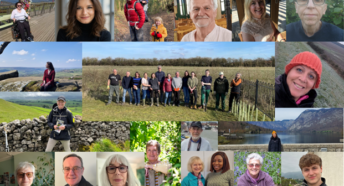
We couldn’t possibly fit in all the things we’ve achieved this year in one article. But we hope you’ve enjoyed reading about the impact you’ve helped us to make. If you want to find out more, just head over to our news pages. In the meantime, we’d like to thank our local groups, supporters, volunteers, colleagues, partners and funders for another year of standing up for the countryside with us.
There are challenges ahead, but together we can help to protect and regenerate it for future generations. If you want to support us, please consider becoming a member or making a donation. We know times are tough, and even joining our mailing list (scroll down to bottom of page) can make a difference.
As soon as the new year starts we’ll be preparing our response to a new consultation on the National Planning Policy Framework, which was drafted and published in December. Our earliest impressions were that there was a lot to welcome, but that the brownfield-first spirit needed teeth in the form of targets. This was particularly important to raise, given that speculative development continues to threaten huge areas of the countryside.
Finally, we hope you’ll join us for a year of celebration and action as we celebrate our centenary and 100 years of standing up for the countryside.