


How campaigners helped turn the tide for Halvergate Marshes
As part of our centenary year, we’re revisiting the campaigns that helped shape the countryside we know today.
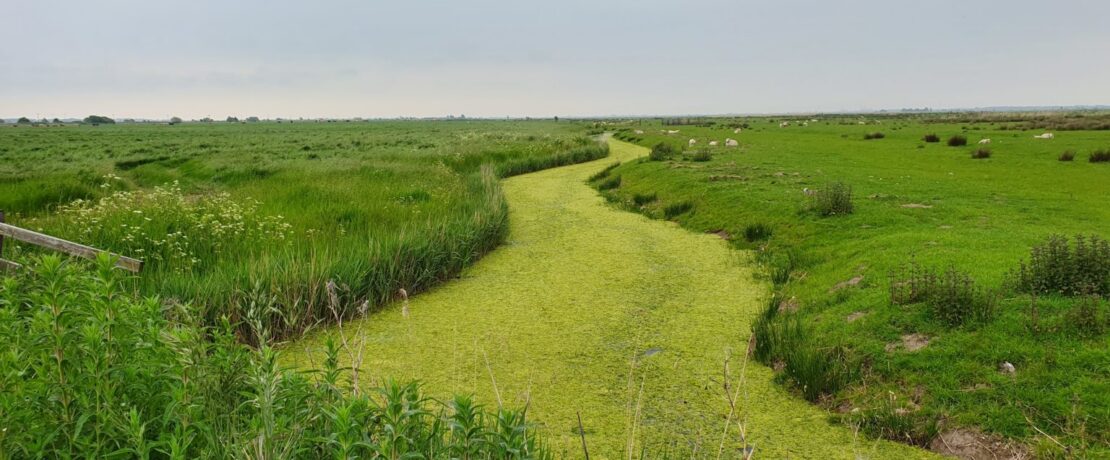
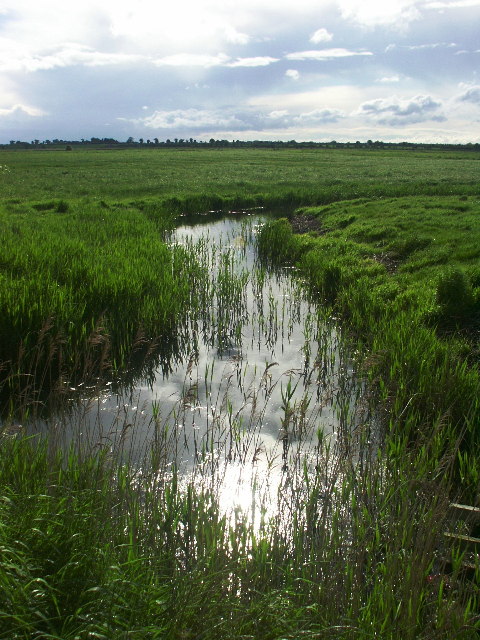
In the south-eastern corner of Norfolk lies its largest area of grazing marsh, covering over five square miles. Bounded by the River Yare and Breydon Water – and now part of the Norfolk Broads National Park – Halvergate Marshes feel timeless. But the landscape we recognise today is the product of human intervention: once an estuary and tidal creek, it took its current form after Dutch engineers drained the area in the 17th century, creating the grazing marsh as we know it.
And like many landscapes shaped by people, it didn’t stay ‘safe’ for long.
‘Arablisation’ by incentive, not accident
By the early 1980s, the marsh was under threat from creeping ‘arablisation’ (conversion to arable) – the draining of wet grassland and conversion to arable land. The driving force wasn’t subtle: incentives under the European Community’s Common Agricultural Policy (CAP) directly encouraged further drainage and conversion.
Not all farmers were in favour. Conservationists certainly were not. A controversy played out in the local media and across the county. And the wider question hung in the air: what happens when policy makes the wrong thing profitable?
CPRE steps in nationally and locally
CPRE became involved both nationally and through the CPRE Norfolk’s local branch at the time (then known as The Norfolk Society). Following a visit to the marsh by CPRE’s National Chair, Christopher Hall, Norfolk’s County Chair, E. W. Young and one of The Norfolk Society’s lead campaigners, Jock Raffe, it was agreed CPRE would work to save the marshes and highlight the many benefits they brought to the local community.
CPRE penned a letter to the ‘Eastern Daily Press’ setting out the reasons for maintaining the marshland in its existing form – not as a nostalgic preference, but because grazing marsh matters: for wildlife, for landscape, and for the long-term health of the Broads.
When the odds feel stacked against protection
At the time, the scales seemed weighted against the marshes. Farmers were offered grants — even though conversion would contribute to over-production of cereals. One local family farmer in Norfolk put it bluntly:
‘The government puts money on the table and invites me to take it. What do you expect me to do?’
Meanwhile, the government was not heeding calls for a public inquiry into the ploughing and drainage proposals, and other grazing marsh schemes were also underway to change the nature of the land.
The turning point: paying for protection, not destruction
What did happen, slowly, and then unmistakably, was that sustained campaigning by CPRE raised awareness about the potential for environmental damage. CAP incentives increasingly came to be seen as unsustainable. Over time we saw a reversal: from schemes that paid farmers to uproot hedgerows and drain wetlands, to ones where farmers were rewarded for a more nature-friendly approach.
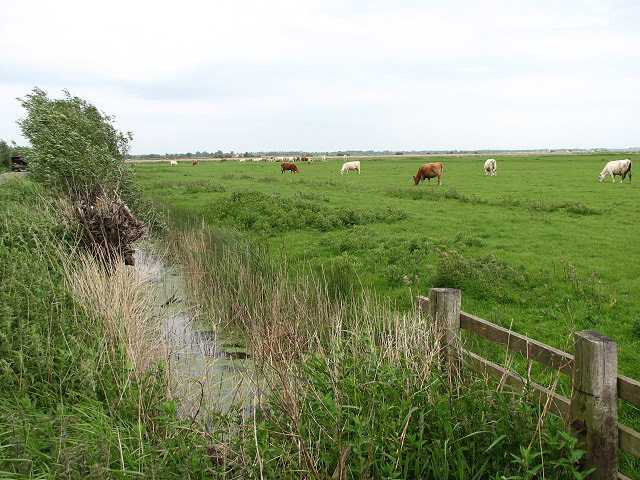
The campaign around Halvergate Marshes is often seen as a turning point in that shift. In 1985, the Department of the Environment’s Countryside Minister, William Waldegrave (a dairy farmer himself), helped launch the pioneering Broads Grazing Marshes Conservation Scheme. The scheme encouraged farmers to maintain grazing marsh for the benefit of wildlife, landscape and the wider environment, and it proved that countryside protection could be practical, not just idealistic.
With the area recognised and supported through these conservation measures, Halvergate was saved from wholesale conversion.
Elsewhere in the county, some areas of marsh that fell under the plough later became increasingly difficult to sustain due to flooding, a reminder that draining wet land rarely ends well.
What Halvergate can teach us
Campaigning didn’t stop with Halvergate. It continued against the blight of monoculture, reliant on heavy doses of nitrogen fertiliser, causing untold environmental damage – pressures we still see today.
But Halvergate did leave a legacy: it helped lay foundations for stewardship-style approaches which, with appropriate support and funding, can protect our countryside. It’s with stewardship in mind that CPRE has been marking its centenary year; standing up for the countryside for the past 100 years and for the next century. This principle, that good land management should be properly supported — remains one of the most important tools we have.
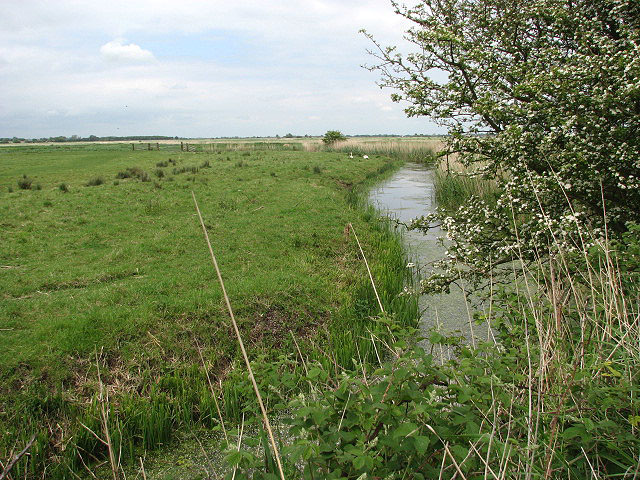
And it matters now – at the pivotal juncture of CPRE’s centenary — because the East of England is once again under intense pressure from major land-use change. The details differ, but the lesson from Halvergate remains the same.
Halvergate Marshes today
Lastly, it’s worth describing Halvergate Marshes today, because this isn’t only a story about the past. Our centenary and plans to safeguard the countryside for future generations prove that. The defining features are still there: openness, big skies, long views, and a sense of space that’s increasingly rare.
The marshes remain a working landscape, grazing land, watercourses and dykes, and it’s precisely that balance that supports wildlife and gives the area its distinctive character. For people who live nearby, or visit as part of the Broads, the appeal is often in the small, everyday experiences: a quiet path beside a dyke, birds moving over the grassland, and the feeling that this is a landscape shaped by water as much as by people.
As CPRE marks its centenary, stories like Halvergate remind us what’s possible when people come together to protect the countryside – and why that work still matters today.
Editor: Lisa Ashbury