


How volunteers are saving the River Wye with citizen science
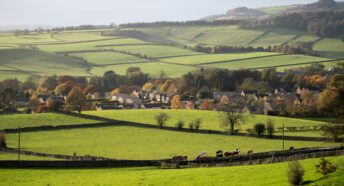
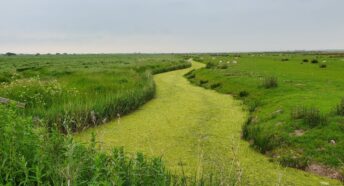
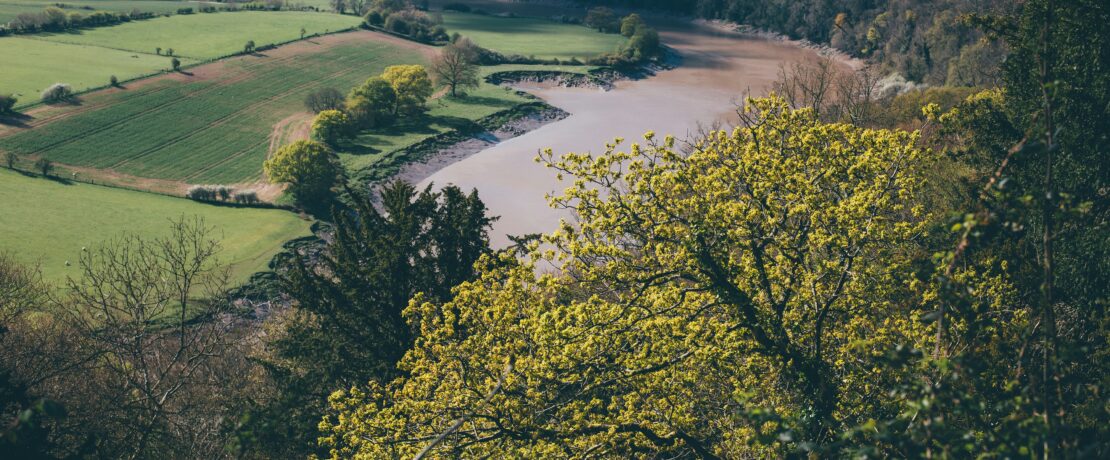
Rising in the Welsh mountains, the River Wye Catchment passes through Herefordshire, before crossing back into Wales at Monmouth, and reaching the sea at Chepstow. It is one of the most iconic water catchments in Europe. But today it is facing devastation from multiples sources of pollution — highlighting the urgent need for action, as seen in campaigns like Clean Water Now, which CPRE is actively supporting.
This is the story of how CPRE volunteers and the local community are taking action to save the River Wye, using citizen science to gather the evidence needed to restore the river’s health.
CPRE Herefordshire has long called on the Environment Agency (EA) to publish an action plan to tackle pollution and return the River Wye Catchment to good ecological and environmental health.
But with time fast running out, CPRE Herefordshire took the initiative and formed the CPRE Citizen Science movement to provide the data and insights needed for more rapid action to be taken.
The beginnings of a movement of citizen scientists
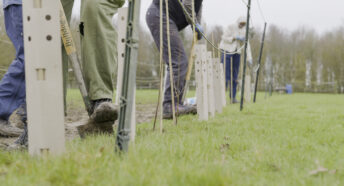
CPRE Herefordshire recruited over 500 volunteers and worked with other organisations in the area, forming the Wye Alliance.
Under guidance from Cardiff University and the Environment Agency, the project was planned to ensure all volunteers used the same equipment, conducted the same tests and entered data in a cloud-based system for effective analysis and presentation.
From small acorns mighty oaks grow and the project has created the largest and most comprehensive data set of any river catchment in England. At the start of this year, the 50,000th water sample was taken and now all of the data is available on the Wye Viz website.
The data gathered by the volunteers has now been used by the Environment Agency for their reports and is influencing all the major water plans in the catchment, shaping how pollution is addressed and hopefully stopped.
Meanwhile, the River Wye Catchment is serviced by Welsh Water, the only not-for-profit water provider in England. Continued investment has driven year-on-year reductions in pollution, with its share of overall pollution in the catchment now approaching single digits.
While this shows progress, there remains complex agricultural issues that highlight the need for systems change across the board as voluntary actions are having no effect.
Advocating for solutions that protect the River Wye Catchment
Effective regulation and enforcement and the appropriate incentives are critical to ensuring agriculture and land use change happens in an economic and timely way.
Designed in the right way, this can produce the best outcomes of pollution reduction through accountability, regular monitoring, and reporting.
CPRE Herefordshire continues to advocate for solutions that protect the River Wye Catchment through the Wye Catchment Partnership and the Nutrient Management Board which is helping engage ministers in England and Wales.
In future, it is hoped the promised new Water Regulator will start to address the issues that CPRE Herefordshire’s evidence and data has highlighted.
And since the Costa Beck case, which saw a group or fishermen win a legal battle over river pollution in Pickering, there is a greater expectation on regulators to set out clear, credible actions showing how rivers will achieve good ecological and chemical health under River Basin Management Plans.
Attention now turns to the government to ensure proposed changes to the water industry ensure that leaders are more accountable and outcomes are measured in a transparent way.
Helping to deliver real change and a healthier future for the River Wye
What has been achieved in the River Wye Catchment over the past five years is a clear example of what sustained local effort can deliver. Volunteers have created a robust and trusted evidence base, significantly improving understanding of when and where pollution is occurring.
This has supported better regulation, informed policy discussions, and ensured that decisions are increasingly grounded in consistent, accessible data.
There is still more to do, but the direction of travel is clearer than it was. By continuing to work with partners, communities and decision-makers, CPRE Herefordshire will continue to help ensure that this evidence leads to practical changes on the ground, supporting a healthier future for the River Wye the people and wildlife that depend on it.