

Whirlow Hall Farm Trust
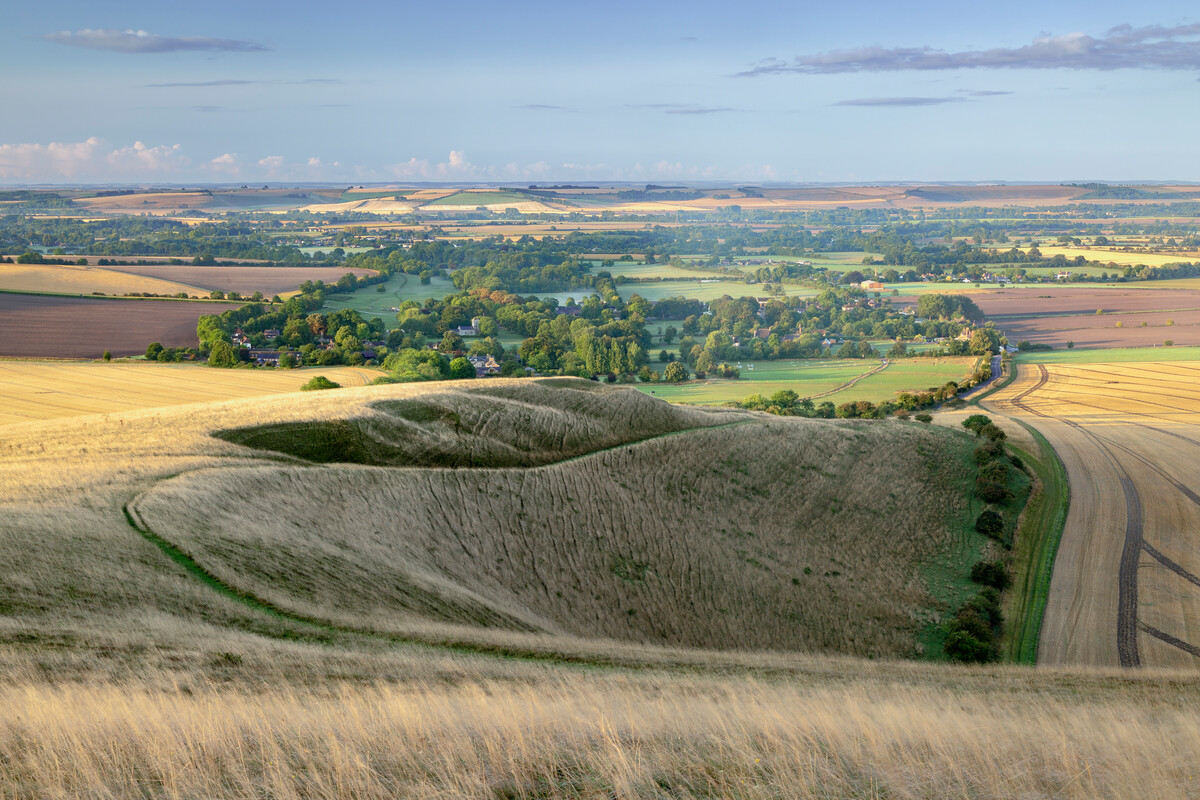
Whirlow Hall farm sits at the end of a narrow road that heads off from a leafy Sheffield suburb, opening out into lovely countryside in the city’s Green Belt and the very edge of the stunning Peak District National Park.
I met Whirlow Hall Farm Trust CEO, Ben Davies, and farm manager, Ashley Malia, on a wet summer’s day in the café at the farm, next door to the shop. The farm now belongs to Sheffield City Council. In 1979, with help from local businessman Alan Aitken, the charity founder Michael Hill secured it on a long-term lease to fulfil his vision of providing a dedicated site for on-farm learning for troubled children.
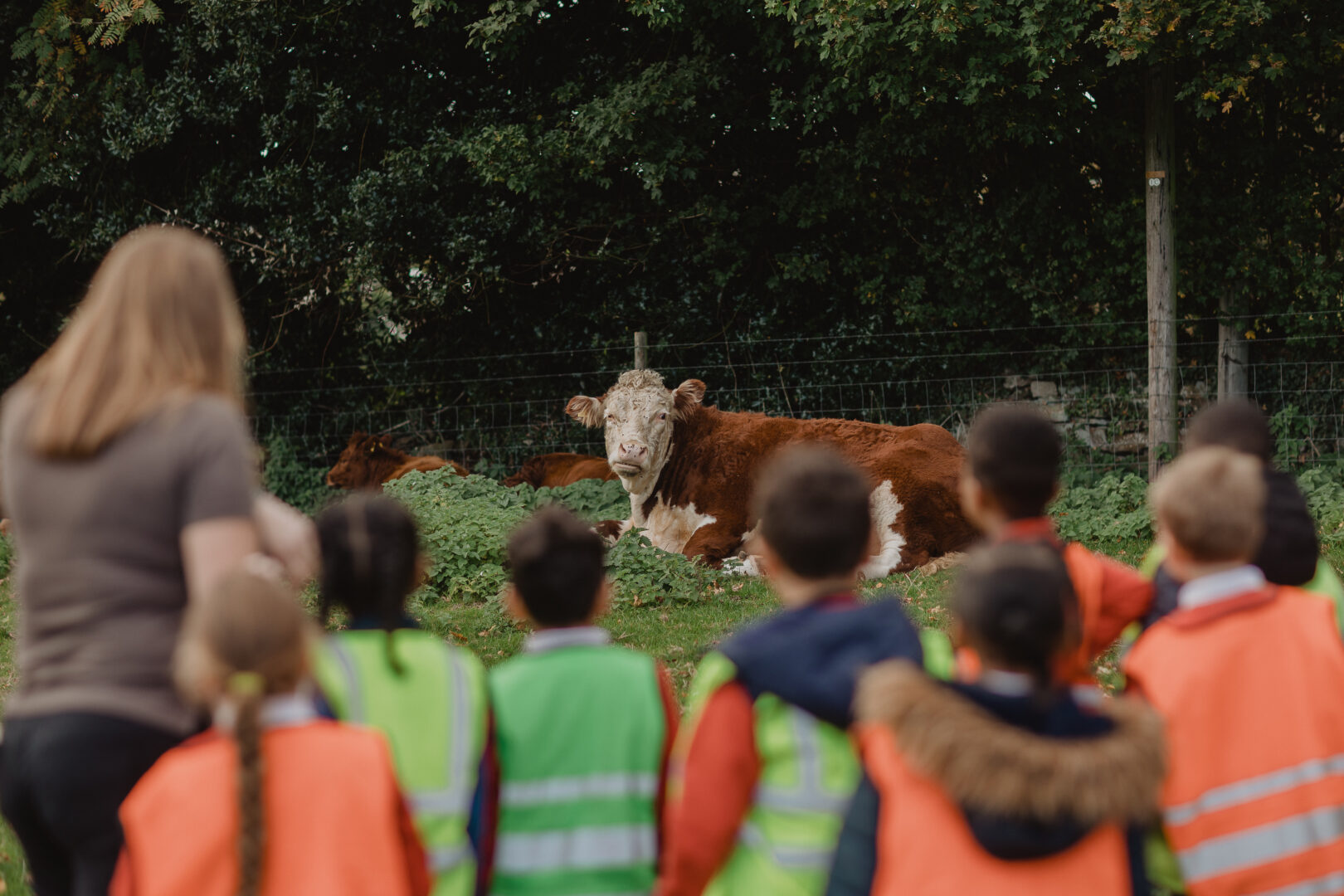
Ben explains that Whirlow is ‘an educational charity first and foremost, and the farm is really a vehicle for helping us do that educational stuff.’ The charity has offered educational visits for local primary children from the outset. Ben adds: ‘They’ll stay overnight. For a lot of them, this is a first night away from home and in the countryside.’
Ten years ago, the charity refocused its work on older children struggling in mainstream education. It also began supporting young adults with additional needs. This focus helps them build social and life skills. Now, the charity provides over 12,000 on-farm student days each year through visits and longer-term placements. For many young people, this experience is transformational. They receive highly supported learning in a dedicated space. They also gain access to the animals and the farm for hands-on learning. These opportunities help them build confidence, develop skills, and prepare for work.
A farm steeped in history
The farm has ancient roots in a nearby Roman farmstead. Its name comes from a cruck hall once on the site – a medieval building formed by massive oak trunks. Older buildings have been converted to create the shop, café (once the stables) and a teaching kitchen (part of the cruck hall barn). Two dedicated educational resource centres have been built too. Various buildings, including the lambing shed, double as venues for events such as weddings, barn dances and farm tours. A new vineyard now produces 3-6,000 bottles of wine a year. The traditional orchard holds 50 varieties of fruit and is used for cider-making; both are run by volunteers. The wine and cider sell in the farm shop alongside honey from the bees of a local keeper; the farm hosts the beekeeper’s hives. These products generate valuable income to support the charity and the farm.
Farming for the future
The farming at Whirlow continues to evolve too. Though modest in size at 135 acres, it once operated intensively. The farm had a dairy herd, a large flock of sheep, and up to 300 indoor pigs. Ashley, originally from inner-city Sheffield, is taking it in a different direction. A visit to Carbon Calling, inspired him to try out new practices; chemical sprays, fertilisers and concentrated feed are out. He has planted herbal leys, a diverse mix of plants and grasses, to improve animal nutrition and restore soil life. Ashley also introduced Highland and Dexter cattle, which thrive on pasture and endure British winters. This reduces overwintering costs like straw and feed. He now uses mob grazing, moving electric fencing every day or two to manage pasture use. The animals graze intensively before moving to fresh pasture. Grazed areas recover faster, and trampled grass helps build soil carbon. The cattle and sheep provide a regular supply of meat to the shop and café.
It’s still trial and error to find what works best on this farm, but Ash is already seeing the benefits: feed and fertiliser costs are way down and red clover has sprung up from the natural seed bed in fields where it vanished long ago, now pumping nitrogen into the soil. Hares are back in abundance with rare curlews. Testing shows soils are already improving after just a couple of years. There is more organic matter and carbon in the soil – which the farm can sell on carbon markets – and the land no longer needs liming to reduce its acidity (i).
Challenges remain, such as occasional conflict with dogs and their walkers. However, the farm is open-minded about access and dialogue has brought positive change: local people understand the risks to livestock from dogs better, and some now help patrol the paths.
Ash has signed up to government schemes to support hay-making, the herbal leys and hedgerows. He’d like to plant more new hedges to provide shelter for his animals and wildlife, if grants become available. The farm has solar panels and although Ben would like to make use of even more green energy, upfront costs are often high.
Connecting people and countryside
Visiting Whirlow is a fascinating experience. As Ash says of his friends – they can’t believe the farm is there. The location feels beautifully secluded and yet is so close to a major city. The farm is a vibrant and welcoming place. It provides access to the Peaks, local countryside and nature, fresh local food and farm experiences. It’s undoubtedly different from many farms nowadays, which raise a narrow selection of crops or animals, are worked by far fewer people and much less connected to the people they feed.
It’s a working farm, but one motivated by wider objectives and managed with real skill and passion by Ash, with Ben’s support. Ash himself is a living example of the transformative power of the farm and the Trust – he too was an inner-city boy, now an inspired and inspiring farmer.
One thing stands out clearly: although small, Whirlow Hall farm and Trust enriches the area in so many ways. It’s a powerful example of how farms – while producing wholesome and vital food – can contribute much more in multiple ways to the health of local people, local jobs and the countryside.
Endnotes
(i) Lime is added to soils which may been made more acid by addition of synthetic nitrate fertilisers; lime is calcium carbonate which when added to soils releases carbon to the atmosphere