


Future Rural book reviews – by Online Campaign Activists
‘Future Rural’ gathers together a powerful chorus of diverse voices—writers, farmers, activists, ecologists, and thinkers – and asks them to interrogate the past and present in order to imagine what lies ahead for Britain’s rural landscapes and communities. Our Online Campaign Activists volunteers shared their reflections on the book through a series of reviews.
To Speak the language of the Soil – Jade Cuttle
Review by Julian Selman
The chapter starts with discovering finds in the soil, the hobby immortalised in the endearing BBC series ‘The Detectorists’. This activity is a quest for what lies beneath the surface. Unlike the TV series, however, this chapter is about a group of women, engaged in the search for hidden treasures, the ‘Sassy Searchers’.
Jade (the author) reveals how the soil calls to her and she is fascinated by everything that she digs up, not just the highly prized silver and gold objects. She talks of ‘silted whispers’ – the stories from our past that inhabit the earth beneath our feet. Also, these stories can be found in all sorts of ‘unearthly places’ like carparks and laybys. ‘Beyond the finds’, Jade asks, ‘Why not ask about the soil itself?’, the ‘flesh’ that is teeming with life. The narrative turns to a celebration of the medium of soil and the life within it. The soil has become Jade’s companion, and it grounds her in a way that heals and reconnects.
The idea of ‘the memory of water’ although discredited scientifically, provides a metaphor for the layers of history and meaning within the soil. This leads us to the language of the soil, within which growth happens and plants communicate. Soil is a resource to be cherished, and within it past, present and future merge into each other. Soil is very much an entity that is enigmatic but also has a lot to tell us. We should listen to it and learn its secrets.
Wilding our Way – Isabella Tree
Review by Julia Tester
5 stars for this uplifting chapter in the book ‘Future Rural’. Rich with facts relating to re-wilding in the UK; a thoroughly engaging read with a strong focus on the success of wilding at Knepp, West Sussex. It outlines how beneficial wilding can be for farming by increasing natural predators in field edges and hedges to reduce the need for harmful chemical deterrents to pests. It is a ‘good news’ read and gave me a feeling of optimism and empowerment.
What really stood out was that we can all contribute to the health of nature in our gardens, patios, verges, church grounds and how this does not take up lots of time, energy or finance. Let nature take control in sometimes small spaces for wonderful sights of butterflies, damsel flies and bees who share this planet with us and contribute to our wellbeing.
The message is really important. The mood of the writing is positive with clarity in reflections on severity of degradation of nature with potentially catastrophic outcomes. We can all play a part even if we only have a window box.
We have an organic garden with pollinators and are not plagued by pests. Insects we encourage feed on less desirable ones. We can all make a difference.
I recommend parents, teachers, farmers and local politicians to put this on their reading list. We need to band together to ensure our future generations have a beautiful world.

Where Will We Live? – Vicky Spratt
Review by Alysia Harris
This chapter discusses the rising holiday-home market in rural tourist hotspots and its housing implications for local working-class residents. Spratt expertly discusses the community impact of these homes, including the closure of schools and young families being priced out and evicted to make way for holiday lets. In the hospitality industry, workers are being bused in from different areas due to high property prices. In the low seasons, this causes hospitality establishments to close earlier because they cannot afford to keep staff late. This shows that certain areas of rural beauty are becoming tourist-only zones, with no space or planning consideration for working-class individuals and families. By drawing attention to these local issues, Spratt creates a sense of urgency around the need for rural policy intervention.
I agree with the author that more needs to be done at the governmental level to regulate the holiday home market to protect local people from eviction. More sustainable, affordable housing needs to be built, with strong government financial backing to ensure projects meet their predicted timeframes and deliver positive social and financial benefits for the community, unless we want our rural hotspots to become tourist attractions forever rather than places to live. I would recommend this chapter to anyone interested in the unique social, economic and environmental impact that the holiday home market is having on the working population.
In Defence of Scrub – Guy Shrubsole
Review by Juliette Martin

‘In Defence of Scrub’ was a thought-provoking essay on how the public perceives scrub as a symbol of ruin and underdevelopment, which has made it harder for scrub to be recognised and protected as a valuable habitat. This chapter and the subject it treated were striking examples of how cultural biases and the media we consume can determine the value of different ecosystems based on how well they fit with our appeal for order, direct usefulness, and aesthetics. This, in turn, determines what gets prioritised and what we accept to destroy. For instance, Shrubsole discusses how scrub has become synonymous with ruin. This is because scrub is one of the first steps in nature reclamation, proliferating in recently abandoned areas. This association with failed endeavors and underdevelopment is why policy has long overlooked the protection of scrub.
The chapter reminds us that public and political decisions about conservation should be informed by scientific evidence rather than assumptions about what a landscape ought to look like. As a biology student, I often study cases of ecological management where biodiversity hotspots were cleared because decision makers didn’t realize that healthy habitats don’t always look like huge forests with lush green leaves. Yet, these ‘unconventional’ habitats, like scrub, help mitigate climate change, natural disasters, and food insecurity. This chapter clearly demonstrates to all audiences that true restoration and effective activism must be preceded by scientific understanding and respect for nature in any form it may take.
Flapjacks Permitted – Mary-Ann Ochota
Review by Olivia Robertson
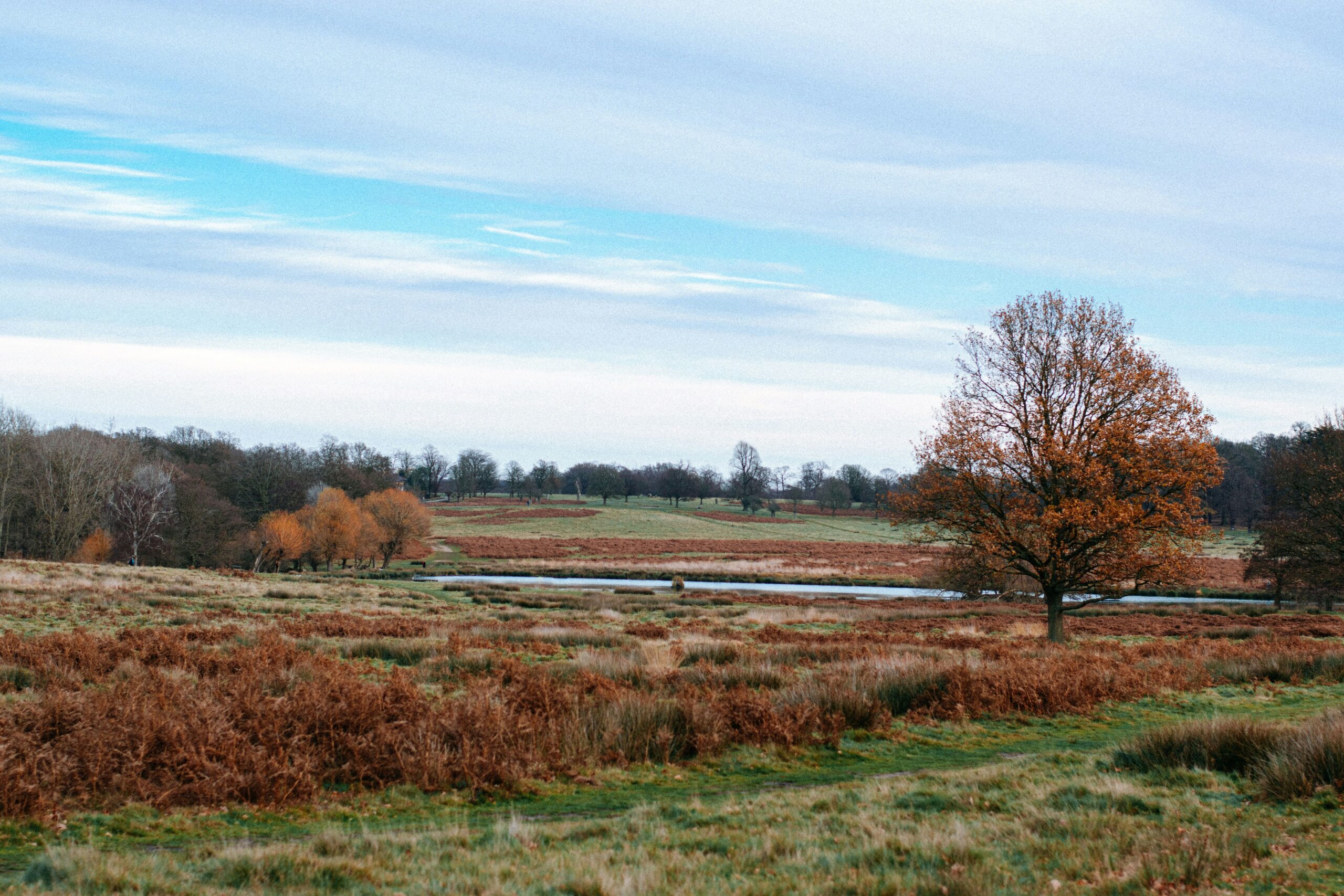
Mary-Ann Ochota writes about Ilkley Moor. As someone who has known this moor my whole life, her chapter is familiar from the start. ‘It’s been drizzling all morning’ is certainly a well-worn phrase around here; her descriptions of the damp, marked Badger Stone remind me of smoothing my own hand over the wet and stubborn rock.
What is not so familiar is the vivid picture she provides of the land’s elusive past. When considering the history of a natural landscape like this one, it is often easy to overlook the identities of the people who once inhabited it. It is one thing to imagine the hand working away at the patterns, but quite another to comprehend that those patterns may be a cast of a design that those people experienced in many varied, living ways over the course of their lives. Ochota’s descriptions of how they might have been used gave me better understanding of the kind of life and ceremony that is compressed into these ancient stones. Reading it reminds me to go out to the Badger Stone myself, maybe with a flapjack of my own, and sit with the relics of the people who, in common with me, found this landscape to be their home.
Mary-Ann Ochota writes about Ilkley Moor. She also writes about change. However much this land, our world, may shift, we are furnished with these small reminders of the stories we are left with, and she reminds us to consider our place among them.
Not Always Idyllic – Louisa Adjoa Parker
Review by Fatima Batool-Shah
This chapter is an insightful look on the realities of living in the countryside, especially for people of colour. To me, this chapter really highlights the importance of human connection to nature. Louisa talks about her childhood memories of beautiful natural landscapes and how this connection to nature perseveres to this day. Her imaginative descriptions and captivating voice transported me into these landscapes. Yet, she didn’t shy away from talking about the darker side to rural communities.
Her exploration of discrimination in the countryside connected with me personally because I have also felt an exclusion and hostility from rural places. Visiting the countryside highlighted how different I was from everyone else, purely due to the colour of my skin. I relate to this struggle and I too wish for a future where this is not the case. She also highlighted the financial inequality of the countryside. I was unaware that the majority of land was owned by the wealthy few and such little investment was given to rural public services.
I think it is crucial to be aware of the problems both facing and within rural communities, to explore how to address these problems for the future. I highly recommend this to anyone who wants a different perspective of the countryside. It highlights the unique insight of a mixed-race person living in rural countryside and addresses some of the issues with what many of us imagine to be a luxury.
Return to Utopia – JC Niala
Review by Benedict Braddock
Rightly central to JC Niala’s account of the development of, and argument for the continued value of, allotments in Return to Utopia is their capacity to mediate between apparent antitheses: urban and rural, past and future, the well-established and the emergent, solitude and togetherness. She has clearly mastered her subject, and her acutely perceptive analysis of the patterns of ‘negotiation, provision and quiet resistance’ underpinning the growth of allotments at the end of the eighteenth century offers a genuinely original and striking window onto how people in all sorts of circumstances across Britain have come together of their own accord over time, finding in the cultivation of the land the key to a better sort of life.
Niala does a good job of teasing out exactly why allotments have quietly endured over the centuries, nimbly juxtaposing historical contexts of moral improvement, economic necessity and class struggle with a fundamentally hopeful vision that allotments will continue to flourish as “utopias” – simultaneously ideal and radically undefined – for people of all backgrounds in Britain for many years to come. This is an excellent piece for readers seeking both a rigorous academic survey of an under-explored aspect of our culture and a practical guide to how we might go about restoring, as Niala concludes, “not only a direct relationship to the land, but to each other”.
Coast of Seasons Past – Natasha Carthew
Review by Eveline Vouillemin
“Mayday, Mayday”: Cornwall’s Coastal Crisis.
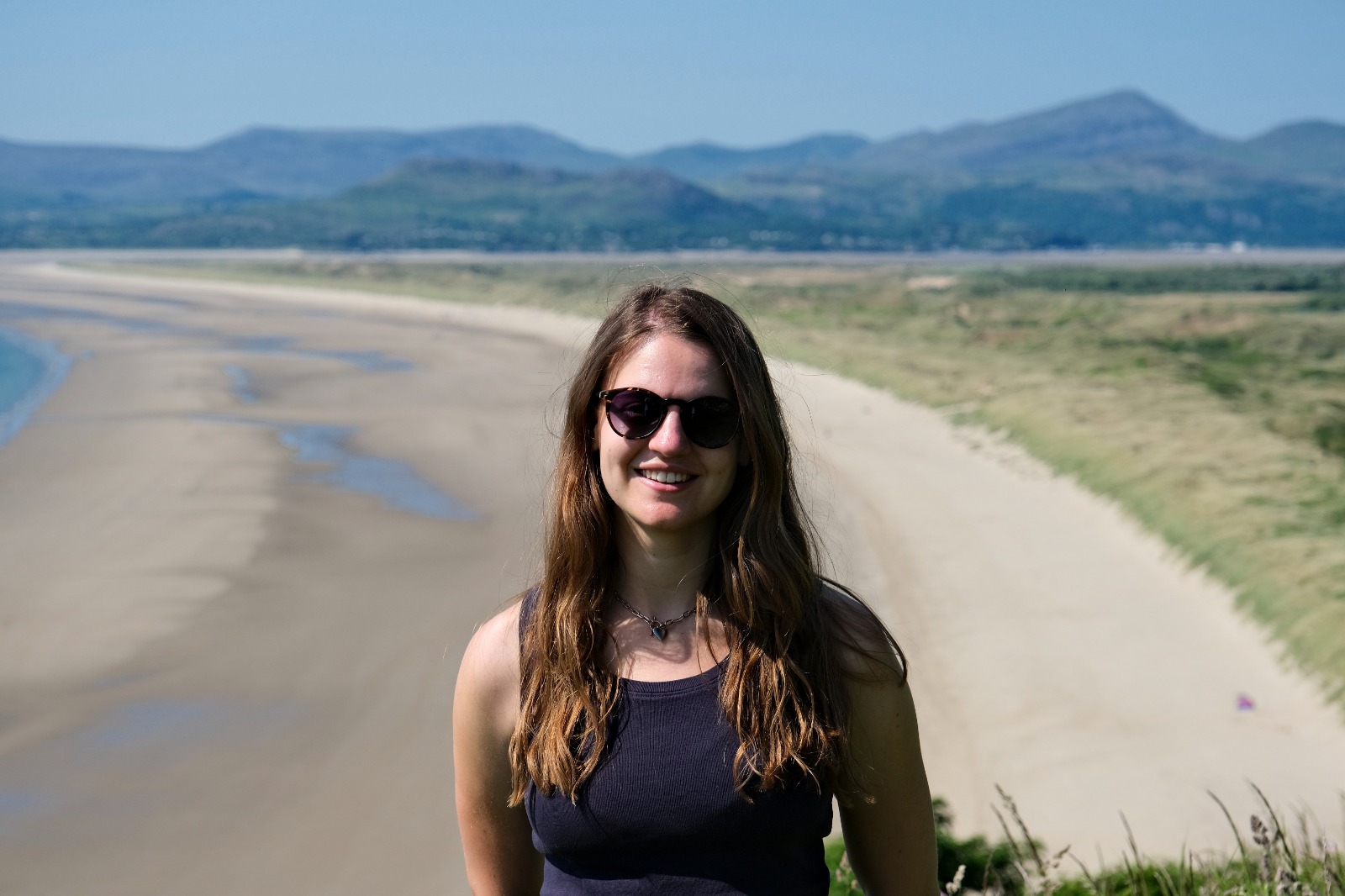
‘Coast of Seasons Past’ by Natasha Carthew lays out the multiple crises that our coastlines are facing from the impacts of climate change and polluted sea water to the rise of second homes and the dismantling of local communities.
Carthew begins by recollecting the magic of her coastal childhood and pulls you into the ‘heady trance’ of ‘sea-splashed cliffs’ and ‘golden gorse fields’. Her deeply personal and intricate love for the coast leaps off the page, and you can almost taste the salty sea breeze and feel the golden sun warming your skin.
However, we are abruptly brought crashing down to the heart-breaking reality of the coast of the present and the stark truth that ‘the very thing that draws us to the coast is vanishing’ and has been ‘changed beyond recognition’.
The needs of the coast have been too-long neglected, and the cracks are showing – lifeless dirty water, microplastic-infested shores, empty homes, and displaced locals.
Carthew challenges the outdated, ‘picture-postcard’ version of the coast, the coast of seasons past, and provides a wake-up call. We need to rethink the treatment of our coastlines and coastal communities before it is too late.
If the coast is going to continue to inspire us, sustain us, nurture us, and provide for us, we need to protect it, and locals need to be considered as a key part of a thriving coastal ecosystem. The soul of our coast is at stake and requires radical change to save it!

What Will They Want Next? – Karen Lloyd
Review by Eve Starks
‘What will they want next?’ offers a layered reflection on how people engage with nature, asking whose interests are represented in building a natural landscape. Through the lens of the South Cumbria Pine Marten Recovery Project’s work, Karen Lloyd asks what perspectives and experiences surrounding the reintroduction of just one species can tell us about our relationship with the environment more widely.
The author and I share the experience of growing up enjoying ‘wild’ spaces in the UK, only to learn as adults that those landscapes are so extensively shaped by human activity and hold limited traces of anything else. It feels obvious, once pointed out, that miles of hills with every fold and dip lain bare are almost ecologically barren. The challenge is that this image of many areas of UK countryside has been the norm for several generations, so any degree of change can be perceived as a threat to well-established perspectives, prompting the ‘aren’t things fine as they are?’ opposition that the Recovery Project – and any other rewilding effort – faces. Lloyd is emphatic that for wildlife in the Lake District to stand a chance, we must create greater opportunity for people to encounter nature there. She takes a clear stance against privileging sheep farming over steps to improve biodiversity and build a closer relationship between people and nature, leaving the reader with the sense that rewilding depends less on ecological feasibility and more on our willingness to rethink the cultural narratives attached to the land.
Renewing the Commons – Neil Sinden
Review by Charlotte Hubbard

Neil Sinden’s Renewing the Commons is an optimistic and timely exploration of how communities are rediscovering collective stewardship of land. From the Tree Musketeers in Hackney to community orchards, allotments and Community Land Trusts, the chapter illustrates how local action can strengthen both nature and society.
What stood out most was the way Sinden connects today’s community growing movements with the long history of common land and resistance to enclosure. The chapter makes a compelling case that access to land remains fundamental to community wellbeing, climate resilience and social cohesion.
Having previously worked as a specialist casework Planning Inspector dealing with commons cases, I particularly appreciated the historical discussion of common rights and their continuing relevance. However, I was less convinced by the assertion that common land is used ‘mainly for recreation.’ In my experience, commons continue to serve a much broader range of functions, including agriculture, habitat management and the exercise of registered rights. Their value lies precisely in this layering of uses rather than any single purpose.
At a time when access to land and nature feels increasingly unequal, the chapter is a useful reminder that commons are not simply relics of the past. They remain living landscapes that can support nature recovery, food growing, access and community engagement, while continuing to evolve to meet modern needs.