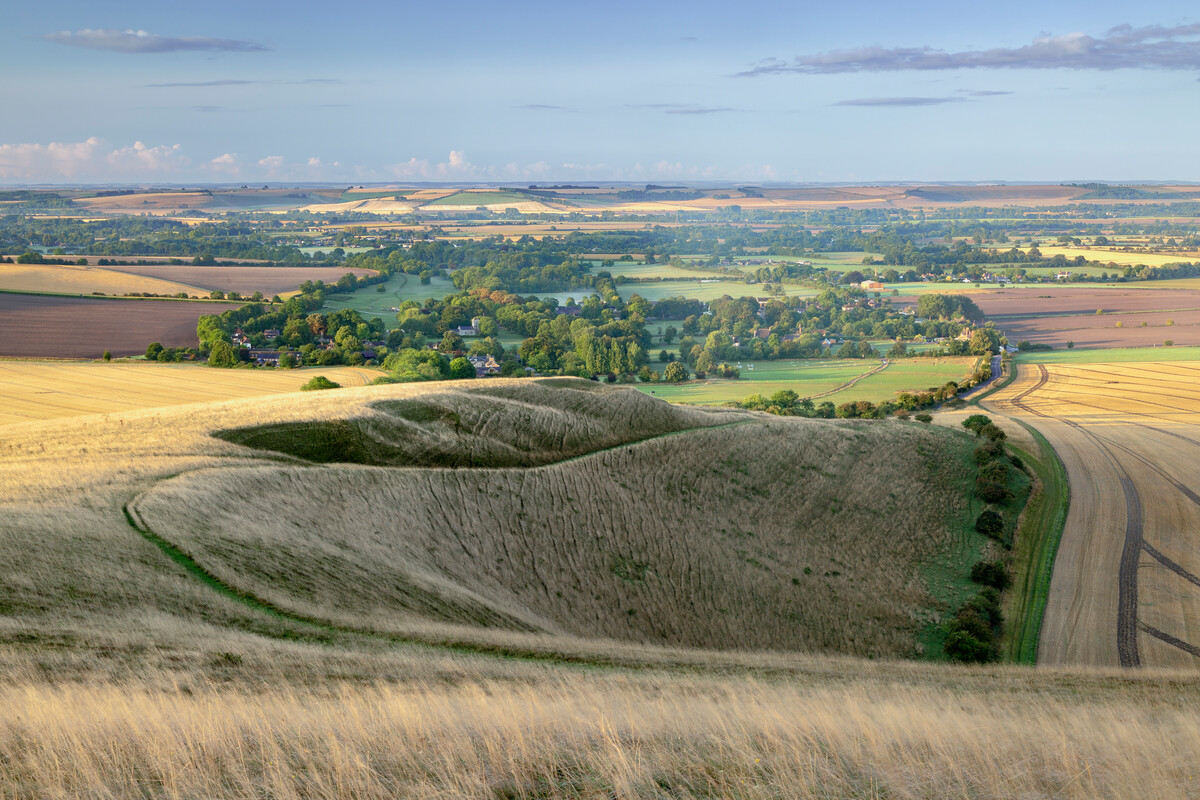


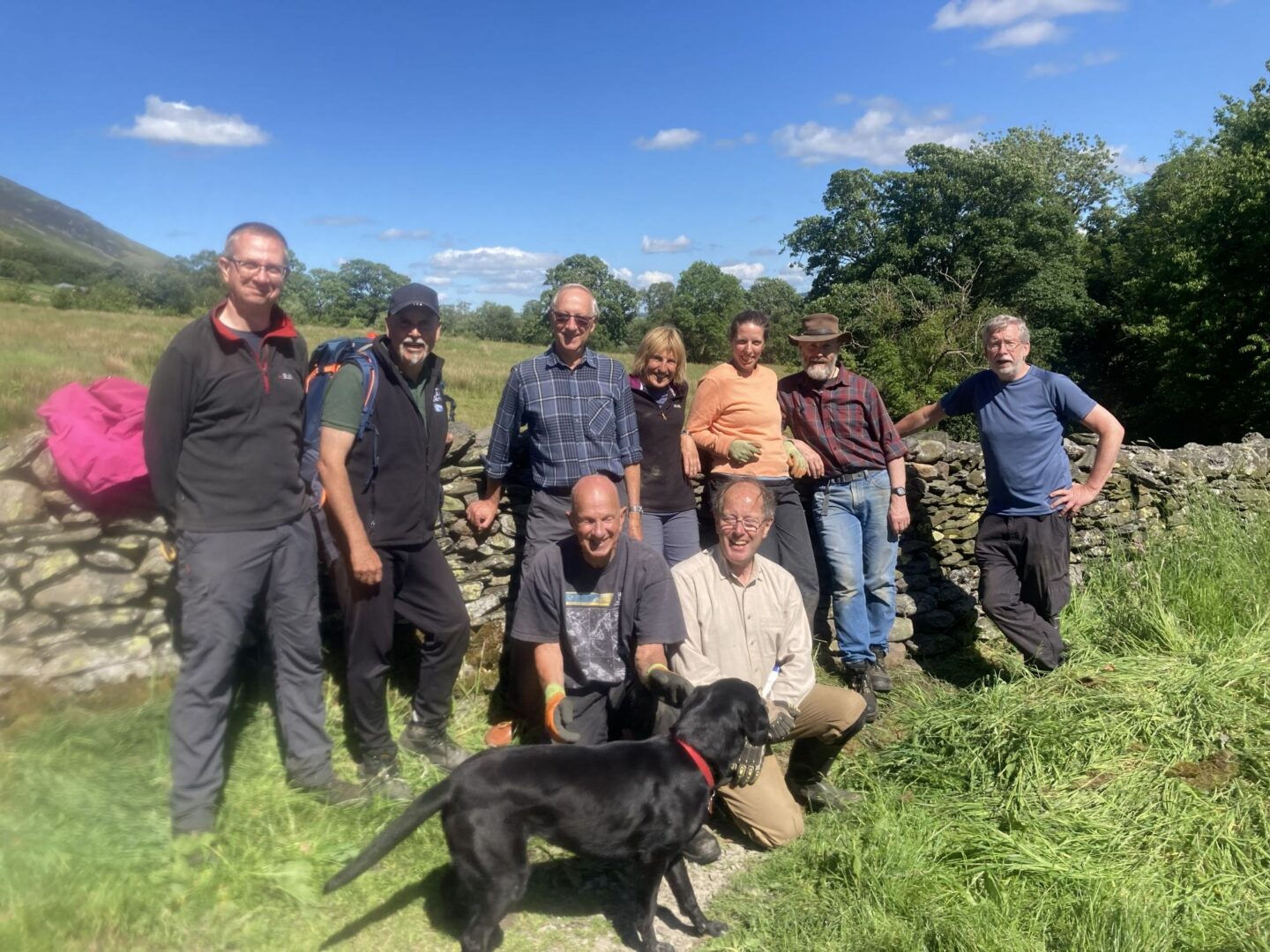

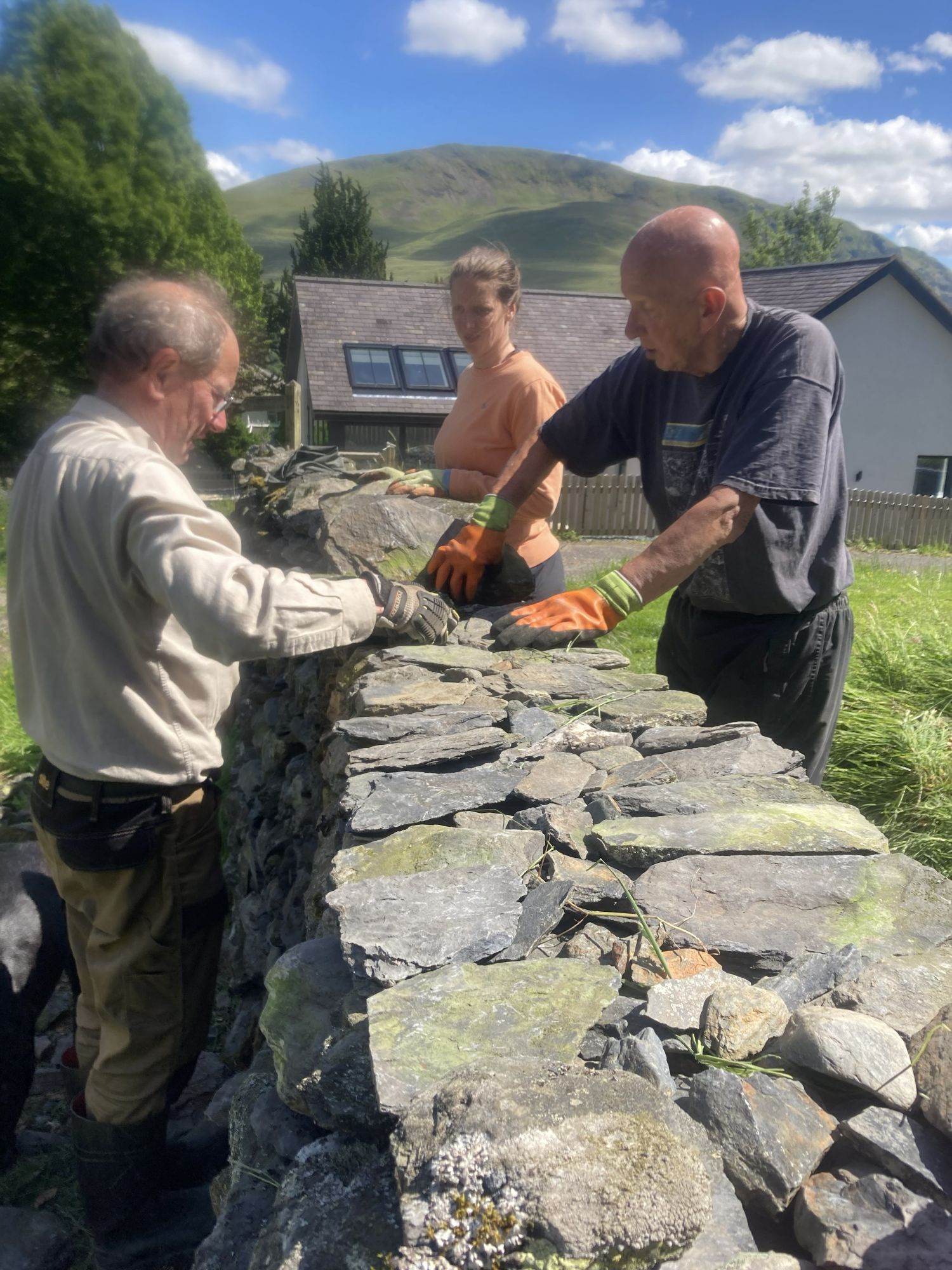
Dam Mire Wood began with a single gifted field in Threlkeld, in the North Lake District, donated by a local resident in 2021 for conservation and carbon storage. When the last undeveloped green field in the village came up for sale in 2025, threatened with development, Friends of the Lake District ran a member appeal to buy it — safeguarding 3.4 hectares as a haven for wildlife and people. Working with the local community and schoolchildren, volunteers have created 60m of new hedgerow, planted 1,000 trees, installed nesting boxes and log dams to slow flood-prone becks, and carried out ecological surveys shared with the Cumbria Biological Data Centre. New bridges and paths, costing £50,000, have opened public access for the first time, with several thousand visitors a year coming to walk, enjoy the views or simply sit in the shelter built at residents’ request. The site will soon be permanently dedicated as Open Access Land, guaranteeing public access long after the current project ends. Two open days invited the whole village to shape the site’s future, and 130 volunteer hours were given in 2025 alone, including a dedicated Property Watcher who keeps an eye on the land year-round.
Nomination details
Why this matters
Dam Mire Wood may be small at 3.4ha, but over the last 4 years we have worked hard with the local community and school children and our volunteers to transform a denuded site with no access and under threat of development into a haven of tranquillity for wildlife, nature and people. It has become a place people regularly use to sit and enjoy the views and the habitats, where local school children can access an outdoor classroom or just a place to go and have fun and explore, helping them learn about nature, our precious countryside and encourage them to become its future guardians.
Impact
- Biodiversity and climate change: New habitats and enhanced biodiversity through tree, hedge and wetland planting, and bat and bird boxes. We have achieved our aim of saving the land from development and safeguarding it for nature and people. We are sequestering more carbon and helping slow the flow of water and reduce downstream flooding.
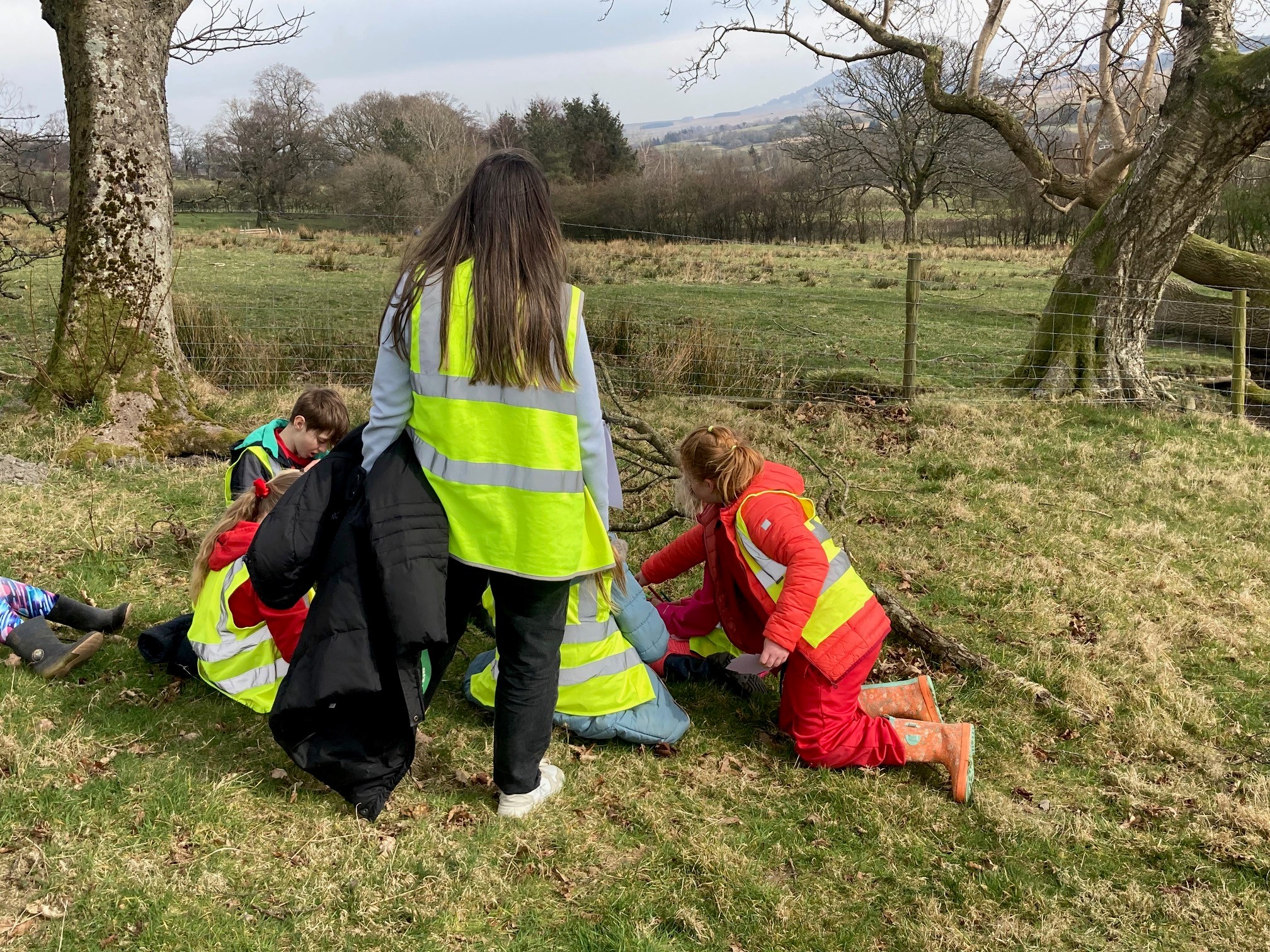
- Knowledge: New survey information gathered regarding ecology, birds, bats, tree health and safety, veteran trees. The local school children regularly use the site, most recently via our Go Wild Under the Stars project, learning about the impact of artificial lighting on the health of different species of nocturnal wildlife, and humans. The feedback from one parent was: ’My child was so excited to share what they learnt… and have become interested in night-time wildlife and we have created a ’moon meadow’. I think it’s really great that you provide these sessions, giving them an opportunity to learn about nature and develop their knowledge and love for the outdoors.’
- Access: We have installed new bridges, created a multiuser path, seating, and an informal path around the site. Our people counter records between 14 – 22 people a day visit Dam Mire, so over a year that’s several thousand people. Our surveys show that the majority access the site for a ‘walk’, for the ‘views’, ‘wildlife, peace and tranquillity’.
Inclusion and accessibility
Access is important to Friends of the Lake District. There was no previous access to this site for the public. We have spent £50,000 on two new bridges and a multiuser path to enable a range of people to be able to access the site. We have also put in an informal path around the woodland and after requests from the public added some seats and a shelter so people can sit and enjoy the views.
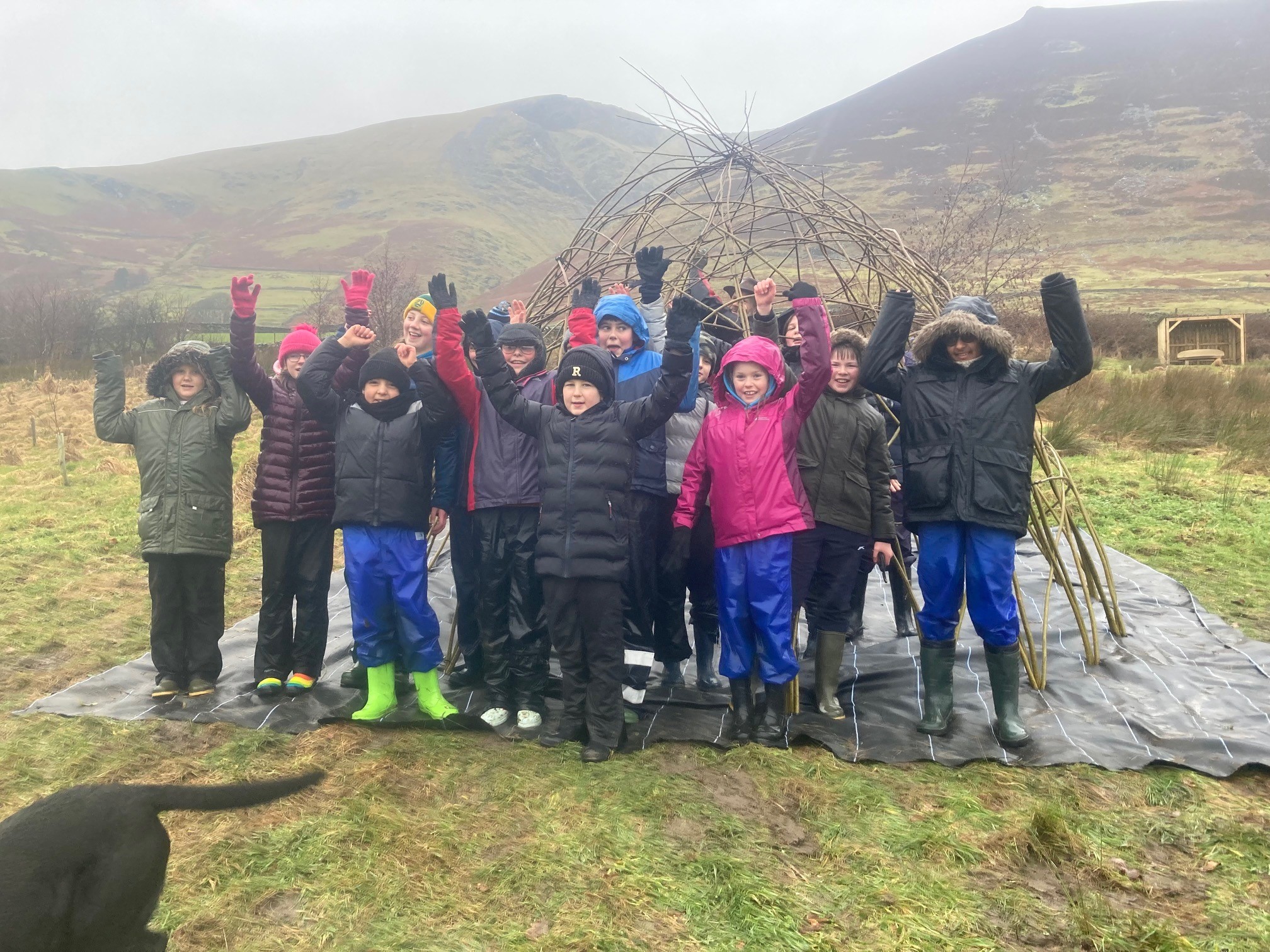
Threlkeld school children use the site for outdoor learning sessions and with them we built a willow den and have log seats they can sit on when inside. For those people who cannot physically access the site, we have created a virtual tour on our website, where they can see the work we have done and enjoy the site. Once the work is completed we will be voluntarily dedicating the site as Open Access Land under the Countryside and Rights of Way Act 2000 to ensure there is public access in perpetuity.