


After COP31, England needs a better plan for its countryside

For the first time since Copenhagen in 2009, countries left a UN climate summit without a shared deal. Faced with growing evidence of the climate crisis, governments were unable to bridge their differences over the future of fossil fuels.
COP31 in Antalya ended without agreement.
It’s deeply disappointing. But while international negotiations matter enormously, the future of our environment won’t be decided only in conference halls thousands of miles away. Many of the choices that will shape our future will be made much closer to home. They’ll be made through decisions about where we build homes, generate energy, restore nature and invest in infrastructure.
And for England’s countryside, those decisions are becoming more urgent by the day.
What a low-carbon England needs
One thing COP31 made clear is that the transition to a low-carbon economy is continuing, regardless of the outcome of any single summit. Countries, businesses and investors are moving ahead with plans to electrify transport, heating and industry. Demand for clean energy continues to grow. That will bring major changes to England.
We will need more renewable energy generation, stronger electricity networks and new infrastructure to support a modern economy. We also need new homes, affordable public transport and thriving places for people to live and work.
At the moment, too many decisions are made one development at a time. Communities are asked to respond to individual housing schemes, solar farms, substations, data centres or grid upgrades without seeing how they fit into a bigger picture. The result is often uncertainty, frustration and conflict.
The climate challenge is also a land-use challenge
Yet land is one of our most precious resources. We ask a great deal of it. It must produce food, support wildlife, reduce flood risk, store carbon, generate clean energy and provide space for homes and jobs.
As my colleague Claire Convallaria has argued, the climate challenge is also a land-use challenge. The way we manage our countryside will play a huge role in determining whether we can meet our environmental ambitions while creating a fair and prosperous future. That’s why we need a more joined-up approach.
Peatlands, woodlands, hedgerows and floodplains aren’t simply attractive features of the landscape. They help protect communities from flooding, lock away carbon and support nature’s recovery. Productive farmland underpins food security. Access to beautiful countryside improves health and wellbeing.
These benefits matter just as much as new infrastructure, and the challenge is ensuring we deliver both. At CPRE, we reject the idea that the country must choose between tackling climate change and protecting the countryside. Done well, these goals support each other.
But getting this right means making the best use of land we’ve already developed before looking to undeveloped countryside. Rooftops, warehouses, car parks and industrial estates all offer opportunities for renewable energy generation. Brownfield land can provide homes while helping to regenerate towns and cities.
The same principle should guide decisions about infrastructure. Take data centres. Demand for digital services is growing rapidly, bringing pressure for more facilities to be built quickly, and strainingly higher demand for more energy. Yet decisions about where data centres are built can have major consequences for landscapes, energy networks and local communities. They should be guided by a clear national strategy, not simply by whichever sites are easiest to connect. The same applies across the planning system.
A clear vision for the countryside
Too often, debates about housing, energy, transport and nature happen separately from one another. In reality, they’re deeply connected. Decisions in one area affect outcomes in another. Planning for the future means recognising those connections.
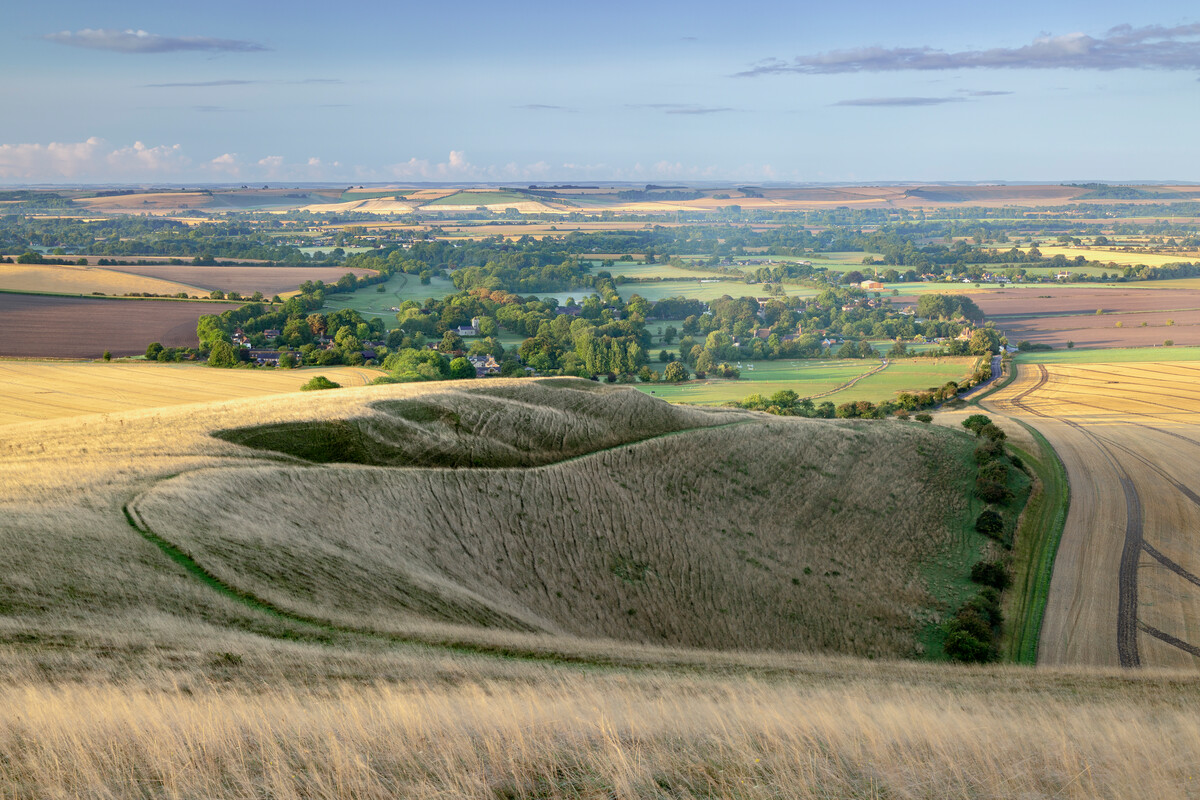
That’s why England needs a clearer vision for the countryside we need, and how land is going to be used in the decades ahead. A strategic approach would give communities greater confidence about what is planned in their area. It would help direct development towards the most suitable locations. And it would reduce unnecessary conflicts between important public goals. It could even give communities a stronger voice in the decision-making process.
COP31 may not have delivered the breakthrough many hoped for. But it has reinforced an important truth: the transition to a cleaner economy is already under way. And the challenges of that transition are upon us now. The real question is whether we shape that transition thoughtfully, or allow it to happen piecemeal.
If we want a future that is greener, more resilient and better for people, we need to start with a simple principle: plan first, use land wisely and make the most of the places we’ve already built on.