Our achievements and history
Over the past century, we have championed the countryside and the communities within it through our campaigning and advocacy.
Moments from our history
1926
CPRE is founded as the Council for the Preservation of Rural England, uniting groups like the National Trust, Women’s Institutes and the Commons Preservation Society to protect our countryside.
1935
CPRE launches a national countryside warden scheme with the Scouts and Guides to promote responsible behaviour — laying the foundations for what became the Country Code.
1949
After CPRE’s 20-year campaign, National Parks are established to conserve and enhance their natural beauty and provide recreational opportunities for the public.
1955
A government circular, in response to CPRE pressure, accepts the need for strongly protected Green Belts around England’s largest towns and cities.
1963
A long CPRE campaign succeeds in convincing the Government that England’s coastline needs protection as much as our inland countryside.
1970
We launch a hedgerow campaign after research shows the UK loses 10,000 miles a year. Laws to protect our best hedgerows come into force in 1997.
1981
CPRE saves Halvergate Marshes from arable land conversion, leading to the Environmentally Sensitive Areas Scheme, which supports wildlife and landscape-friendly farming.
1996
Our report finds over 6 billion bottles are produced each year, with rising numbers of non-returnable plastic ones — worsening the litter problem.
2000
CPRE campaigning shifts housing policy from low-density sprawl to prioritising brownfield land for new homes, before greenfield is built on.
2015
The 5p charge for plastic carrier bags, introduced following a campaign led by CPRE, succeeds in an 86% fall in the number of disposable bags handed out.
2022
Ministers roll back proposed planning changes after pressure from CPRE campaigns to keep local democracy and community voices at the heart of decision-making.
2025
Announcement that solar panels are to be fitted on all new-build homes in England by 2027, a big CPRE campaign win.
1925-1940
The early years
The building boom of the mid-twenties sparked concern for the destruction of the countryside. This resulted in the first incarnation of CPRE, as the Council for the Preservation of Rural England.
1925
Patrick Abercrombie, president of the Town Planning Institute, warned Neville Chamberlain that ‘ribbon development’ along new roads, driven by buses and cars, would scar the countryside and waste resources on services like water and sewage. Similarly, RIBA president Guy Dawber urged action in The Times to stop the spread of ‘architectural eyesores’ across rural England, calling for stronger regulation of new housing.
1926
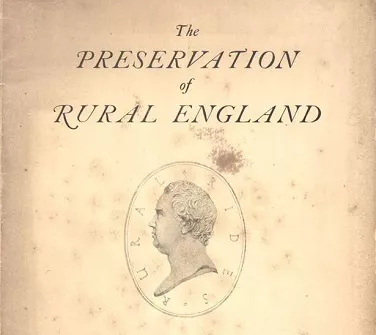
In the 1920s, Guy Dawber and Patrick Abercrombie warned of the urgent need to protect rural England from destruction and unregulated development. Abercrombie’s Preservation of Rural England manifesto laid the groundwork for rural planning, national parks, and green belts, while calling for stronger regulation of building across the countryside. Their efforts led to the founding of CPRE in 1926 as the Council for the Preservation of Rural England.
1927
Inspired by Abercrombie’s CPRE manifesto, Health Minister Neville Chamberlain asked planners to explore creating London’s first ‘agricultural belt’; an idea that laid the groundwork for today’s Green Belt. Around the same time, Violet Christy emerged as an early CPRE advocate, giving talks nationwide to promote countryside protection and later becoming a lecturer.
1928
CPRE helped shape national debate on countryside protection through initiatives like Architectural Advisory Panels with Royal Institute of British Architects advising on ways to improve building design. Clough Williams-Ellis’s influential book ‘England and the Octopus’, which exposed the dangers of urban sprawl.
CPRE also secured the Petroleum Act 1928 to curb intrusive roadside advertising and launched the Save the Countryside exhibition, which toured the UK and won praise in Parliament for spotlighting poor development and better alternatives.
1929
During the 1929 general election, party leaders Stanley Baldwin, Ramsay MacDonald and Davis Lloyd George publicly endorsed CPRE’s work, helping spur momentum for national parks.
CPRE pushed the case with government and at its Manchester conference, instigated instigate ‘National Reserve Committees’ in potential national park areas.
1930
Following CPRE’s evidence, the Addison Committee backed the creation of national parks to protect landscapes and improve public access. CPRE also helped draft the Rural Amenities Bill, secured support from the Women’s Institutes to tackle rural litter through local leagues, and used its conferences to promote countryside access and enjoyment for young people and city dwellers.
1931
The Minister of Transport appointed CPRE as official advisers to the Electricity Commissioners on the positioning of overhead electricity cables to minimise visual impact on the countryside. 40 cases were dealt with in 1931, and many more in the years to come.
1932
The Town and Country Planning Act 1932, shaped by CPRE’s Rural Amenities Bill, marked the first universal recognition of rural planning, tripling state loans for public open spaces and expanding planning coverage to 20 million acres. CPRE also secured land at Blacka Moor, influenced the Rights of Way Act 1932 to protect footpaths, and commissioned research supporting access to the Peak District moors, laying foundations for today’s rights of way.
1933
Raymond Unwin’s proposed Green Girdle for London – which was to become Britain’s first green belt – was endorsed by CPRE. We had proposed an ‘open belt’ of protected countryside around London three years earlier.
CPRE gave evidence to the Select Committee on Sky-Writing to call for the protection of the sky as a national asset.
1935
The Restriction of Ribbon Development Act 1935 crowned CPRE’s nine-year campaign against sprawl. Highway authorities were henceforth able to control roadside building. CPRE also launched a network of countryside wardens with the Scouts and Guides Associations, creating the first Country Code, and co-founded the Standing Committee on National Parks; now the Campaign for National Parks.
1936
In 1936, CPRE secured a landmark agreement with the Forestry Commission to stop large-scale plantations in the Lake District, using Friends of the Lake District’s maps that later shaped national park boundaries. Marking the tenth anniversary, The Times praised its role in linking countryside beauty with economic value. Meanwhile, CPRE’s report The English Coast called for a protected belt of open space around the coastline, ensuring that the countryside is better protected by legislation and public policy.
1937
On behalf of CPRE and the National Trust, Clough Williams-Ellis edited Britain and the Beast. This was a collection of pieces from leading public figures making the case for state intervention in landscape conservation.
1938
CPRE’s film ‘Rural England: the Case for the Defence’ reached was shown in 925 cinemas, won national acclaim, and was showcased at the 1939 New York World’s Fair. That same year saw the passing of the Metropolitan Green Belt Act, stopping London’s sprawl. Meanwhile, Neville Chamberlain appointed Patrick Abercrombie to help site military infrastructure in ways that safeguarded England’s most valued scenery.
1940
During WWII, National Gallery director Kenneth Clark initiated the Recording Britain scheme, enlisting artists to capture vulnerable landscapes and heritage sites at risk of destruction from the war. Working with CPRE, Frank Pick ensured areas like the South Downs were included, highlighting that reckless building developments posed as much threat to rural beauty as wartime bombs.
1941 - 1960
From National parks to green belts
The aftermath of the second world war saw our aspirations for national parks finally realised and the landmark Town and Country Planning Act 1947 that has had such a big role in much of CPRE’s work.
1942
Appointed by Churchill to examine rural land use, CPRE’s honorary counsel Lord Justice Scott concluded that national parks must be safeguarded for public enjoyment, with boundaries established swiftly after the war. CPRE also urged investment in rural sanitation at a time when many parishes lacked piped water or sewage, and argued for well-designed housing to foster healthier, more engaged communities. Both proposals influenced government policy.
1944
A CPRE-led conference calling for protection of historic buildings led directly to the 1944 Town and Country Planning Act’s listing system. At the same time, Ethel Bright Ashford fronted a deputation urging fuel economy and stricter penalties for polluters. Together, these campaigns tied heritage and resource protection firmly into postwar Britain.
1945
CPRE influenced the Attlee government to raise subsidies for rural housing to accommodate 100,000 needed farm workers. CPRE’s Ethel Haythornthwaite also sat on the National Parks Committee, helping secure the 1949 National Parks and Access to the Countryside Act.
1946
In 1946, CPRE opposed the New Towns Bill, warning that countryside development should follow the reuse of war-damaged or industrial land. That year it also blocked two new towns in Cheshire, preventing the loss of fertile farmland.
1947
The 1947 Town and Country Planning Act achieved many CPRE goals and created the planning framework still in use today. It established coherent land use controls, gave democratic oversight to rural development, and ensured that decisions were no longer dictated solely by landowners or developers, but balanced with the wider public interest.
1948
CPRE urged the government to ensure planning inquiries were properly publicised. As a result, the Ministry of Town and Country Planning introduced a system to review all appeals before the inquiry stage, with full details published in the local press.
1949
The 1949 National Parks and Access to the Countryside Act, following CPRE’s 20-year campaign, created National Parks and gave equal protections to new Areas of Outstanding Natural Beauty. It established SSSIs, National Nature Reserves and long-distance National Trails, expanded public access, and penalised misleading signs. CPRE helped broker agreement between farmers, landowners and ramblers, and its volunteers surveyed rights of way.
1951
The Peak District became the first National Park in 1951, building on CPRE Sheffield’s 1928 appeal led by Ethel Haythornthwaite, which saved 747 acres of the threatened Longshaw Estate for the National Trust. CPRE also helped spark the government’s ‘Keep Britain Tidy’ campaign and influenced the Forestry Act 1951, securing more native broadleaf planting and farmland protection.
1952
At a series of public inquiries into refuse dumps on farmland, CPRE gives evidence in favour of what would have been pioneering recycling plants, built on derelict land, ‘where the refuse can be sorted and used in the national interest’.
1953
For Queen Elizabeth II’s coronation in 1953, CPRE launched campaigns for new village greens and halls for young people, alongside a ‘Tidy Village Competition’. These evolved into the popular county-based ‘Best Kept Village’ contests, soon adopted across most of England, reflecting CPRE’s focus on community spirit, local pride and countryside stewardship during the coronation celebrations.
1954
At CPRE’s AGM, Housing Minister and future Prime Minister Harold Macmillan praised the charity’s achievements, declaring that ‘the main battle of CPRE has been won after a very long fight.’ He noted that in a small island, unrestricted individual freedom in land use was no longer possible, recognising CPRE’s role in shaping modern planning.
1955
Responding to CPRE pressure, government issued a circular endorsing strongly protected Green Belts around major towns and cities. Minister Duncan Sandys declared it a national duty to curb urban sprawl for people’s wellbeing and countryside preservation. At the WI’s AGM, CPRE’s Herbert Griffin also supported their resolution to establish what became the Keep Britain Tidy Group.
1958
The Manchester Guardian publishes a leader in support of a ten-year-old CPRE campaign, suggesting that the Central Electricity Generating Board should establish a fund to finance the laying of underground cables where rural amenities should be preserved. ‘Such a fund would not absorb much of the industry’s surplus – and the whole community would benefit from a bonus that rightly belongs to the community.’
1961 - 1980
From plastics to power
The sixties first saw CPRE concerned about the rise of plastic bottles and influence the Countryside Act, while in the seventies we started to focus on energy infrastructure.
1961
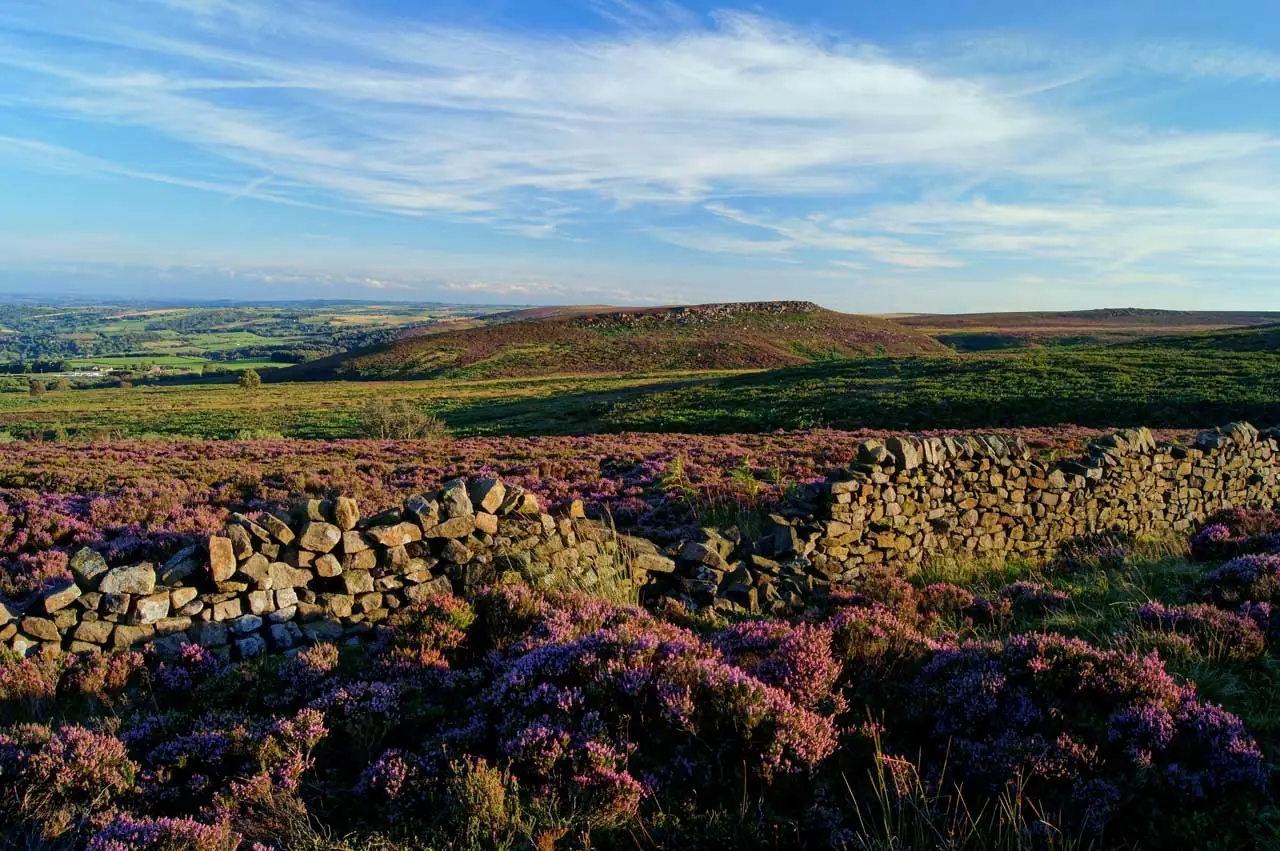
CPRE helped to secure an agreement between landowners and the Forestry Commission to control afforestation in National Parks.
1963
A long CPRE campaign finally succeeds in convincing the government that England’s coastline deserved the same protection as the countryside. Local authorities were asked to survey their coastal areas, identifying unspoilt areas to preserve and existing eyesores to remove.
1968
The Countryside Act extended protections to rural areas beyond National Parks, with CPRE’s chair Lord Molson ensuring conservation was prioritised over recreation. Around the same time, CPRE highlighted concerns about the rise of indestructible plastics and welcomed the creation of an industry-led Plastic Waste and Litter Disposal Steering Committee.
1969
CPRE warned that over 6 billion bottles were being produced each year, with a growing share made of plastic, non-returnable types, which were making the litter problem even worse.
1970
CPRE launched its hedgerow campaign after research showed losses of 10,000 miles a year, calling for protection through preservation orders. At the same time, it pushed for a ban on disposable bottles and deposit schemes to promote reuse and recycling.
1972
CPRE has actively campaigned to protect rural communities and the environment, successfully challenging higher lorry weight limits and advocating against noise and pollution in English villages. CPRE also promoted international action on plastic waste and proposed measures to improve recycling and reduce packaging waste.
1974
CPRE helped found the European Environmental Bureau to enable further environmental representations to the EEC, and immediately pressed for funds to be made available for landscape conservation schemes.
1975
CPRE’s submission to the Plowden Committee on the energy supply industry called on local authorities to adopt planning schemes of ‘low energy-intensivity’.
1976
CPRE intensified calls for energy production to focus on local self-sufficiency, decentralisation, and lower environmental impact—pointing out that improving home insulation could reduce energy demand by up to 20%.
1978
CPRE helped block Southern Water Authority’s drainage scheme for Amberley Wild Brooks in West Sussex. This exposed major flaws in the cost-benefit analysis that had been used to justify funding from the Ministry of Agriculture.
1979
CPRE Durham and Teesside successfully blocked plans for the development of pylons along Hadrian’s Wall and through Northumberland National Park. Local Chair, Dr Kenneth Ashby, showed councils that demand was overestimated, forcing better use of the existing power network instead.
1981 - 1990
From energy to brownfield
Sometimes campaigns take a while: the decade saw one AONB put in place that we called for first in 1927! The eighties also saw us start to focus on sustainable energy and brownfield land use.
1981
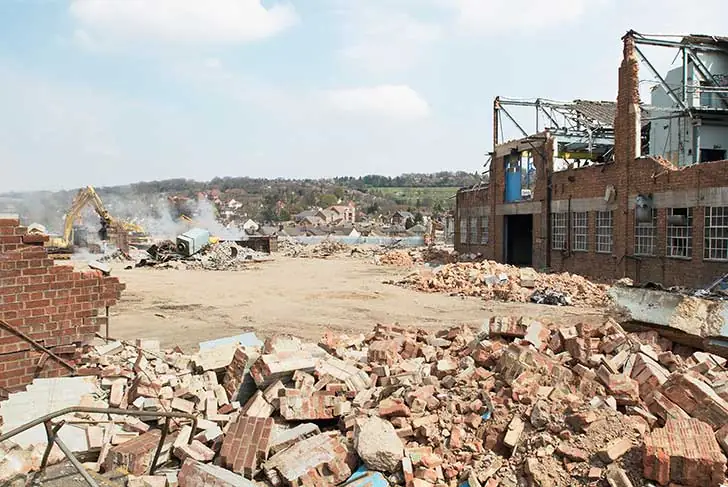
CPRE’s campaign to save Halvergate Marshes in the Norfolk Broads led to the creation of the Environmentally Sensitive Areas Scheme, supporting wildlife-friendly farming. At the same time, CPRE pushed for a national insulation programme, efficiency standards for appliances, and for energy conservation to be fully embedded in the planning system alongside agricultural protection.
1983
CPRE demonstrated more cost-effective ways of meeting the nation’s electricity needs without damaging the countryside in evidence to the Sizewell B nuclear power station inquiry.
1984
CPRE’s national Green Belt campaign led to the government withdrawing two damaging draft circulars on housing and green belt land.
1985
CPRE’s campaign to reform the European Commission’s Agricultural Structures Directive blocked funding for harmful farming practices and secured the first-ever ‘green’ farm payments. Meanwhile, the long-awaited designation of the North Pennines as an Area of Outstanding Natural Beauty marked the success of CPRE’s efforts dating back to 1927.
1986
CPRE successfully blocked plans for a new settlement at Tillingham Hall in the Essex Green Belt, reducing the thread of similar developments. The campaign prompted government focus on urban regeneration, with increased funding helping raise the proportion of housing on brownfield sites from 38% in the early 1980s to 45% by 1987.
1987
CPRE successfully influenced the Channel Tunnel Rail Link to follow existing transport corridors and include a tunnel under the North Downs, reducing its impact on the countryside. CPRE also challenged plans to repurpose unprofitable farmland, prompting a government U-turn and a circular recognising that the countryside should be protected for its own sake, not just for productivity.
1988
CPRE achieved key environmental victories, including blocking new conifer plantations in English uplands, success in the introduction of European Environmental Impact Assessment legislation, and opposing the Lyndhurst bypass to protect the New Forest National Park. CPRE also promoted energy efficiency ahead of electricity privatisation, showing demand could be reduced more cheaply than building new power stations.
1989
Following a CPRE campaign that began in 1983, the government introduced a ban on straw and stubble burning from 1993.
1990
The government’s first-ever Environment White Paper endorsed statutory hedgerow protection, two decades after CPRE first launched its campaign.
1991 - 2000
When global went local
The early 90s saw the environment go global with the Rio Earth Summit. We also saw our campaign for hedgerow protection come to fruition and our pioneering tranquillity maps published.
1991
CPRE’s Energy Conscious Planning report warned that car dependency and energy-intensive development pose serious environmental risks. It called for binding emissions reduction targets, stronger environmental assessments, statutory duties for planning authorities to promote energy efficiency, and guidance to ensure new developments are energy-efficient in design, layout, and construction.
1992
In 1992, CPRE director Fiona Reynolds led UK environmental NGOs’ lobbying ahead of the Rio Earth Summit, promoting efficient land use and sustainable development. Reynolds coordinated the Putting Our Own House In Order report and urged the government to adopt stronger carbon reduction targets and energy efficiency measures, warning that existing policies, including the roads programme, threatened to increase emissions.
1994
Landmark planning guidance acknowledged the planning system’s role in reducing car dependence and travel demand. CPRE’s Urban Footprints campaign highlighted the vital links between town and country and the shared benefits of well-planned urban regeneration.
1995
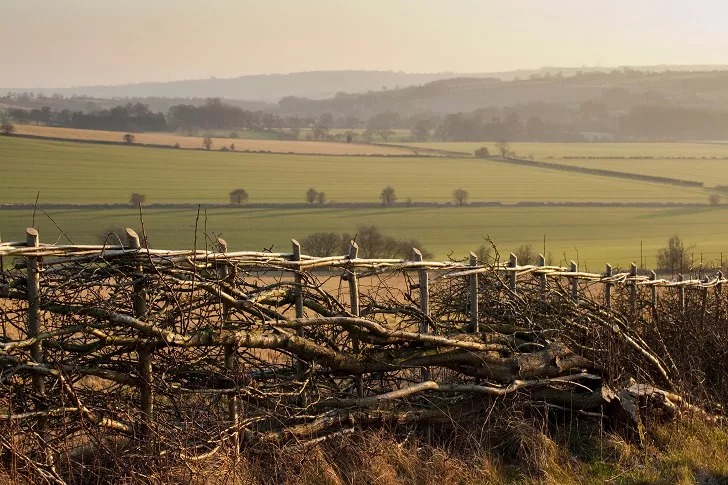
The Environment Act 1995 secured two major CPRE victories: legal protection for hedgerows and greater independence for National Parks. That year, CPRE also published the first Tranquillity Maps, showing how development and traffic had eroded peaceful areas over three decades.
1996
New planning guidance restricted out-of-town shopping developments and promoted investment in town centres.
1997
After 25 years of CPRE campaigning, laws came into force to protect England’s most valuable hedgerows from being grubbed up.
That year, CPRE also set out a vision for the new millennium in ‘The English Countryside – A View for the Future’, stressing that the countryside and nature are essential for our wellbeing, improving both mental and physical health.
1999
Lord Rogers’ government-appointed Urban Task Force published its influential report on achieving an urban renaissance. This report had substantial CPRE input and would help protect the countryside.
The government announced plans for a new National Park for the New Forest, following CPRE lobbying.
2000
After years of CPRE campaigning, planning policy shifted to prioritise brownfield sites for housing over greenfield land, supported by CPRE’s Sprawl Patrol campaign. The government also dropped plans to relax controls on rural advertising hoardings following strong CPRE opposition.
2001 - 2010
Local food, night skies and the search for tranquility
The first decade of the century saw us focus more on the experiences the countryside can give us: peace, the wonder of a clear starry sky and great local food. And we joined forces with the Wombles.

2001
CPRE’s local foods campaign, supported by Rick Stein, promoted the benefits of local and speciality produce for farmers, consumers, and the countryside. The organisation also introduced a definition of local food to cut food miles, which became an industry standard for freshness, local identity, and sustainability.
2003
CPRE intensified its efforts to protect dark, starry skies by publishing pioneering maps revealing the rapid spread of light pollution across England.
CPRE also released its Guide to Quiet Lanes, supporting campaigners in preserving country roads from increasing traffic.
2004
Following strong campaigning by CPRE and others, the government dropped plans to convert the A303 into a dual carriageway through the Blackdown Hills Area of Outstanding Natural Beauty in Somerset.
2006
Thanks to CPRE campaigning, light pollution was recognised as a Statutory Nuisance under the Clean Neighbourhoods and Environment Act 2005; and the UK’s first Star Count revealed areas affected by poorly directed outdoor lighting. CPRE also defined tranquillity nationally, promoted local foods to support rural economies, highlighted farmers’ unpaid landscape conservation, and helped secure Ofgem’s allowance for undergrounding power lines in protected landscapes.
2007
CPRE developed a method of mapping countryside ‘intrusion’, revealing that only 50% of rural areas were free from man-made distractions, down from 75% in the 1960s. Research with the RAC showed up to 70% of rural road signs were unnecessary, and CPRE’s campaign for ‘clutter audits’ helped restore views, improve safety, and save money.
2008
Bill Bryson launched CPRE’s Stop the Drop campaign against litter and fly-tipping, which called for a national deposit scheme for drinks containers. It drew 225 groups and cleared 30,000 bags of rubbish. CPRE and Wiltshire Wildlife Trust also created a schools pack which highlighted the dangers of plastic bottles to wildlife.
‘Making Local Food Work’ was also launched, to strengthen local economies. A joint charter with the National Housing Federation was published too, to boost affordable rural homes.
2009
CPRE played a key role in creating the South Downs National Park in 2009 (England’s 10th!) after an 80-year campaign, ensuring all its recommended areas were included. During this time, CPRE also launched a hedgelaying accreditation scheme, influenced road safety policy to better protect rural walkers and cyclists, investigated the value of green belt land, and set out its Vision for 2026 for a more accessible and protected countryside.
2010
We worked with the National Housing Federation and published Affordable Housing Keeps Villages Alive, guiding communities on supporting locally needed housing. We also helped defeat plans for a vast factory dairy unit at Nocton, Lincolnshire; highlighting threats to traditional farming and rural landscapes—an effort backed by over 1,000 supporters that led to the scheme’s cancellation in 2011.
2011 - 2020
From saving our forests to facing down fracking
A busy decade in which we led the successful push for a commitment to a deposit return scheme and as part of our work on climate change helped put a moratorium on fracking.
2011
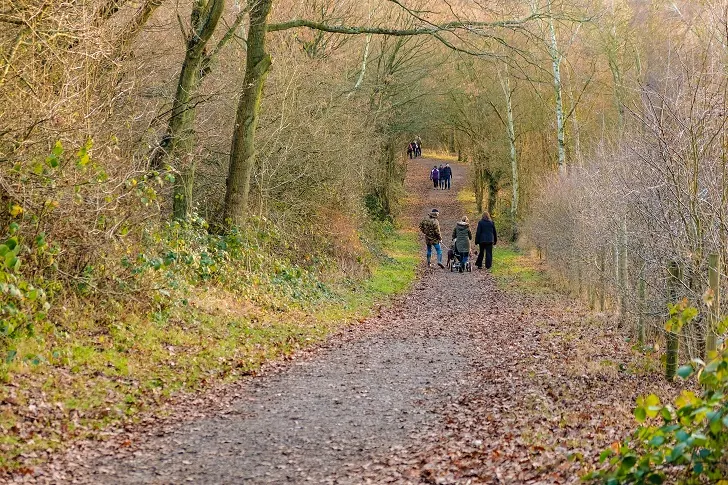
CPRE helped stop the proposed sell-off of England’s public forests, with local volunteers and President Bill Bryson playing a key role in securing a government U-turn. That year, CPRE’s legal action led Network Rail to clear 1,000 tonnes of rubbish from 130 sites, while Bill Bryson reaffirmed the value of the countryside in his final speech: : ‘I believe what the countryside is needed for is what it is providing already: beauty, and greenery, and fresh air, and vistas that lift the spirit.’
2012
CPRE’s From Field to Fork report revealed the huge economic and social value of local food, while years of campaigning secured dark skies in national planning policy and new community powers through neighbourhood planning. We also saw our data adopted by Natural England, won £500m to reduce electricity pylons’ visual impact, and pushed for an HS2 design panel to protect the countryside.
2013
CPRE’s Save Our Countryside charter called for stronger protection, fairer community involvement in planning, and more affordable housing, winning over 80,000 supporters (our most popular online action at the time!), including MPs from all parties. We also launched the UK Deposit Alliance, presenting European evidence that deposit schemes on drinks containers cut litter, boost recycling, and creates jobs; with proven success in Germany and promising pilots in Catalonia and Scotland.
2014
CPRE’s charter campaign secured government commitments to protect the green belt and prioritise brownfield regeneration, while we also joined other major charities in warning against the risks of fracking. Our From wasted spaces to living places report and Waste of Space campaign showed brownfield land could provide 1 million homes, which convinced the government to fund new housing zones, launch land commissions, and over £2bn in government funding for ‘brownfield registers’ to be reintroduced in the Housing and Planning Act 2016.
2015
CPRE secured major wins for the countryside, from a £500m fund to underground powerlines in protected landscapes and leading a campaign which led to an 80% reduction in plastic bag use, to government commitments on brownfield-first housing, green belt protection, and expanded National Parks. Our campaigns also influenced railway re-openings, the UK’s first £1bn Cycling and Walking Investment Strategy, and the adoption of ‘the right homes in the right places’ as a guiding principle for planning policy.
2016
Our Housing Foresight papers shaped the 2016 Housing and Planning Act, protecting rural exception sites for affordable homes and safeguarding council houses in protected landscapes. After the EU referendum, our New Model Farming report influenced government plans to tie farm support to public benefits like wildlife, flood management and access; later secured 2020’s Agriculture Bill.
2017
Our campaigns shaped government policy on housing, green belts and brownfield land. We secured the UK’s first National Litter Strategy; and won new protections for small farms, National Landscapes (formerly AONBs) and dark skies through our award-shortlisted Night Blight maps. We also mobilised thousands to defend green belts, challenged the case for new roads, and influenced major national decisions on planning, transport and the environment.
2018
CPRE influenced the government’s 25 Year Environment Plan and secured key changes to the National Planning Policy Framework, strengthened protections for green belts, National Parks and National Landscapes; and restored social housing in the NPPF’s definition of affordable homes. Our campaigns also exposed failures in rural affordable housing delivery, won backing for a deposit return scheme on bottles and cans, and helped secure a ban on plastic straws, stirrers and cotton buds.
2019
CPRE shaped the Landscapes Review, which backed stronger protections, funding and access for National Landscapes, while our Green Clean campaign and decade-long lobbying helped secure a deposit return scheme in the Environment Bill. We celebrated a fracking moratorium, influenced election pledges on trees, hedgerows and the green belt; and exposed that most planned green belt homes were unaffordable—helping secure commitments to protect and enhance it.
2020
CPRE’s campaigns shaped the 2020 Agriculture Bill, securing ‘public money for public goods’ to reward farmers for sustainability, biodiversity, access, and soil health. We also influenced major government commitments: better housing design, £5bn for buses and cycling, £400m for brownfield redevelopment, and £12.2bn for affordable homes.
2021 - 2025
Championing communities and countryside solutions in a time of change
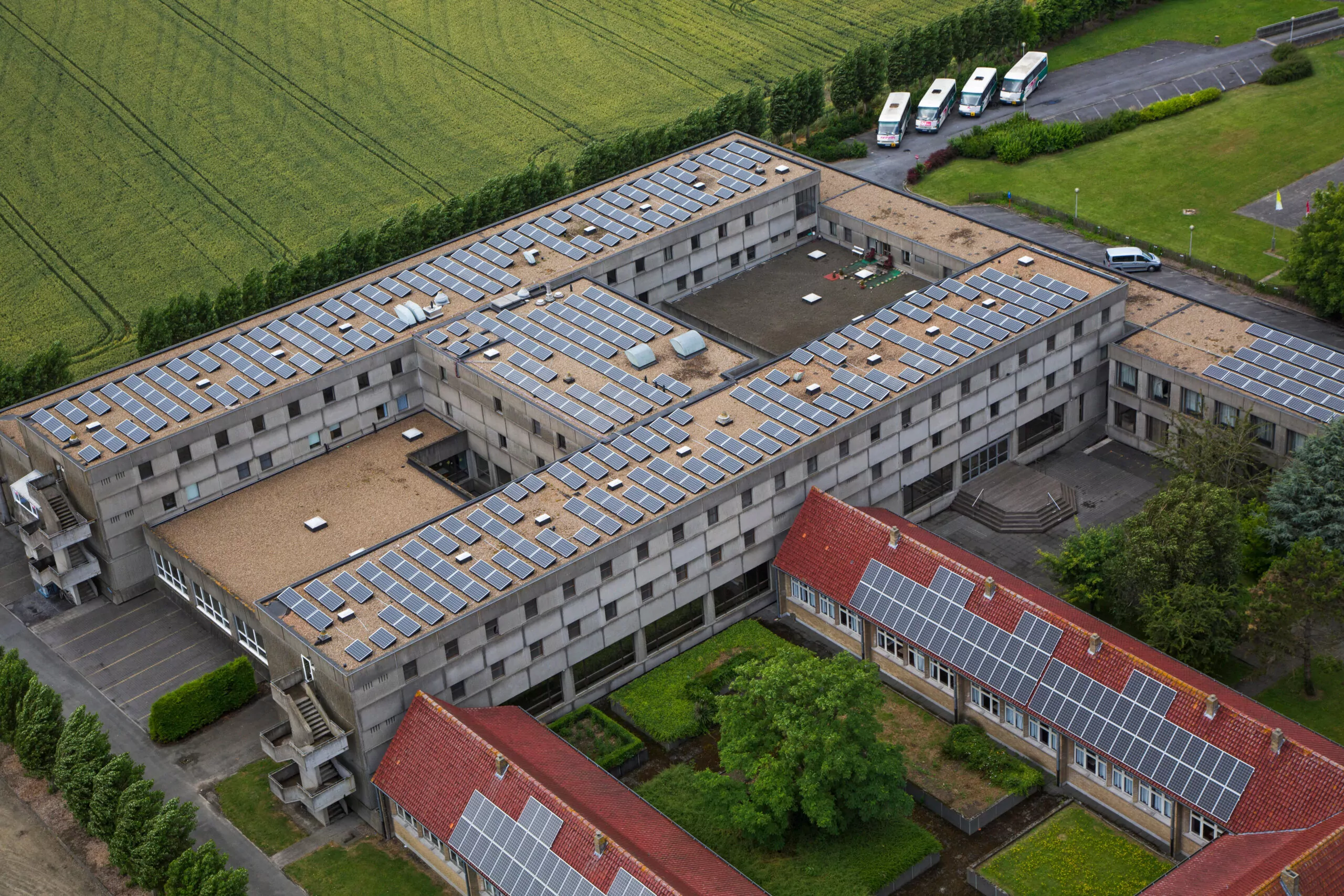
2021
CPRE secured major wins despite the pandemic: blocking damaging planning reforms, protecting affordable housing, and gaining recognition as a leading planning voice. Star Count drew tens of thousands, while transport deserts, coal mining, and peat use were challenged. With hedgerow, youth and diversity campaigns, CPRE broadened its reach, earning a PRCA award for its influential Planning White Paper campaign
2022
CPRE won rollbacks on damaging planning changes and drove debate on rural housing with research showing a 1000% rise in short-term lets. We urged the government to promote Local Green Space designation, highlighting the importance of the 6,500+ existing designations. We challenged farmland loss, and promoted brownfield use. CPRE campaigns helped reinstate the fracking ban, fought the Cumbrian coal mine, and advanced hedgerow planting, with nearly 50,000 signatures backing our call.
2023
In 2023, CPRE helped secure new government hedgerow targets through its 40by50 Hedgerow campaign, earning a top prize at the Charity Awards. Star Count revealed only 5% of people enjoy truly starry skies, while our Rooftop Renewables campaign showed the potential of solar on rooftops. Reports on Green Belt, Local Green Spaces and rural housing reinforced CPRE’s case for affordable homes, climate resilience in the countryside and fairer countryside protections.
2024
CPRE made the countryside central to the general election, launching a manifesto on housing, planning, Green Belt and rooftop solar. Labour’s win brought new opportunities and big challenges, with CPRE leading policy responses. Campaigns drove support for affordable rural housing, rooftop renewables and hedgerow restoration, while new research, reports and polling confirmed strong public backing for protecting the countryside next door.
2025
In 2025, CPRE helped secure a landmark win with solar on new homes included in the Future Homes Standard. We shaped debate on the Planning and Infrastructure Bill, land use and brownfield-first housing, while campaigning for nature, food security and affordable rural homes. Hedgerow Heroes expanded, and Countryside Day united communities in celebrating and protecting the countryside.