

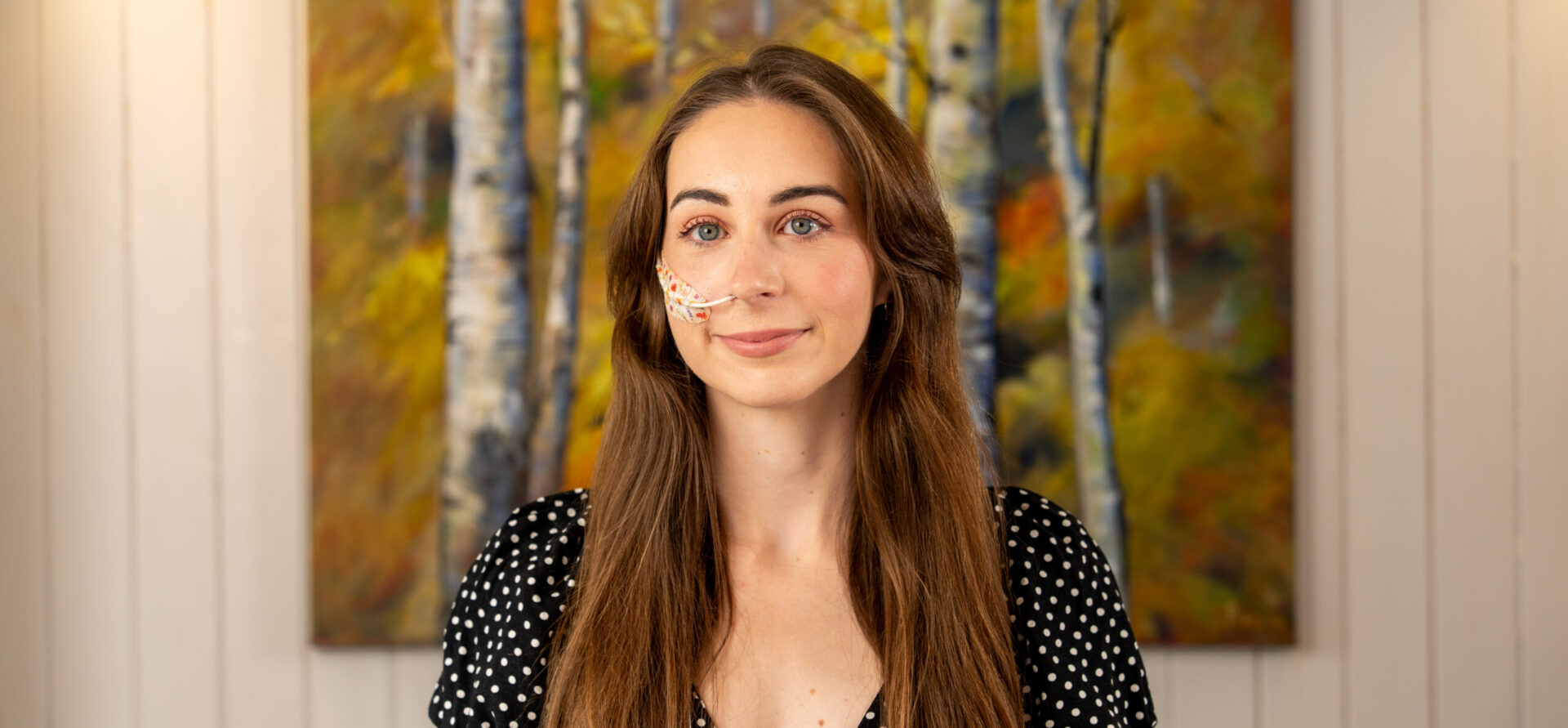

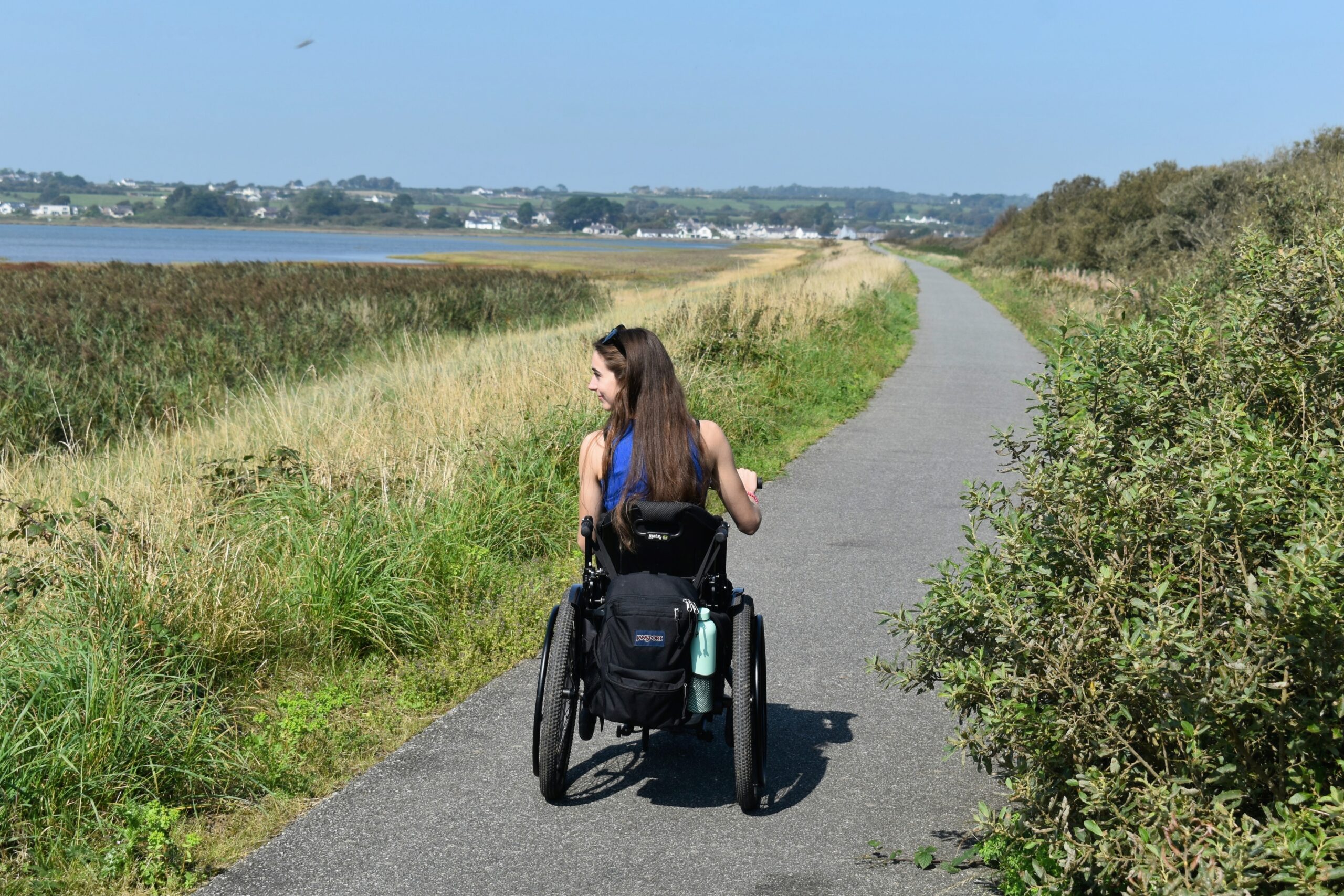
After becoming a full-time wheelchair user in her twenties, Bethany Handley found herself shut out of the countryside she’d grown up roaming — not by the terrain, but by stiles, gates and barriers never designed with disabled people in mind. She has since worked with the RSPB, the Ramblers, ParalympicsGB and Forestry England, among others, to raise awareness of those barriers in practice: training films made with Monmouthshire County Council helped 17 volunteer groups replace 68 stiles, clear eight miles of paths and improve 466 pieces of path furniture. As an ambassador for Country Living’s Access for All campaign, she helped build a UK-wide map of accessible walks, informed by more than 1,000 disabled people and carers. Her evidence has been cited in a Senedd committee inquiry, and her book, My Body is a Meadow, was named among the year’s top climate books. Through BBC Radio 4’s Saturday Live, national press, and festival appearances, Bethany has reached millions with a simple message: nature is for everybody, so why gatekeep access? Her lived experience shapes the guidance: as she explains, ‘when you exclude one individual, you also exclude their family and friends,’ a principle that has helped organisations including the Ramblers and RSPB rethink how they train volunteers on path maintenance.
Nomination details
Why this matters
Bethany Handley has made an outstanding UK-wide contribution by turning disabled people’s exclusion from the countryside into practical action, national campaigning and cultural change.
She co-produced two training films for landowners and volunteers on removing unnecessary barriers from countryside paths. This work supports a programme involving 17 active volunteer groups, which over two years replaced 68 stiles with gaps or gates, cleared vegetation from eight miles of paths and around 466 pieces of path furniture.
As a Ramblers ambassador, she has helped highlight a national access problem: England and Wales have more than 140,000 stiles (a stile a mile on average), while Ramblers research found that 56% of people with physical or sensory disabilities are prevented from using public paths by barriers such as stiles, steps and gates. Her campaigning gives these statistics a powerful human voice and presses governments (Bethany’s work has been cited in formal written evidence to a Senedd/ Welsh parilaiment committee, helping to frame policy recommendations concerning accessible outdoor spaces and opportunities for physical activity), multiple councils, landowners and path managers to adopt least-restrictive access.
As an ambassador for Country Living’s Access for All campaign, Bethany has helped promote an interactive map of accessible walks across the UK and articles highlighting the best accessible rural sites. The campaign was informed by more than 1,000 disabled people and carers: nearly 70% said they struggled to access green spaces, despite 80% describing the countryside as their ‘green dopamine’.
Through Hay Festival, events around Britain, BBC Radio 4’s Saturday Live, regular BBC Radio appearances, BBC News, the Ramblers and her book My Body is a Meadow, Bethany has brought countryside accessibility into mainstream national discussion. Her outstanding contribution is connecting personal storytelling with practical solutions- better gates, clearer route information, suitable facilities and meaningful consultation- so that everyone can access the countryside.
Impact
Bethany Handley’s work has delivered practical improvements locally while influencing countryside access across the UK. She co-produced two training films for landowners and volunteers on identifying and removing barriers. This work forms part of a programme supporting 17 active volunteer groups, which over two years replaced 68 stiles with gaps or gates, cleared eight miles of paths and improved 466 pieces of path furniture. Her lived-experience guidance helps ensure that such work meets the needs of wheelchair users and others who face mobility barriers. As Bethany explains, ‘When you exclude one individual, you also exclude their family and friends.’
Her national campaigning addresses a substantial un-met need. Country Living surveyed more
than 1,000 disabled people and carers and found that 68% experienced countryside access problems because of mobility issues, 93% had to prepare extensively before every visit and 70% identified stiles as a major obstacle. Yet 80% visited the countryside for their mental wellbeing. As an ambassador for its Access for All campaign, Bethany contributed to an interactive map of accessible walks across the UK, helping people find suitable routes while showing landowners, councils and tourism organisations what useful access information should include. She’s also written and be featured by national media including BBC Radio, Skylark, Country Life, BBC News and The Guardian, explaining why accessibility in green and blue spaces matters and how we can remove the barriers. She’s reached millions of readers and listeners and her access work has been taught in schools in England.
Her influence has also reached formal policy discussions. RCN Wales quoted Bethany’s work in evidence submitted to a Senedd Health and Social Care Committee inquiry, including her powerful conclusion: ‘We exclude Disabled people by design.’ The submission then called upon government and local authorities to improve pavements, green spaces, public toilets, seating, transport and accessible recreation facilities. Her evidence has therefore helped turn individual experiences of exclusion into specific recommendations for public bodies. Meanwhile, organsiations such as the Ramblers and RSPB are making paths more accessible, training volunteers on trimming vegetation and removing stiles and path maintenance, directly because of Bethany’s training.
Bethany’s greatest impact is that more people now understand accessibility as essential to the countryside, not an optional extra. Her work gives disabled people and their families practical information and greater confidence to visit nature, equips communities to improve paths, and builds a larger, more diverse public with a stake in enjoying and protecting the UK’s green and blue spaces. Most importantly, Bethany’s national media presence has encouraged millions of people to change their mindsets, expecting diversity in the countryside. Through Country Living, Escape to the Country and two appearances on BBC Radio 4’s Saturday Live alone, Bethany’s message had access to more than 4.9 million gross audience opportunities, with substantial additional, unquantified reach through BBC News, BBC Wales Today, digital coverage, festival, keynote speeches and social media.
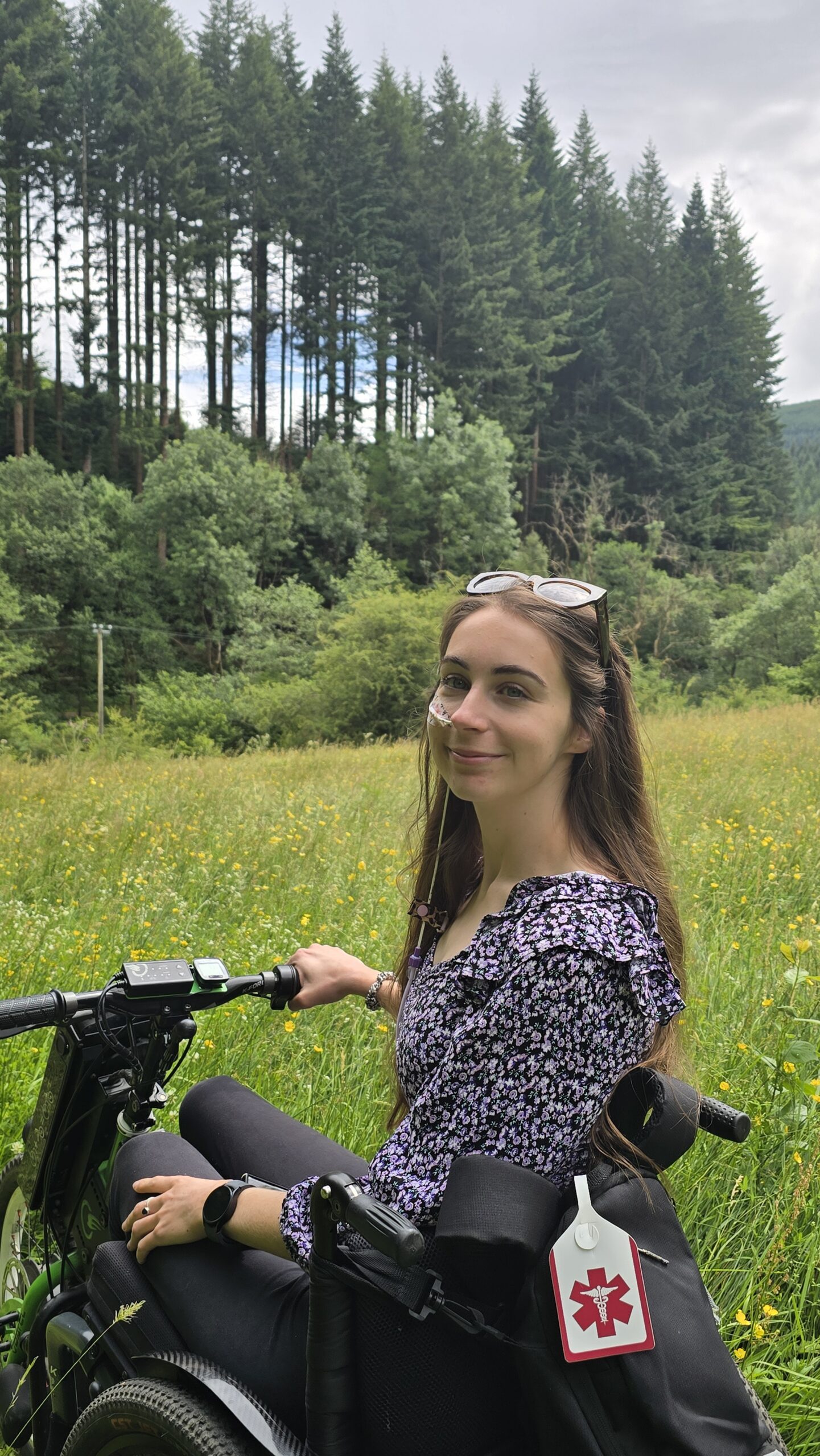
Inclusion and accessibility
Bethany has advanced inclusion through both practical access improvements and cultural change. When Bethany was discharged from hospital, the only representation she’d seen of disabled people in nature was in Avatar where a paraplegic would rather leave earth and become a blue alien that wheel through forests with his loved ones. Bethany’s advocacy work raising awareness of barriers to access means that newly disabled people will know they belong in the outdoors, that landowners shouldn’t fear access for all, and volunteers know how to maintain paths for all.
Crucially, Bethany recognises that inequality in the outdoors is intersectional. Her book, My Body is a Meadow, does not examine disability in isolation. Journeying across Britain, it explores how ableism and climate injustice intersect with land ownership, privatised healthcare, biodiversity loss, poverty, ethnicity, gender and social marginalisation. It shows that countryside exclusion is caused not only by physical barriers, but also by unequal access to equipment, healthcare, resources, information and decision-making.
Nearly one in four people are disabled, while public rights of way are recorded as blocked for everyone in 32,000 places across England and Wales. Meanwhile, of the 140,000 miles of public rights of way in England and Wales it’s thought only a few hundred are accessible to all. Bethany challenges the assumption that disabled people must overcome their bodies, demonstrating instead that people are excluded by avoidable design choices, inaccessible information and systems that fail to consider different needs.
Through training, accessible-route advocacy, national campaigning, broadcasting, UK festivals and storytelling, she has made disabled people more visible as walkers, wheelers, writers, adventurers and custodians of nature. As her book asks, ‘Nature is for everybody, so why gatekeep access?’