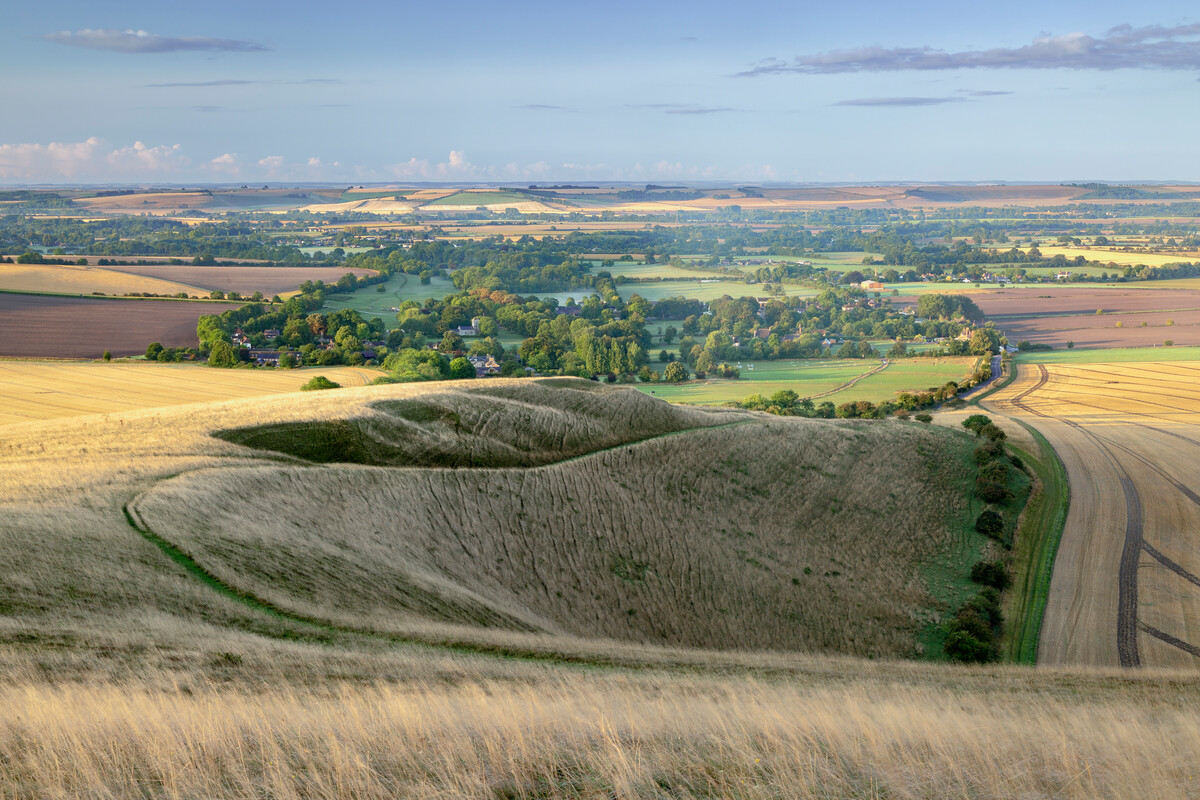


Discover the countryside: London
PLACE TO EXPLORE: Follow the New River Walk
Hazel Robinson, CPRE’s Executive Officer, recommends the New River Path, a 45km route from Hertford to Islington following a channel completed in 1613, to carry clean drinking water into London.
Despite the name, it isn’t a natural river at all. It’s an engineered aqueduct, one of the earliest pieces of large-scale water infrastructure in the country. The path runs from open Hertfordshire countryside along the Lee Valley, through Hoddesdon and Broxbourne, crosses the M25, and enters the city, finishing with a heritage section through Stoke Newington to New River Head in Islington; a historic complex of waterworks buildings.
The route almost disappeared in 1985, when Thames Water considered closing the New River. Local campaigners, the New River Action Group, persuaded the company to preserve it as a walking route instead, and it now serves as a home for wildlife as well as walkers.
PLACE TO EXPLORE: London’s longest nature reserve
The Parkland Walk is London’s longest linear nature reserve, following an abandoned Victorian railway line between Finsbury Park and Alexandra Palace.
Old platforms still stand among the woodland, and at Crouch End, a street art Green Man watches over walkers from the arches of the former station, a reminder that this wooded path was once a busy railway line.
PLACE TO EXPLORE: Discover Walthamstow Wetlands
Lola Kapf, CPRE’s Campaign and Content Officer, recommends Walthamstow Wetlands, reached along a towpath walk beside the River Lea.
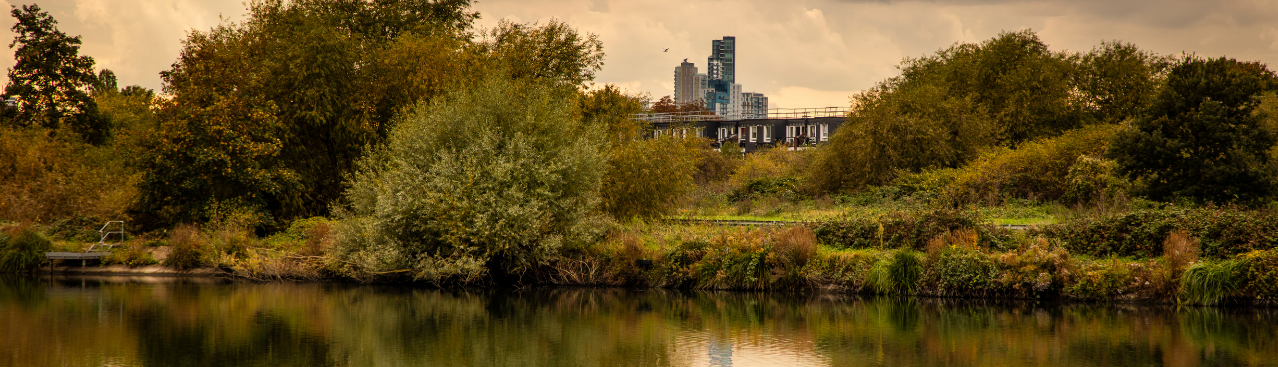
Once a set of Victorian reservoirs supplying London’s drinking water, the site is now Europe’s largest urban wetland nature reserve, a 211-hectare haven for herons, kingfishers and wintering wildfowl just fifteen minutes from central London. The walk passes the Anchor and Hope pub, a good spot to pause before continuing along the water.