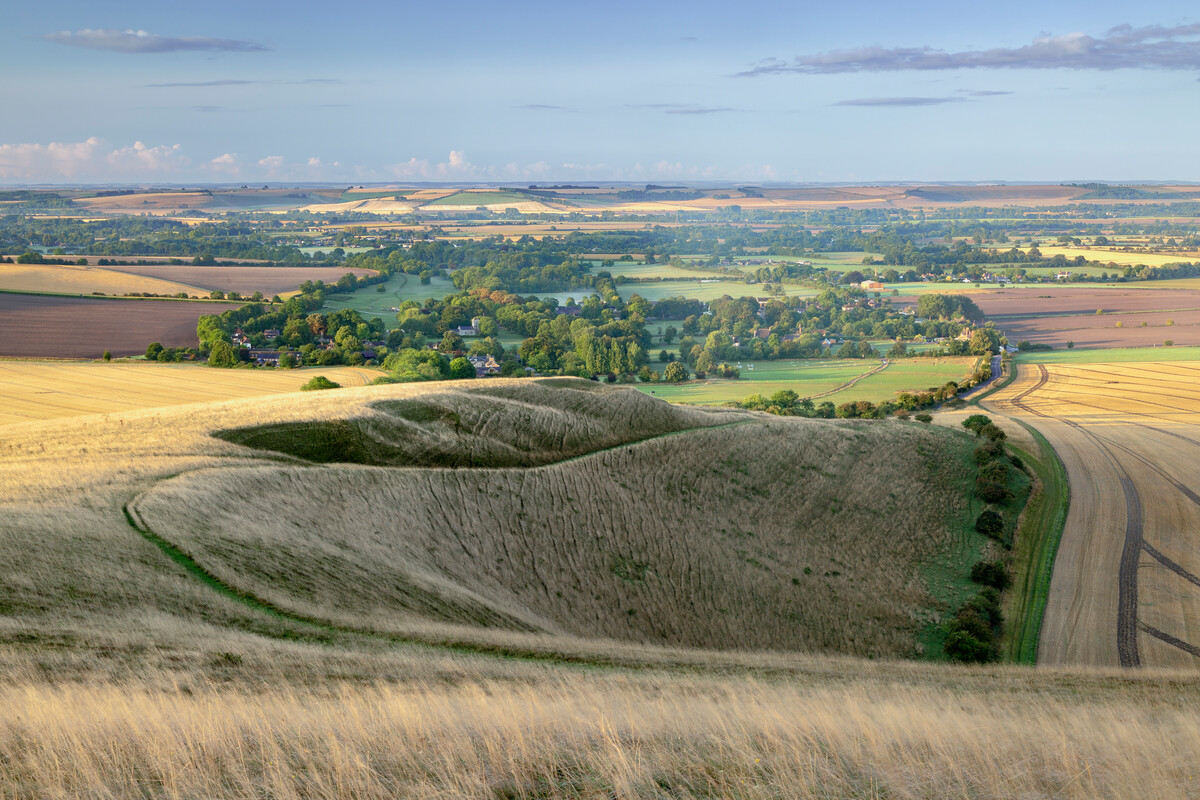


Discover the countryside: North & East Yorkshire
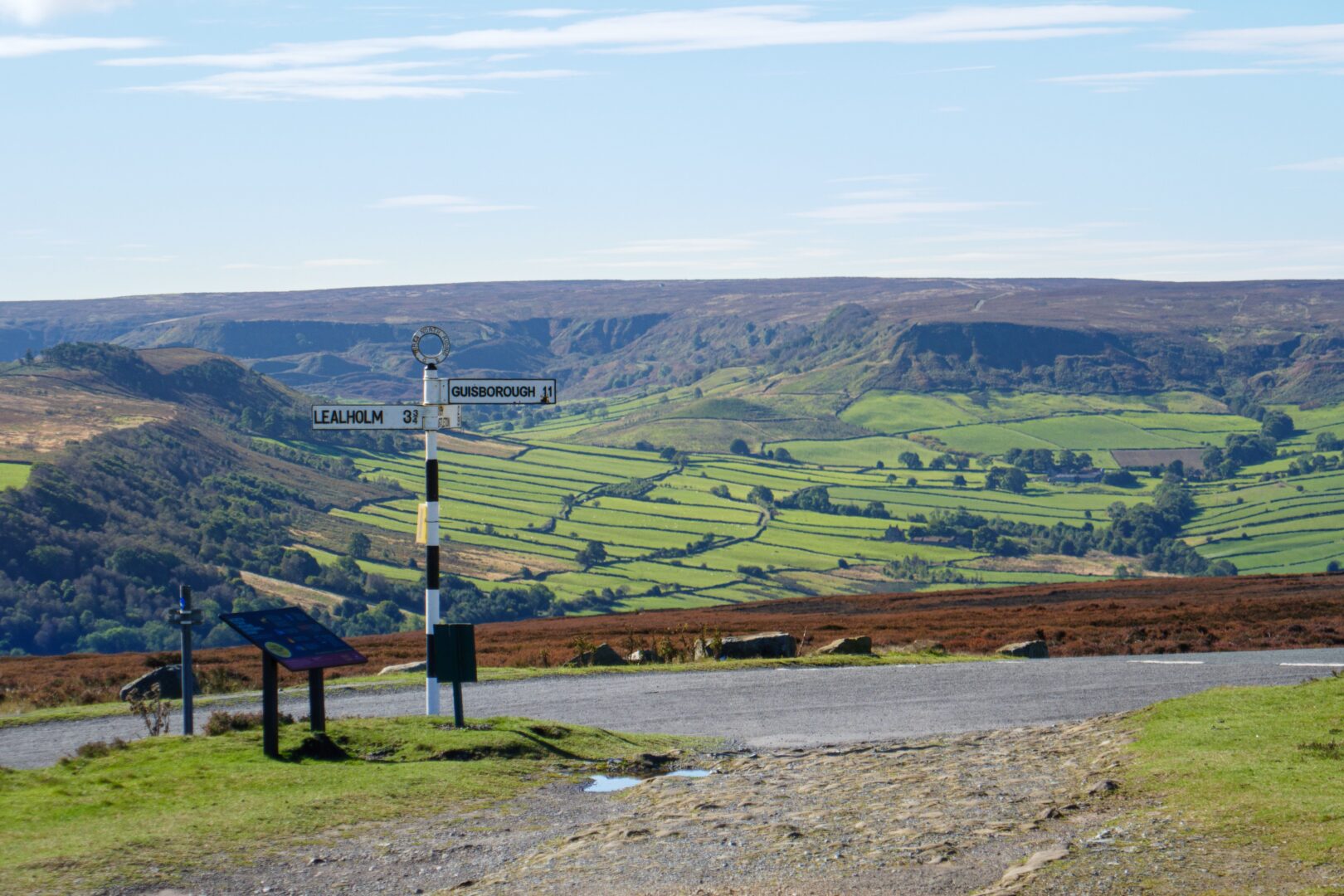
WALK: Discover a quieter side of Wensleydale
One of Sally Learoyd from CPRE North & East Yorkshire’s favourite walks reveals a quieter side of the Yorkshire Dales.
Starting in Bainbridge, this nine-mile circular route follows the River Bain – England’s shortest river – to its source at Semerwater, one of only two natural lakes in the Yorkshire Dales.
Along the way, you’ll pass the remains of a Roman fort dating from around AD 90 and the atmospheric ruins of an 18th-century church, before heading through the farming hamlet of Marsett and returning along an old Roman road.
Why go? For history, big Wensleydale views and a beautiful corner of the National Park away from some of its better-known destinations.
TRAIL: Walk in the footsteps of the Wold Rangers
The Wold Rangers Way is a 44-mile circular trail through the chalk landscapes and dry valleys of the Yorkshire Wolds, passing market towns and ancient villages along the way.
The route also celebrates the history of the Wold Rangers – itinerant farm workers who travelled the area in search of work.
It’s a chance to discover both the distinctive landscape of the Wolds and some of the people whose lives were shaped by it.
LOCAL SECRET: Find Britain’s tallest megalith
Hidden in a village churchyard in East Yorkshire is something you might easily pass without appreciating quite how extraordinary it is: Britain’s tallest standing stone. It reaches more than 26 feet and weighs roughly 26 tonnes.
LOCAL HISTORY: Discover a ‘prehistoric’ stone circle that isn’t quite what it seems
Hidden in woodland on the Swinton Estate near Masham is a stone circle that looks prehistoric – but was actually built in 1820.
It was created during a period of severe agricultural unemployment following the Napoleonic Wars, providing much-needed work for local families.
It’s an unexpected reminder that even apparently ancient features in the countryside can reveal stories about the people who have lived and worked there.
LOOK OUT FOR: See history emerge in autumn
Autumn doesn’t just change the colour of the countryside in North and East Yorkshire. It can reveal what’s been hiding underneath it. As summer bracken and brambles die back and the sun sits lower in the sky, traces of earlier landscapes become easier to see.
Look out for the ridges and furrows left by medieval ploughing in the Vales of York and Pickering, along with ancient dykes, cultivation terraces known as lynchets and drystone boundaries that can be obscured by summer vegetation.
As Ian from CPRE North & East Yorkshire puts it, autumn is one of the most “powerful and revealing” seasons in which to explore the area.
ANOTHER PLACE TO EXPLORE: See Castle Howard from a different perspective
Victoria Russell from CPRE North & East Yorkshire recommends exploring the countryside around the Castle Howard estate at Henderskelfe. Accessible by public transport from York, the area’s bridleways offer a way to enjoy the surrounding countryside for free thanks to its public rights of way – and film and television fans might recognise the estate as a filming location for Brideshead Revisited.
Victoria particularly recommends it on a crisp autumn day.