


The extraordinary ordinary: looking back on Love Your Countryside month
CPRE was founded in 1926 by people who cared deeply about the countryside and wanted to see it thrive. A hundred years on, we wanted to mark our centenary by going back to that feeling.
Love Your Countryside month was an invitation to everyone, whether they’ve known CPRE for years or had never heard of us, to spend September celebrating the countryside in their lives.
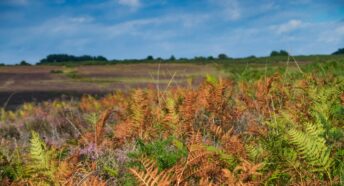
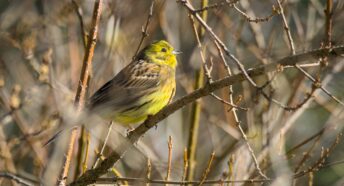
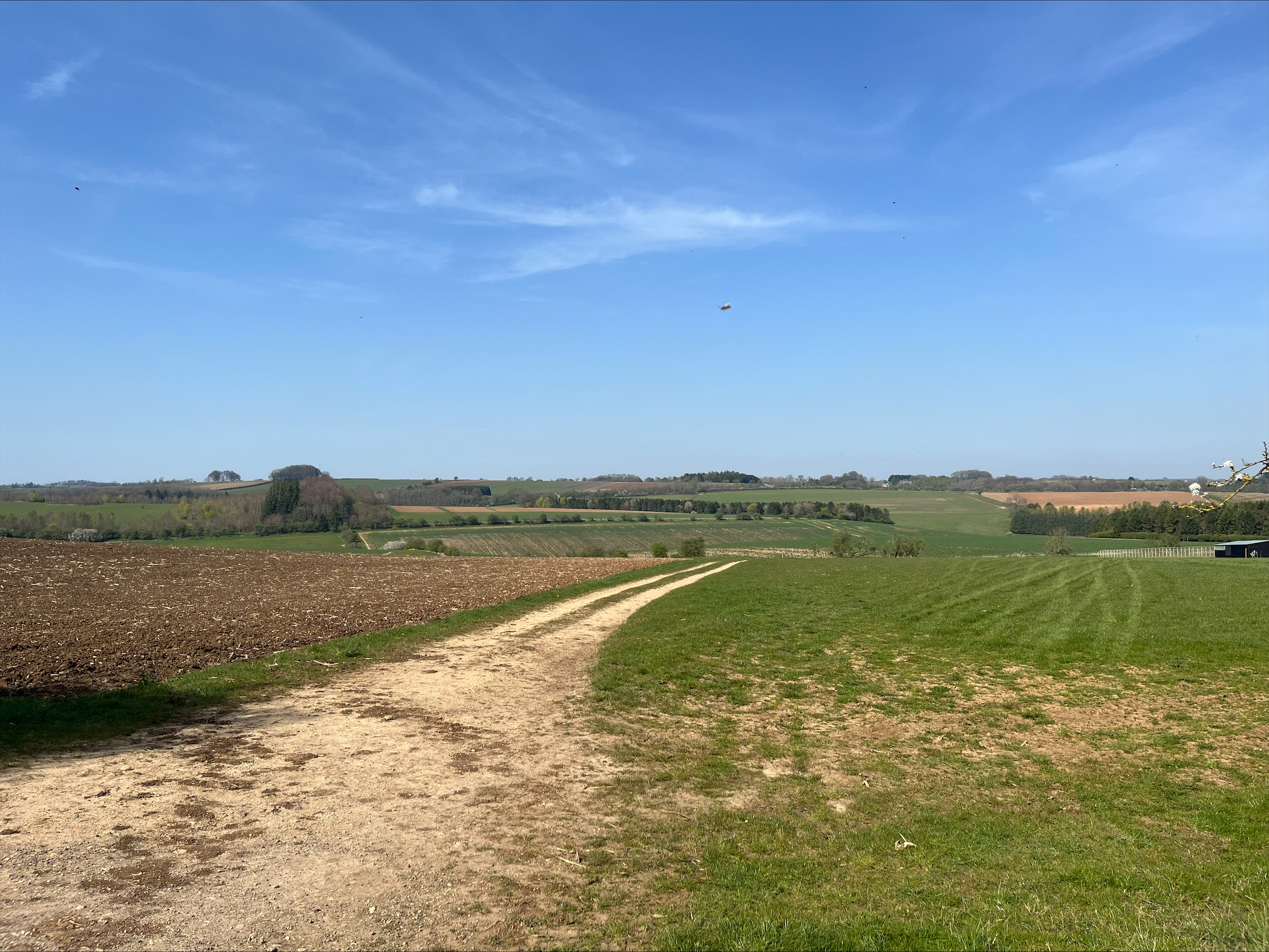
The countryside that matters to us isn’t necessarily famous or far away. It’s woven into everyday life often in ways we take for granted. It’s where our food is grown, where wildlife makes its home and where many of us go to walk, think, spend time together or simply be outside.
This September was a chance to stop and notice what these places give us – because the more we notice and value the countryside around us, the more reasons we have to care for its future.
Thousands of people joined us for four weeks of inspiration, while CPRE groups hosted walks and events across England. Here’s some of what happened.
Seeing the countryside with new eyes
Each week we offered a different way to reconnect with the countryside.
Adventurer Alastair Humphreys began the month by encouraging us to find adventure close to home, showing how much can begin in an ordinary place on an ordinary day. Writer and smallholder Sally Coulthard invited us to slow down and notice September: the changing season, wildlife and harvest unfolding around us.
We also asked writers, artists, photographers, naturalists and other countryside lovers to tell us what the countryside means to them. Their answers ranged from dark skies, wildlife and the changing seasons to history, creativity, wellbeing and community.
Photographer Alice Greenfield spoke about how being outside with her camera helps her ‘notice more and slow down’. Authors and metal detectorists Ellie and Lucy of Roman Found described heading into the landscape to search for lost stories, while writer and broadcaster Jules Hudson chose something less tangible: the sense of community he finds across rural Britain.
Others celebrated the countryside in very different ways: travel and nature writer Megan Eaves-Egenes reflected on the importance of naturally dark skies and our connection to the cosmos; videographer Richard Hammond talked about reconnecting with the seasons; and head gardener Sarah Owen Hughes evoked the countryside through all five senses, from birdsong and rain on dry earth to the taste of a fresh blackberry.
That variety continued when we asked people to share the books, poems, podcasts, films and other voices that had shaped the way they experience the countryside.
Mariella Frostrup chose Nan Shepherd’s The Living Mountain for its reminder of the ‘quieter art of simply looking’. Conservationist Jake Fiennes looked to The Making of the English Landscape and The Farming Ladder, while author Nicola Chester recommended the Absolute Units podcast for the way it connects the countryside’s past, present and future. Alongside them, contributors from CPRE and beyond shared everything from childhood classics and nature writing to poetry, documentaries and podcasts.
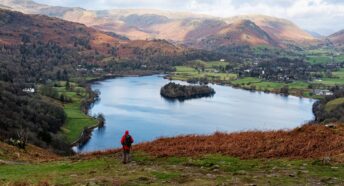
In our final week, we turned to CPRE groups across England and asked them to share some of the places they love best. Their choices took us beyond the best-known destinations to local walks, landscapes and hidden gems — places shaped by the knowledge and affection that comes from knowing a patch of countryside well.
Together, the four weeks offered different ways into the same idea: explore, notice, be inspired and discover the countryside around us.
And then there was the simplest invitation of all: to get outside and experience it for ourselves.
Out in the countryside
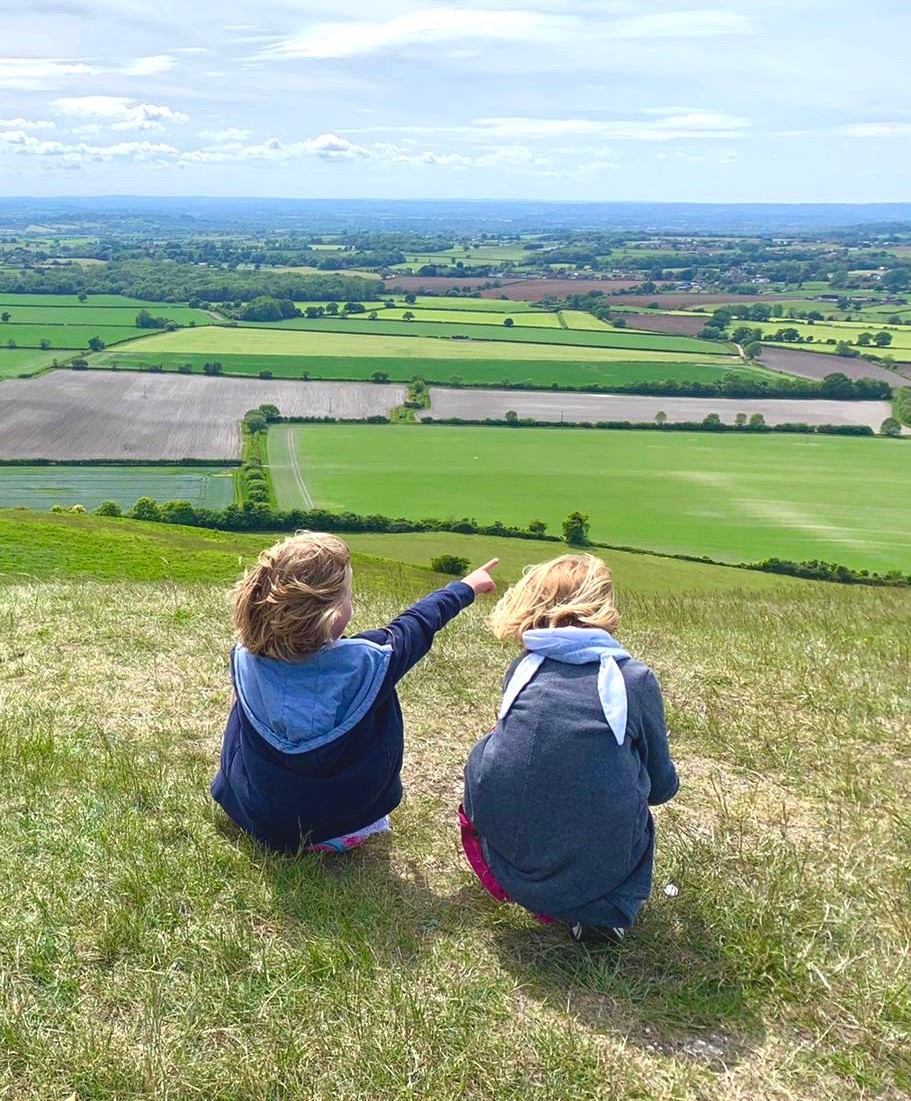
Across England, CPRE groups brought people together to walk, explore and discover their local countryside.
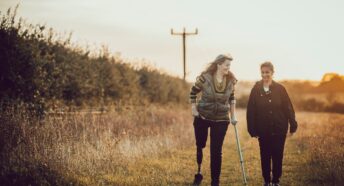
People walked coastlines and old drove roads, discovered wild food with a local forager, explored local history and saw how farming and nature can work hand in hand. There were accessible walks, countryside days and opportunities to discover familiar places from a different perspective.
In Hampshire, old photographs helped people see how the landscape around Winchester had changed over time. One walker summed up something that ran through the whole month:
Why we love our countryside
Perhaps the clearest picture of what the countryside means to people came from the thousands who completed one simple sentence: I love my countryside because…’
Nearly 3,000 people responded. They wrote about birdsong and wildlife, fresh air and changing seasons. About having space to walk, think and breathe. About the daily routes that punctuate their lives and the landscapes that make somewhere feel like home.
There were memories too: of growing up near beech woods, building dens as children and returning to places that have remained important throughout people’s lives.
One 95-year-old, who had moved from London to the Essex coast, told us they still felt as though they were on holiday every day of the year.
Another response was just a few words: ‘It never fails you, even when everything else does.’
Taken together, the responses were a reminder that our relationship with the countryside isn’t only about spectacular scenery. It’s personal. It’s built through familiarity, memory, discovery and the countless ordinary encounters we have with the places around us.
And alongside that love was a strong sense of wanting these places to thrive in the future.
Into our second century
Thank you to everyone who signed up, walked, read, explored, shared a recommendation or told us why the countryside matters to you.
Special thanks, too, to all the writers, artists, photographers, naturalists and countryside lovers who lent their voices and ideas to the campaign, and to the CPRE groups and volunteers who shared their local knowledge and brought people together throughout the month.
Love Your Countryside month may be coming to an end, but loving the countryside isn’t something we do for just four weeks.
A hundred years after CPRE’s founders came together around their love of the countryside, thousands of people have told us what it means to them today. As we enter our second century, we want more people to feel that connection to the countryside around them – and to be part of protecting and regenerating it for generations to come.
Because the more we notice the countryside in our lives, the more reasons we find to care for it.