


Never Walk Alone from Fences and Frontiers
Never Walk Alone: opening the countryside to refugees and asylum seekers
Never Walk Alone is a walking project run by Fences & Frontiers, helping refugees and asylum seekers access, enjoy and belong in the countryside and green spaces in and around London. Across eight years and 86 guided walks, it has offered over 1,000 places across 55 rural and urban sites, from the South Downs to Epping Forest, with travel, food and equipment costs fully covered. The project addresses barriers that are practical — limited income, unfamiliar transport routes — and psychological, building trust and a genuine sense of belonging through repeated shared experience rather than one-off visits. Many participants progress from attending to volunteering and eventually leading walks themselves; nine former participants now sit on the charity’s board or in voluntary roles. 2025 was the project’s biggest year yet, with 269 places filled. As one participant put it, the walks turned from ‘an escape from our lives as asylum seekers’ into ‘a reunion with friends, filled with the positive energy of nature and coexistence.’ Partnerships with organisations including the Zoological Society of London, Royal Botanic Gardens Kew and London Wildlife Trust mean walks double as informal conservation education, from hedgehog surveys to bat walks.
Nomination details
Why this matters
Never Walk Alone has made an outstanding contribution to the countryside by significantly widening access to the rural and urban natural spaces for refugees and asylum seekers, a group who are among the most excluded from the UK countryside.
The project has enabled hundreds of people to safely access, experience and build lasting connections with natural spaces across London and surrounding rural areas. In doing so, it has helped to diversify those able to enjoy the countryside, strengthen inclusive access to nature, and promote a more equitable relationship between communities and the natural environment.
The scale of this contribution is significant for a grassroots charity. Since 2018, Never Walk Alone has delivered 86 walks, totalling well over 1,000 participant places at an average of 15 walkers per trip. The programme has grown rapidly in recent years: the number of walks has nearly doubled since 2021, and participant attendance has more than doubled over the same period – reaching 269 places filled in 2025, our highest year on record.
Never Walk Alone addresses the multiple barriers that prevent refugees and asylum seekers from accessing the countryside, including poverty, language barriers, unfamiliarity with countryside spaces and routes, and fears of exclusion or hostility.
The project fully covers core travel, food and equipment costs, provides trained guides and volunteers, and builds confidence through repeated shared experiences in nature. Every walk is fully subsidised at an average cost of £16.54 per place, covering transport, food and entry – nearly double the £8.86 weekly support allowance most asylum seekers live on.
Crucially, the project recognises that access is not only physical, but also social and psychological. Worrying about standing out, or past experiences of hostility can shape whether someone feels welcome. By creating a supportive group environment, Never Walk Alone enables participants to feel safe, included and able to develop a genuine sense of belonging in natural spaces. Over time, this has led to increased confidence, independence and long-term engagement with the countryside – many people go on to join other conservation groups and nature based activities beyond the facilitated walks.
The project also contributes directly to countryside stewardship and understanding among the group. Through partnerships with organisations including Zoological Society of London, Royal Botanic Gardens, Kew and London Wildlife Trust, participants have engaged in conservation activities (from workshops to placing wildlife calendars), wildlife education and learning about British landscapes, flora, fauna and countryside codes. This helps build knowledge, care and shared responsibility for the protection of natural spaces.
Participant feedback consistently highlights improvements in wellbeing, knowledge and key integration skills, alongside a strong sense of belonging and connection to both each other and the natural environment. Never Walk Alone demonstrates how inclusive access to nature can strengthen communities while also supporting the long-term future of the countryside itself.
The project also challenges assumptions about who the countryside is for. Our work is about working towards a more inclusive understanding of rural and urban green spaces, one in which access is shared, participation is broadened, and responsibility for nature is collective.
Impact
Never Walk Alone has a significant and measurable positive impact on the lives of refugees and asylum seekers, offering both the therapeutic benefits of access to nature and the practical knowledge, confidence and skills needed to explore, enjoy and contribute to the care of the UK countryside.
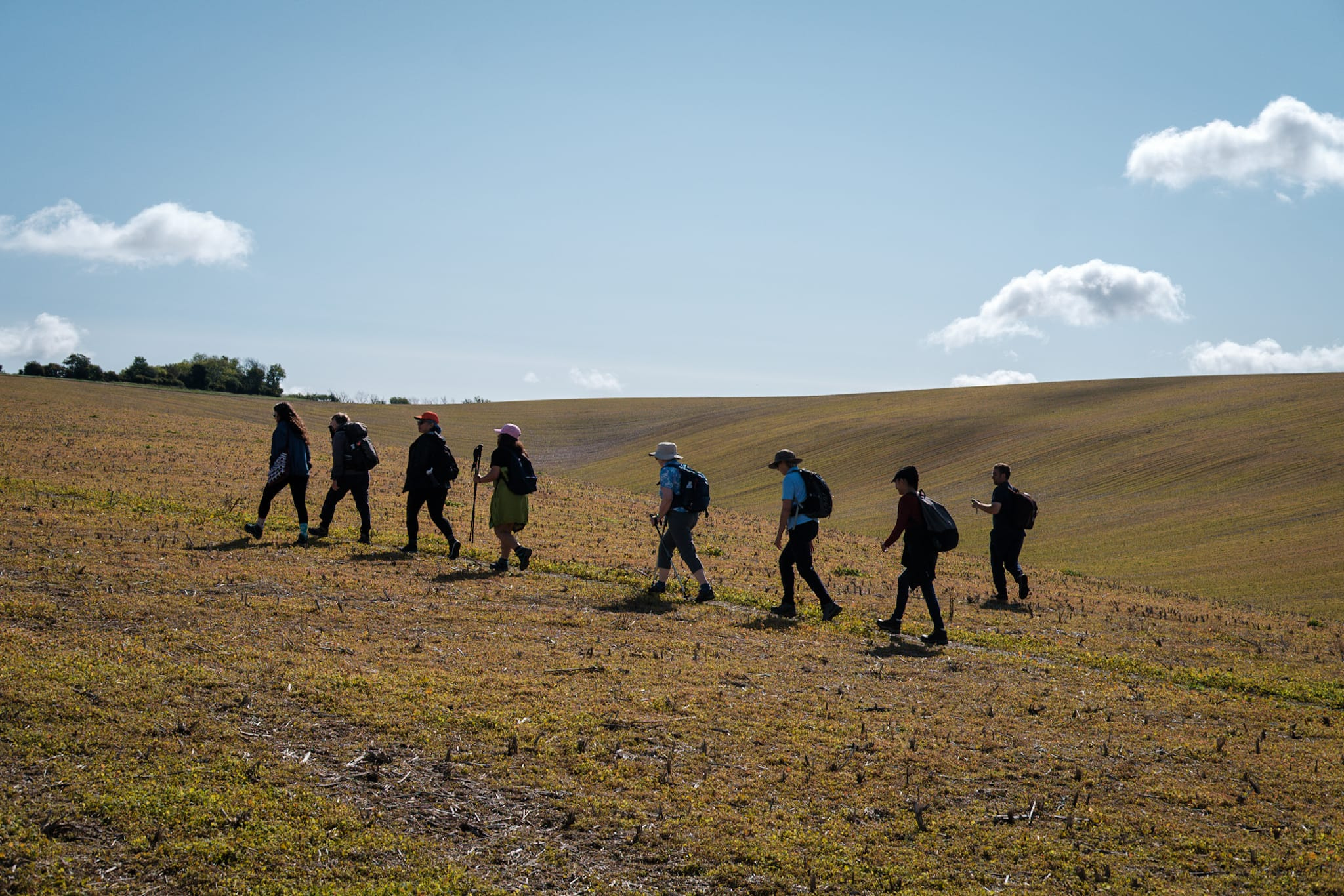
The project has grown rapidly in recent years, the number of walks and attendees has doubled since 2021. In 2025/26 was our biggest year to date. The project delivered 16 walks across London and the South East, supporting 269 participants and covering over 1,500 miles collectively. Over the course of the project, the group has collectively walked approximately 6,500 miles, the distance from London to Kabul!
These activities provided regular, structured access to green and rural spaces for people who are often otherwise excluded from them. Our participants are going through some of the hardest periods of their lives. Many experience extreme isolation, living in a state of limbo, often far from family and loved ones. Fences & Frontiers’ work is about providing an escape from daily fears, a welcoming community, and the key skills and knowledge needed to help rebuild lives in the UK. Never Walk Alone provides this group with the therapeutic benefits of nature, a caring community to share it with, and access to rural spaces they can enjoy and care for in the long term.
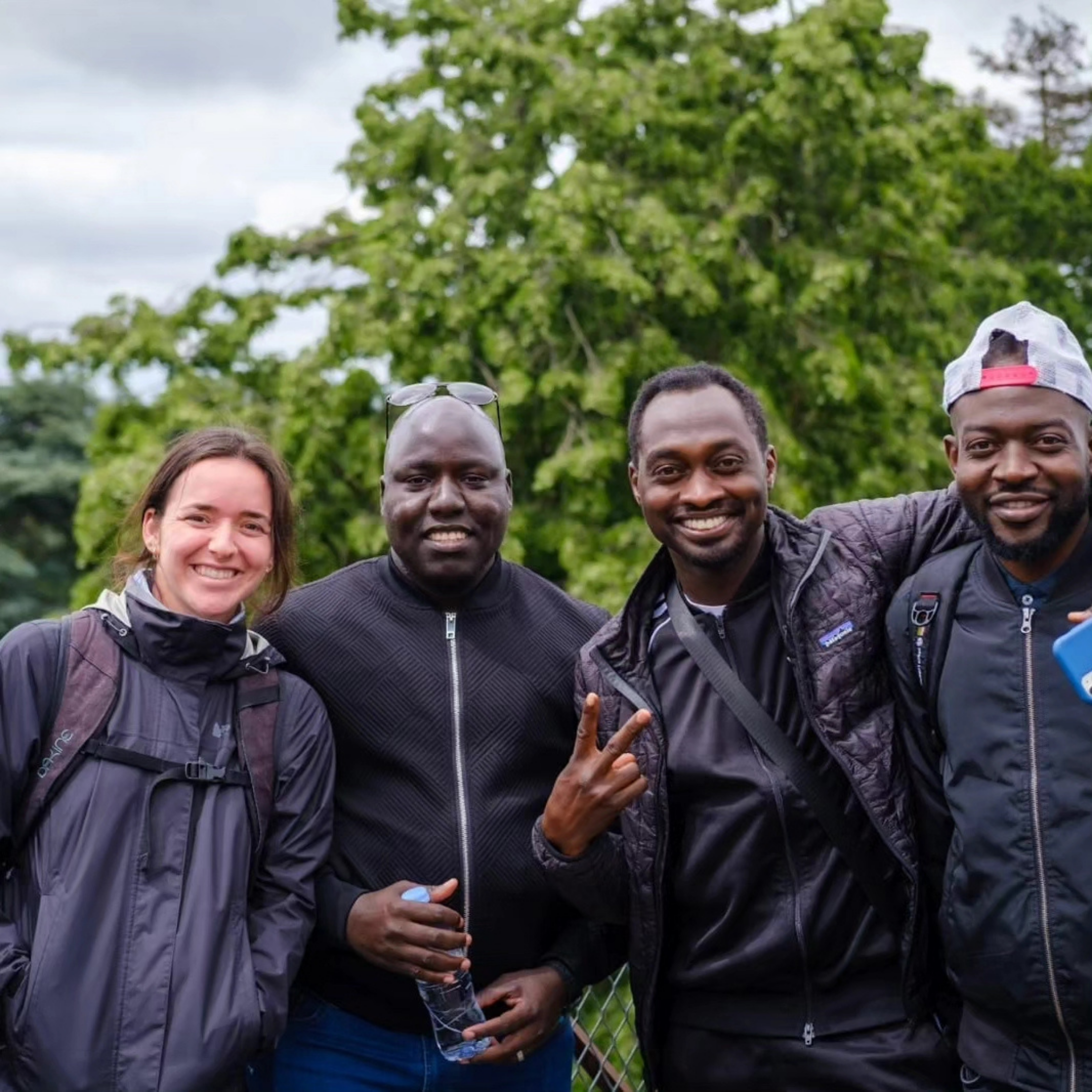
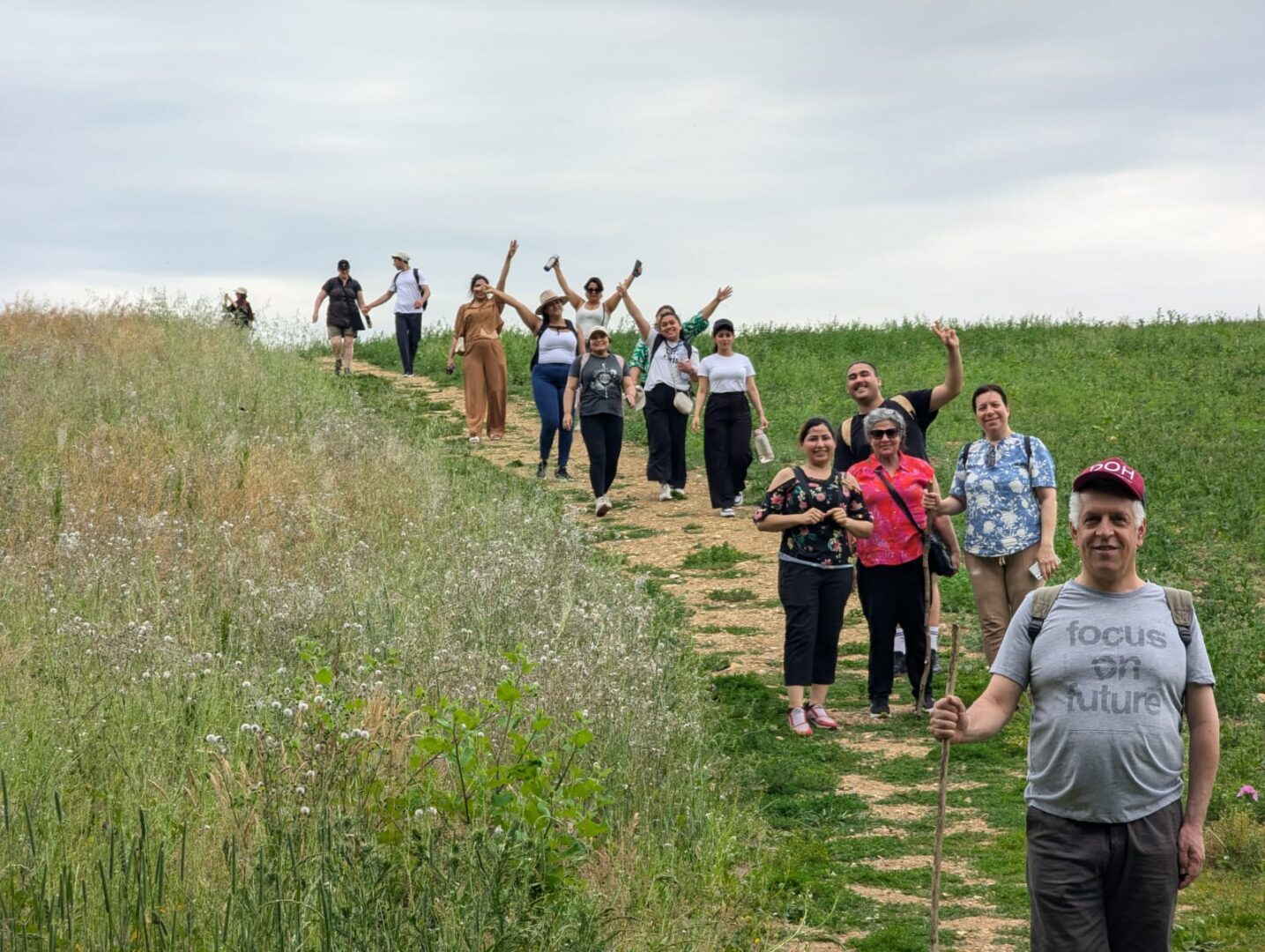
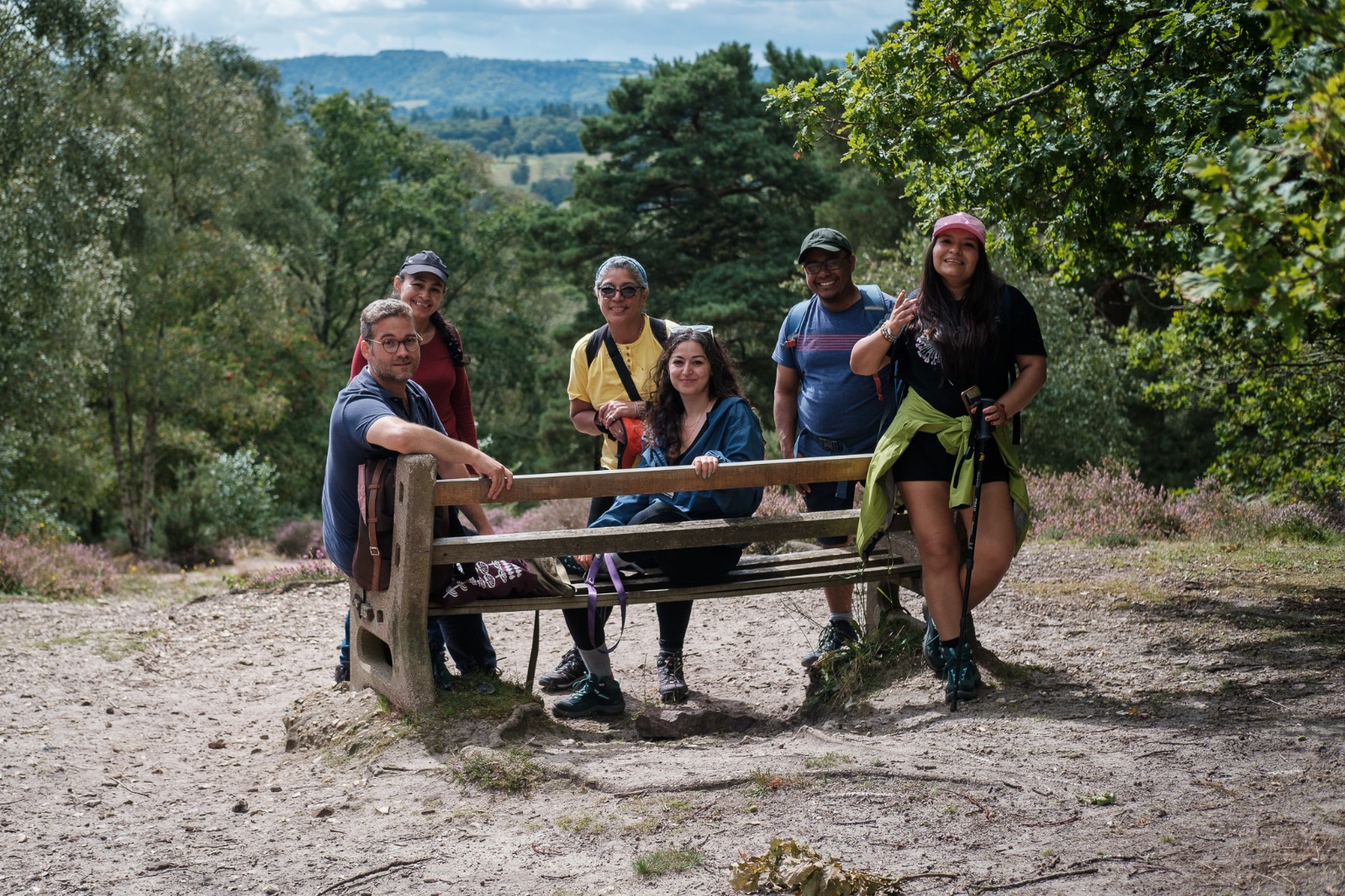
Through singing together in the forest, helping each other across stiles, exchanging knowledge of plants and wildlife in different languages, and supporting one another through new experiences, participants build meaningful and lasting connections with each other and the landscapes around them. The impact is clearly evidenced through participant feedback. In the February 2026 survey, 100% of respondents said the activities helped them make friends and feel part of a community, while 96% reported improvements in their mental health. Participants frequently describe the project as transformative. One participant from El Salvador said: ‘The walks have saved my life and helped my husband get out of depression.’
Another participant told us: ‘These trips help me get out of my house and be excited about nature and visiting a new place, which improves my mood and gives me a sense of belonging. I love chatting with volunteers and learning more about the UK.’
A third explained: ‘At first the outings were an escape from life as an asylum seeker, now it is a reunion with friends, filled with the positive energy of nature and coexistence.’ Over time, many participants begin volunteering and leading walks – we currently have nine former participants in voluntary roles. This progression demonstrates the project’s long-term impact in building confidence, leadership skills and community integration, as well as our commitment to learning from the communities who access our walks.
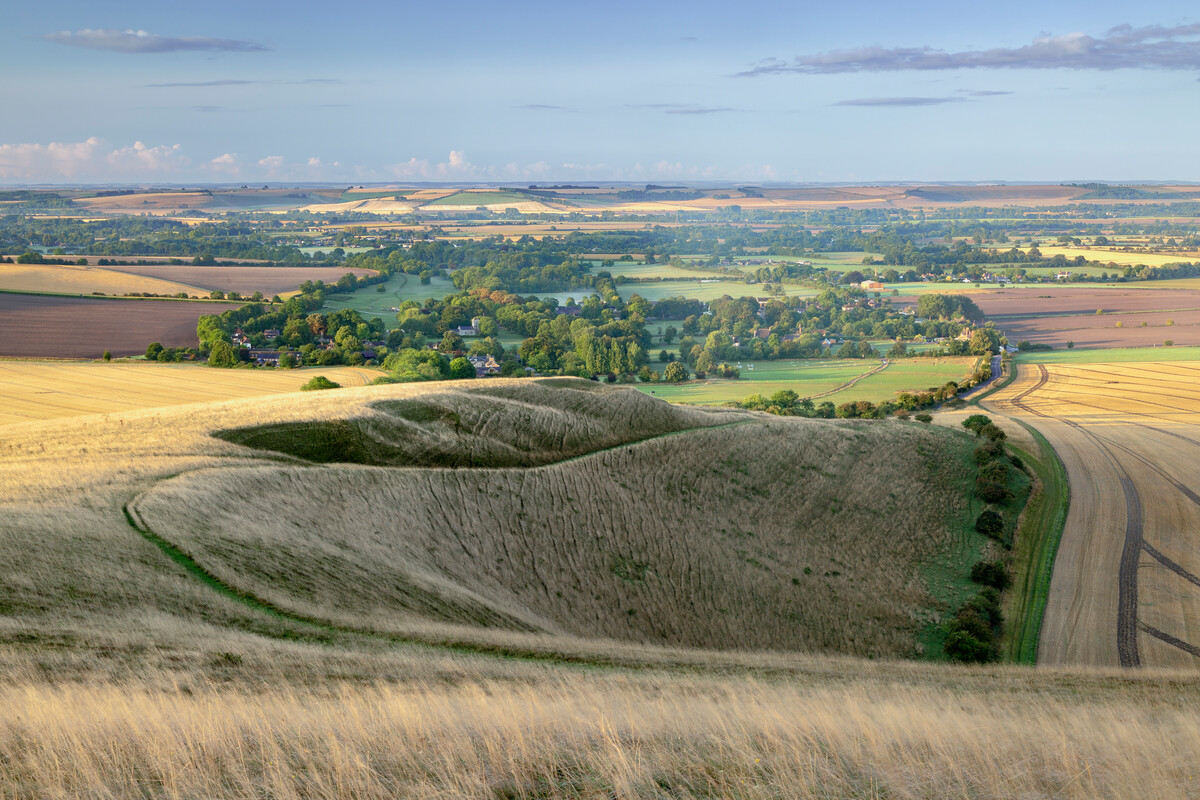
Never Walk Alone also deepens participants’ relationship with and care for the countryside itself. Through visits to both rural and urban green spaces, alongside practitioner-led workshops and environmental learning, participants develop familiarity with British landscapes, wildlife and countryside practices. These are not only one-off positive interventions, they help create a longer-term sense of care and stewardship for the natural world.
More widely, the project contributes to a more inclusive countryside. Never Walk Alone not only gives refugees and asylum seekers the knowledge and sense of safety needed to access and enjoy these spaces, but also helps shift perceptions around who the countryside belongs to.
In recognition of the contribution Fences & Frontiers makes to its community, we were invited to attend the King’s Garden Party at Buckingham Palace in May 2026. The project was also runner up in the Head Outside Changemaker Award in 2023, recognising the “meaningful change made to participants’ mental health through nature based activities”.
Inclusion and accessibility
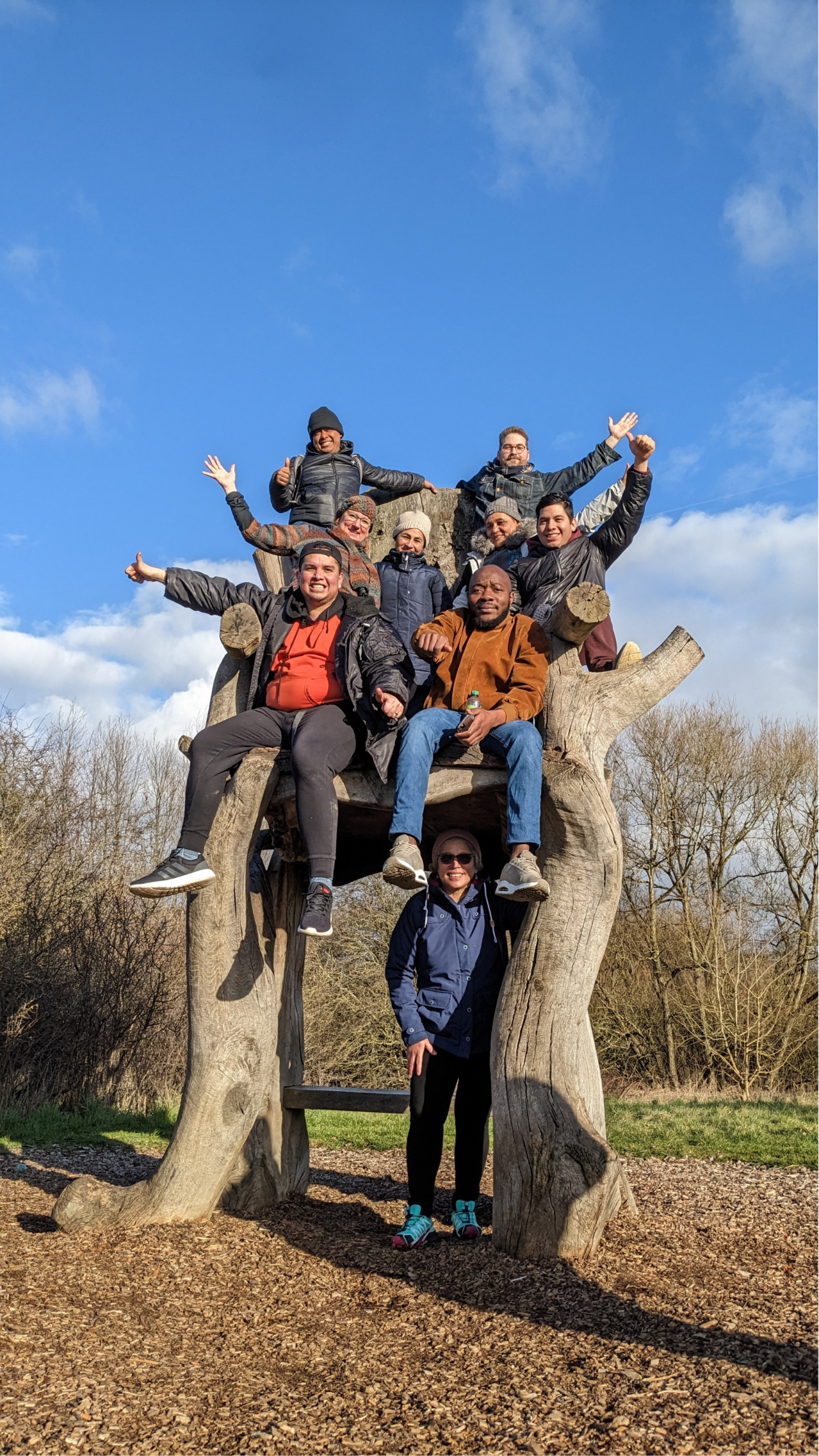
Inclusion sits at the core of Never Walk Alone and the wider work of Fences & Frontiers. Our mission is to help make the UK a more welcoming and inspiring place for refugees to rebuild their lives. We believe that countryside and urban green spaces should be accessible, enjoyed and cared for by everyone.
The project recognises that refugees and asylum seekers face both visible and invisible barriers to accessing, enjoying and developing a sense of belonging in natural spaces. Never Walk Alone is specifically designed to help overcome these barriers.
Many participants live on extremely limited incomes, making transport, food, outdoor equipment and appropriate clothing unaffordable. Others face language barriers, unfamiliarity with countryside routes and practices, or fears about feeling unwelcome or unsafe in rural spaces. The project addresses these challenges by covering transport and refreshments, providing safe guided walks, and creating welcoming group environments where participants can explore new spaces together.
Importantly, the project recognises that meaningful access to the countryside is not only physical, but also social and psychological. A shared outdoor culture is not just about who is present, but about how spaces feel. Never Walk Alone seeks to challenge unspoken hierarchies around who “belongs” in the countryside, so that everyone feels able to explore, enjoy and connect with nature.
The project is shaped directly by participant involvement and feedback. Over the years, conversations with participants have informed the design of walks, activities and partnerships, ensuring the project responds to the changing needs and interests in the community. For example, participants have recently requested deeper nature experiences further from London, alongside more historical, creative and wellbeing-focused activities. A strong progression pathway has emerged within the project, with many participants moving from attending walks to volunteering and eventually leading walks themselves. This helps ensure that lived experience and community knowledge are continuously passed on, while also building trust with new participants, who can clearly see the long-term opportunities and sense of belonging created through the programme.
This approach has strengthened leadership and representation across the organisation. Nine former participants now hold volunteer roles within the charity, alongside a refugee Chair and three refugee trustees serving on the governing board. As a result, lived experience directly informs both the delivery of walks and the wider strategic direction of the organisation.
Through repeated trips and our wide range of shared learning opportunities delivered with partners, participants gain the practical and cultural knowledge needed to feel comfortable and confident in outdoor spaces. They learn about planning routes, wildlife, conservation and countryside practices, helping build not only familiarity, but also a lasting sense of connection and responsibility towards the natural world.
The project also helps challenge wider perceptions around inclusion in rural spaces. Many refugees and asylum seekers (alongside other minoritised groups) feel that rural spaces are places where they may be unwelcome or unsafe. Unfortunately, even in our group, we have occasionally experienced hostility. Walking together in supportive, diverse groups led by experienced volunteers helps open up these spaces while also creating opportunities for conversation, visibility and understanding.
The simple presence of our groups within the countryside, sharing stories, laughing along muddy paths, and caring for the countryside together, helps challenge assumptions and change perceptions.