

New towns done well
The government has announced plans for at least 10 new towns, with three expected to begin development by the end of this Parliament (2029). A dedicated New Towns Taskforce reviewed more than 100 proposed sites and shortlisted 12, with final decisions due by spring 2026.
In summer 2025, CPRE published Principles for new towns done well, setting out our framework for successful delivery.
Principles for new towns done well
CPRE supports the Taskforce’s proposed minimum of 40% affordable housing in each new development. The housing crisis is fundamentally an affordability crisis, and new towns must play a direct role in addressing this through a significant proportion of genuinely affordable and social homes.
Communities must be involved in careful planning from the outset. Given new towns’ scale and impact on surrounding landscapes, they should be guided by comprehensive masterplans that integrate infrastructure, support future growth, and limit urban sprawl.
Green infrastructure should be central, providing space for nature, climate resilience and improved health and wellbeing. Essential infrastructure – including water, sewage, transport and energy – must be delivered first, backed by committed upfront funding from central government in partnership with local and/ or mayoral authorities.
Homes in new towns should be counted towards local housing targets, avoiding unnecessary over-delivery elsewhere. New towns are best delivered through development corporations with a clear long-term duty of stewardship to ensure appropriately phased delivery and lasting community benefits.
Key messages
- The UK’s huge supply of brownfield land is the best place for the homes this country desperately needs – at least 1.4 million homes can be delivered on brownfield sites in England alone.
- New towns should be guided by long-term comprehensive and publicly available masterplans from the start. These should cover land use, transport and sustainable infrastructure.
- Good new towns offer sustainable transport, increase biodiversity, and have strong community buy-in.
- A brownfield-first approach would mean new towns were sited in locations that avoid high-quality farmland, protected landscapes and areas at high risk from climate change impacts such as flooding.
- Infrastructure is planned, funded and delivered first or alongside the development of the new town as appropriate.
What we want to see
- A brownfield-first approach used before the development of New Towns (apart from the new towns that are brownfield (i.e. Leeds, Manchester, Plymouth)). New town prioritisation should be brownfield (including urban regeneration), then sustainable urban extensions, followed by standalone sites.
- Standalone new towns must be well planned with a succinct master plan and delivery plan of all associated infrastructure upfront. These standalone sites require comprehensive community engagement throughout the planning to ensure that urban sprawl is avoided.
- CPRE’s Principles are adhered to in the new town development process.
- Thorough master planning of sites promoting sustainable transport options, increased biodiversity (through a range of suitable native plants, wildlife habitats and protected green spaces for climate and nature, such as green wheels – which is land protected for nature and wellbeing around each new or extended settlement). Residents and local people need good access to green and open spaces.
- Transport planning needs to account for movement within the new town as well as access from elsewhere.
- Community engagement and buy-in from the outset.
- Long-term stewardship of the New Towns – meaning adequate funding and long-term strategic thinking about New Town and its new community led by the development corporation and funded by national and local government.
- A mixture of houses and flats available to buy and rent at market rates, supported by affordable and social rent homes, achieving the 40% gold standard outlined by the New Towns Taskforce.
- New Towns should have higher densities, such as 4-8 stories, e.g. mansion blocks, which limit urban sprawl and increase the viability of mass transit options.
- New Towns should be well designed, creating a character of the town which blends into the surrounding landscape.

Messaging when opposing specific sites
- Opposition should be constructive, solution-focused and rooted in local context whilst aware of the national context.
- When opposing a site, we should always highlight positive alternatives and best practices elsewhere, such as utilising available brownfield land and building the homes that have planning permission.
- Whether the local authority is in opposition and how the wider regional management plans (Mayoral Areas) are potentially impacted by new towns.
- The loss of agricultural land and protected landscapes (which have climate and historical value)
- Whether the proposal addresses housing need by delivering affordable and social homes and whether it helps tackle wider societal issues such as homelessness.
- Does the proposal have the infrastructure to support a new town (water, public transport links)?
- For example, Leeds South Bank demonstrates how a brownfield-first approach combined with strong public transport can deliver homes sustainably – a model we want to see replicated.
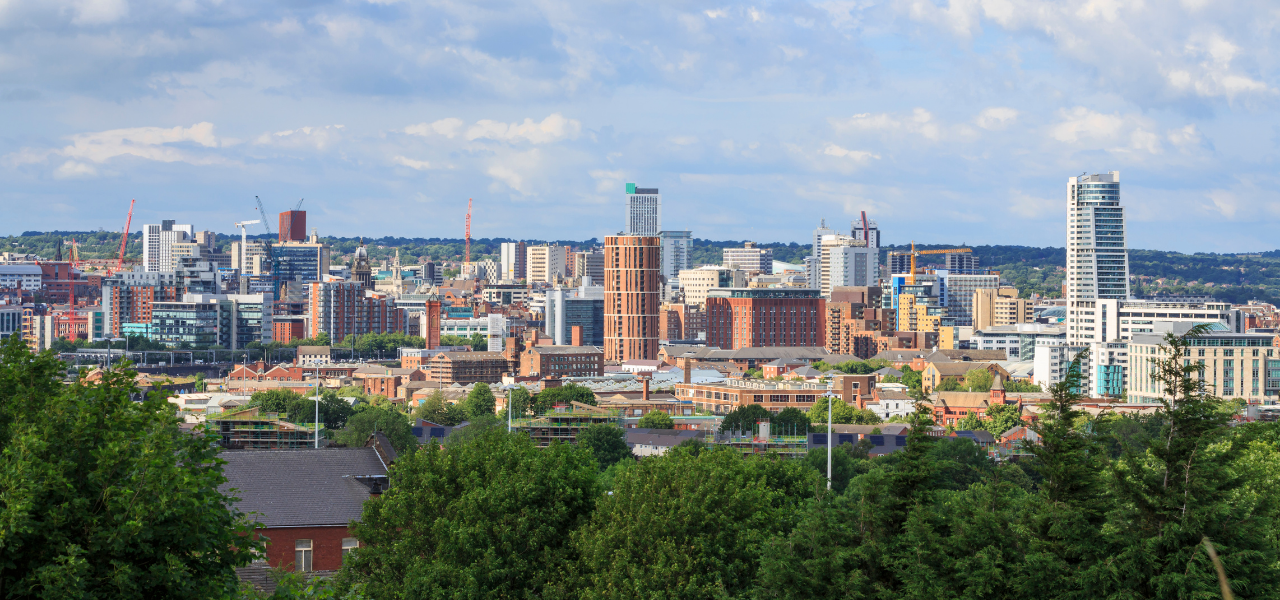
CPRE’s preferred locations for New Towns
Support |
Improve |
Oppose |
| Leeds Southbank* | Worchester Parkway | Adlington, Cheshire |
| Brabazon & the West Innovation Arc | Heyford Park, Oxfordshire | Crews Hill & Chase Park, London* |
| Plymouth | Tempsford* | Thamesmead Waterfront |
| Marlcombe, East Devon | ||
| Milton Keynes | ||
| Manchester Victoria North |
*Denotes Govt priority site.