


Don’t miss the Perseids – England’s darkest skies need protecting
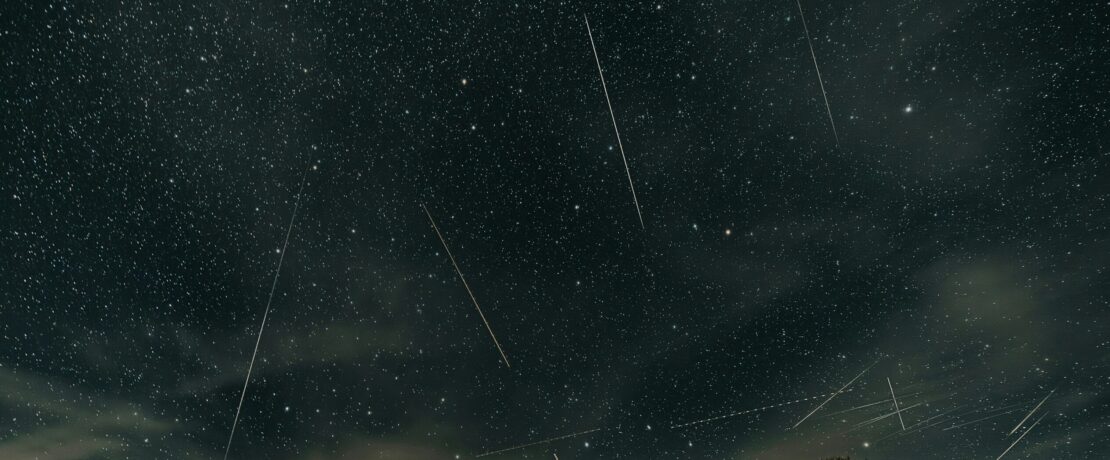
As stargazers head outdoors to catch the Perseid meteor shower, which peaks on the nights of 12 and 13 August, CPRE warns that changes to planning policy could make such sights a thing of the past.
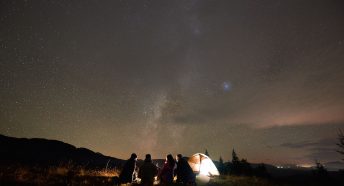
More than half (53%) of the UK’s darkest skies, free from the glow of artificial light, are found within National Parks and National Landscapes, according to CPRE’s own dark skies mapping. Outside these protected areas, light pollution has spread steadily for decades, driven by increasing development of the countryside. National Parks and National Landscapes have become some of the last places in the UK where astronomical phenomena, including meteor showers and the Milky Way, can be seen with the naked eye.
Proposed changes to the National Planning Policy Framework (NPPF) would put the protection of National Parks and National Landscapes on equal footing with ‘economic benefit’, meaning developers could argue that the case for new roads, warehouses or housing outweighs the case for protecting the landscape. This marks a shift away from the current strong presumption against major development in these areas.
If included in the forthcoming version of the NPPF, these changes will make it harder for the government and local councils to resist pressure from developers to build in the places where England’s darkest skies, and many other special qualities, can still be found.
The recent change of prime minister is an opportunity for the government to use the NPPF to strengthen safeguards for dark skies in protected and valued landscapes, and to put an end to divisive rhetoric that pitches the construction of much-needed affordable homes against nature and the environment.
CPRE campaigns lead Jackie Copley said:
‘A meteor shower is one of the few free wonders left to us. But for how much longer? The government has a choice: keep the rules that let planning authorities push back on light pollution and protect our darkest skies, or wave through the kind of development that could effectively switch off the stars for good.’