


From past to present: 100 years of women campaigning for the countryside

This International Women’s Day falls in our centenary year, so we’re championing the important role of women in protecting the countryside for the past 100 years – and how they’re helping to shape it for the future.
The countryside is a shared space where everyone should feel welcome. It’s clear that environmental and social progress are intimately connected through the impact that women’s leadership has had on action for nature and civic life. In this way, the future of our landscapes depends on diverse voices and joint stewardship. We want to celebrate the difference that women have made to our campaigns, so we asked six women connected to CPRE to share their stories with us.
Mary-Ann Ochota, CPRE’s President
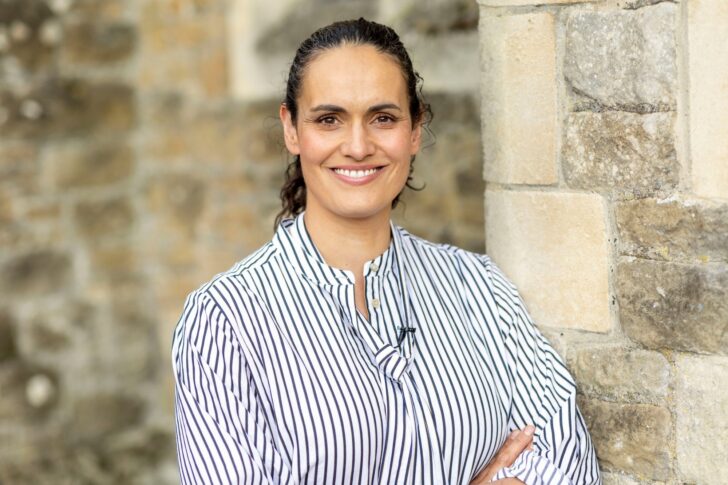
What does protecting the countryside mean to you personally?
Protecting the countryside isn’t primarily about ‘blocking’ and saying ‘no’, it’s more about saying, ‘how do we meet the needs of people now in a way that doesn’t harm the wellbeing of people in the future?’ That’s for the benefit of future generations, but it’s also for myself as an old woman, in a few decades’ time! We need to shift to a new normal pronto. And to achieve that, we need to bring diverse voices into the heart of the conversation – at both a national level and a global level.
Is there a woman – past or present – who has shaped the way you think about nature or your work?
So many of the early heroes of CPRE were women – probably the most iconic was Ethel Haythornthwaite, who was widowed aged just 22 when her husband was killed on the battlefield during the First World War. She was consumed by grief and said that time walking in the countryside saved her life. She basically devoted the rest of her life to ensuring that the countryside around Sheffield was protected for working people and for the future. She did the boring but important stuff – writing letters, convincing funders to back her projects, having careful meetings to build trust and get people onside. Learning about her work helped me really embrace the fact that sometimes the most important influence you can have might be during a boring but important conversation. It’s not always sexy, but it is still work that needs to be done!
Modern campaigners who inspire me include Kate Ashbrook at the Open Spaces Society, Dr Rose O’Neill at the Campaign for National Parks, Claire Whittle a farm vet and new entrant regenerative farmer, and Dr Amy Jane Beer and Nadia Shaikh at the Right to Roam Campaign. They’re all smart, courageous and tenacious. They know their stuff but remain humble, lead with both head and heart, and use their status to lift others up.
What would you like to see for the next generation of women caring for the countryside?
I had honestly thought that we’d won the battle for fairness in the workplace, for respect for women in public sphere, for a rebalancing of tired, harmful gender stereotyping, but women are being told (again) to not take up space, not be troublesome or difficult, to know their place. I want children to grow up knowing that both men and women are farmers, that women can do physical work, muddy work, outdoor work. I want it to be normal that National Parks are led by women chairs and chief execs, and that boards are diverse and full of rich insight built on the intersectional life experiences of the people around the table. I always circle back to the provocation: ‘If not now, when? If not us, who?’
Sarah Eberle, garden designer for CPRE’s ‘On the Edge’ garden at Chelsea Flower Show
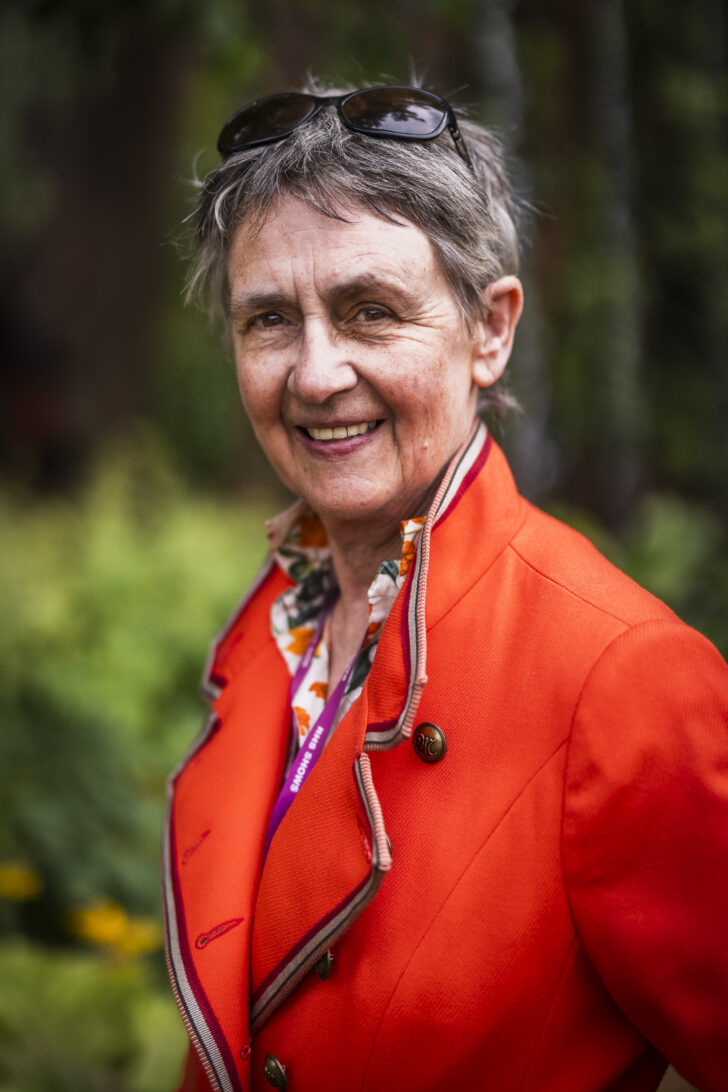
What does protecting the countryside mean to you personally?
I grew up surrounded by nature and it is my place of personal sanctuary. This love was the reason I came into the nature industry 50 years ago and I am driven to protect it.
Is there a woman – past or present – who has shaped the way you think about nature or your work?
I admire independent resourceful women in whatever profession they inhabit. Women that balance work and family life often have an affinity with nature and nurture.
What would you like to see for the next generation of women caring for the countryside?
Respect, a safe working environment and the power to influence.
Penny Hudd, communications/PR volunteer and Trustee for CPRE Sussex
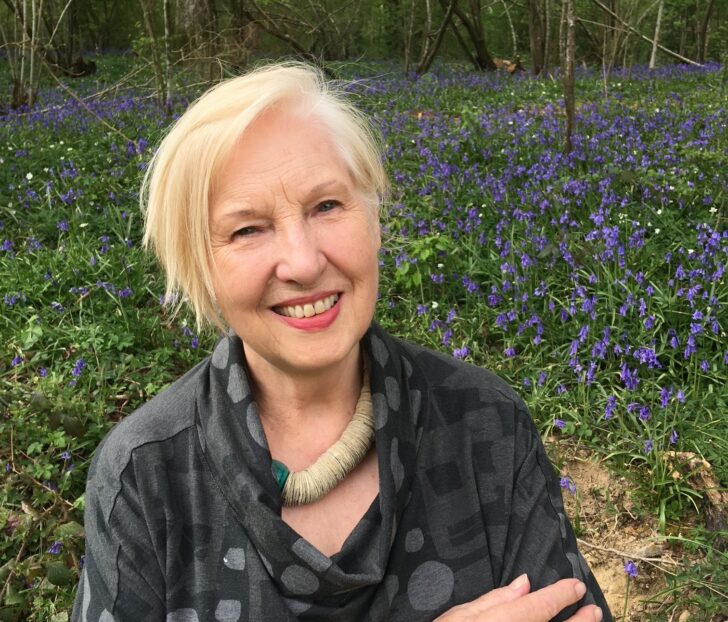
What does protecting the countryside mean to you personally?
It’s visceral: as a lover of nature and the countryside, it’s raw emotion. Seeing and remembering what we’ve lost, I feel we have to do all we can to save what can be saved and support others to do the same. As a child the world was filled with birds, insects and life. Watching lapwings protecting their nest is a joy, but I so miss the big flocks following a plough of the past.
Is there a woman – past or present – who has shaped the way you think about nature or your work?
So many! As a young person when the pesticide ‘DDT’ was liberally spayed around where we lived, it was Rachel Carson’s courage in raising the alarm, its impact on nature and questioning the powerful chemical industry. Reading her book, ‘Silent Spring’, was moving and a call to do something! She stirred so many people at that time with her books and set the stage for the environmental movements that took off around the world.
What would you like to see for the next generation of women caring for the countryside?
More women’s voices listened to and really heard. Encouraging young women to continue to speak out with passion, influencing others to make positive change. Challenging this country’s acceptance of the status quo, of depleting the countryside we all need and the continuing sad decline of nature and wildlife here. We must grow new generations of Rachel Carsons, Jane Goodalls and Erin Brockovitchs!
Lorraine Ray, Hedgerow Heroes Project Manager for national CPRE
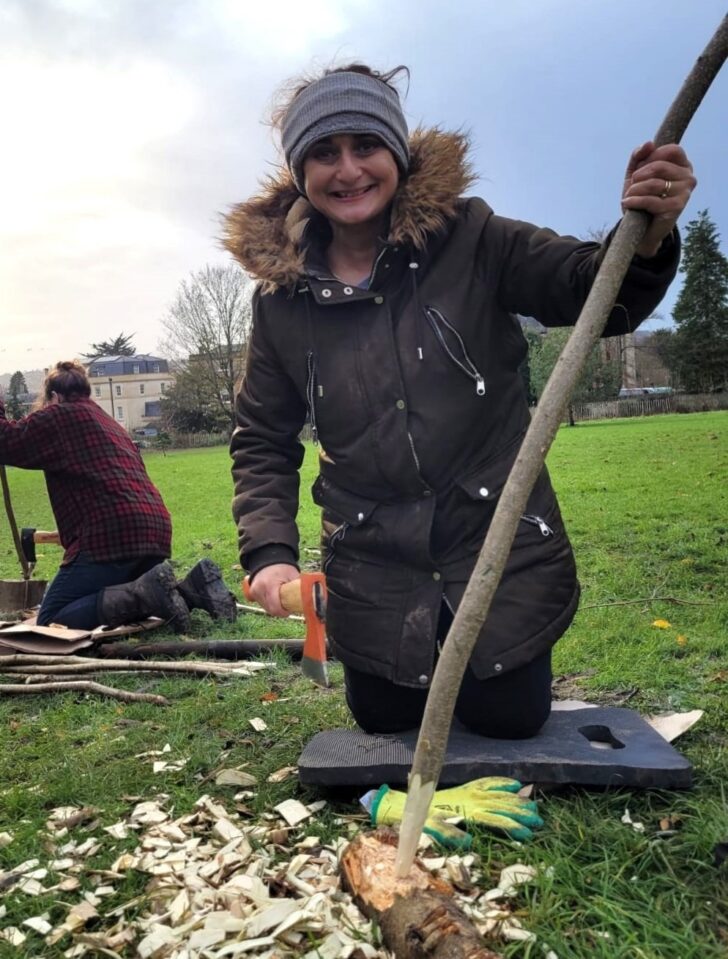
What does protecting the countryside mean to you personally?
Luckily for me, I’m close to the Peak District and I’ve spent many days exploring up there. A love for the countryside is in my blood and we were always encouraged to get outdoors and enjoy nature. Protecting and enhancing these places is so important for both physical exercise and mental wellbeing – you just feel better when you’re surrounded by trees, fields, rivers and, of course, fresh air! The countryside relies on people taking action. Its value can be easily overlooked and we just take for granted that it’s there. Today, we see far too many natural spaces being destroyed, and it’s vital that we speak up and stand up, looking after it now and forever.
Is there a woman – past or present – who has shaped the way you think about nature or your work?
Hannah Hauxwell has always stayed with me. At school, we were shown an old film about a woman living a very simple, traditional life in the Yorkshire Dales with no running water and no electricity, on a small farm surrounded by countryside. She had such a deep love for the landscape, the wildlife, the quietness and the simple things in life. I thought she was incredible – a true custodian of the countryside and of a gentler way of living.
What would you like to see for the next generation of women caring for the countryside?
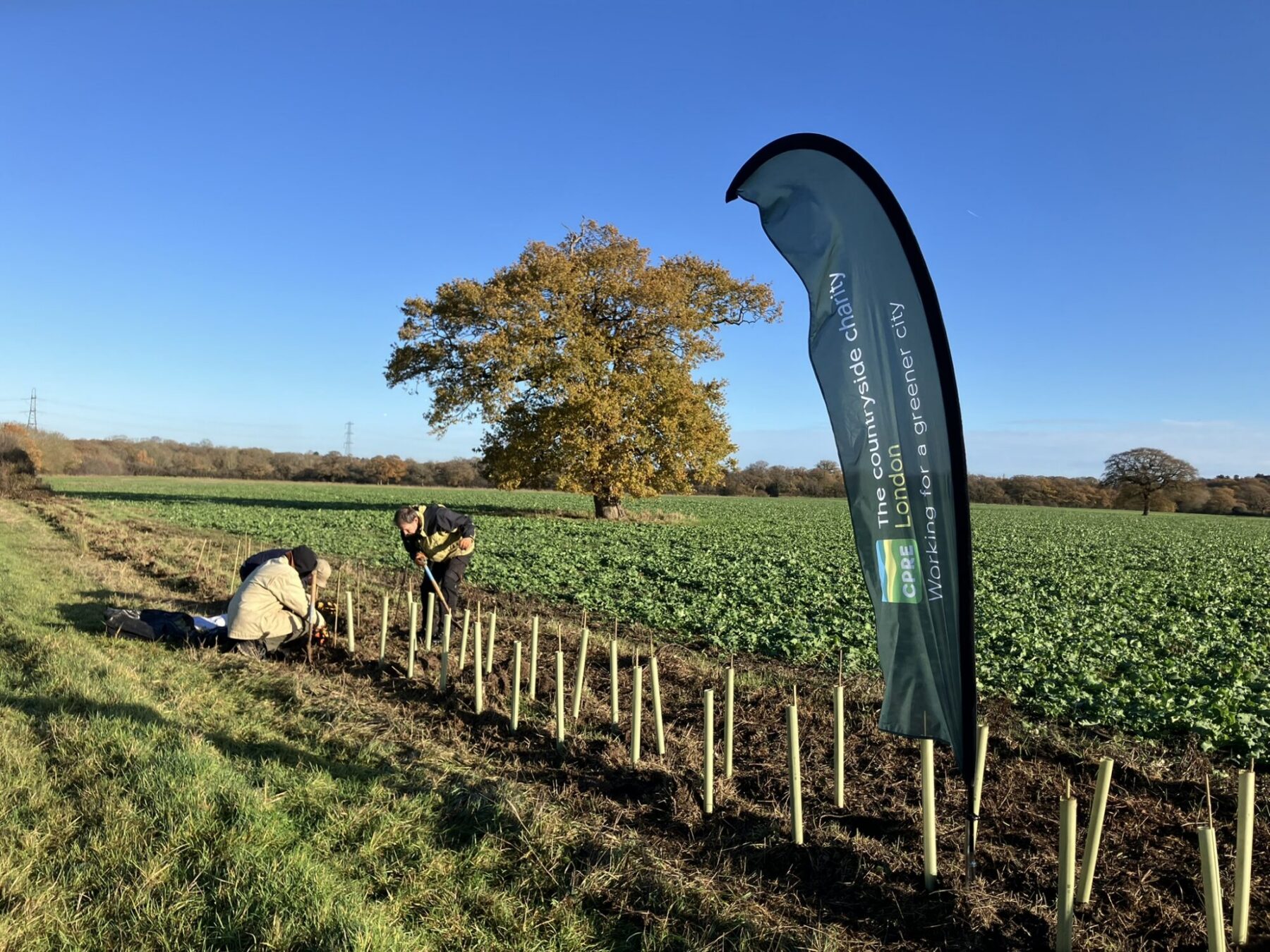
I’d love to see more women becoming hedgelayers! Traditionally, many countryside jobs were done by men, but that’s changing. Projects like Hedgerow Heroes are helping both women and men learn these heritage skills and there’s definitely still room for more female hedgelayers!
Sally Pavey, specialist advisor and Trustee for CPRE Sussex
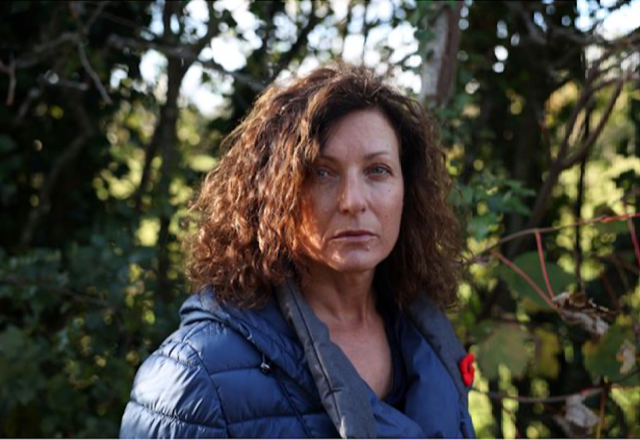
What does protecting the countryside mean to you personally?
The countryside holds a unique sense of peace and beauty, from rolling hills to open fields. It has drawn people for centuries, yet today it is under growing threat from development and industry. Without action, these landscapes risk being lost forever. Protecting the countryside is essential to preserving these spaces for future generations.
Is there a woman – past or present – who has shaped the way you think about nature or your work?
Dolly Parton may seem an unexpected choice, but her work ethic, positivity, and commitment to education are deeply influential. Education is key to helping people understand the value of the countryside and the wildlife it supports. Without this awareness, both nature and our own wellbeing are at risk.
What would you like to see for the next generation of women caring for the countryside?
I would like to see greater recognition from government of the countryside’s true value and what will be lost through unchecked development. Economic goals should not outweigh nature, health, and the wellbeing of society as a whole.
Lisa Warne, Director of CPRE Oxfordshire
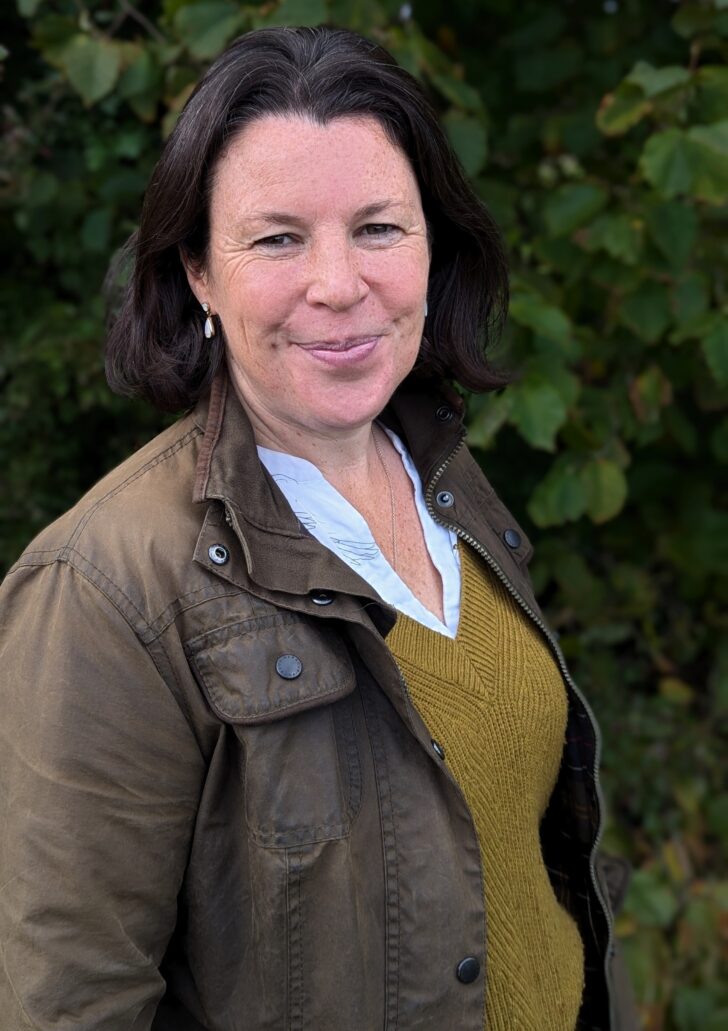
What does protecting the countryside mean to you personally?
I was brought up on a farm, and that is where my love for the countryside began. The countryside wasn’t somewhere I visited, it was my home and playground. The seasons shaped our routines. Weather mattered. Harvests mattered. Livestock mattered. Protecting the countryside, to me, means protecting that living, working landscape. Landscapes are not just views to admire but living systems, places where wildlife thrives, food is grown, communities gather, and history is written into the hedgerows and footpaths. It means ensuring that future generations can experience the same sense of space, calm and belonging that I was lucky enough to grow up.
Is there a woman – past or present – who has shaped the way you think about nature or your work?
Without hesitation, it’s my mum. She didn’t just love the countryside, she actively shared that love. She taught nature lessons at my primary school, helping other children understand wildlife, habitats and the importance of caring for the environment. For her, learning about nature wasn’t confined to textbooks; it was about getting outside, noticing things and asking questions. Walks and horse riding were a normal part of our life they weren’t just about getting from A to B. She taught me to notice things: the first bluebells in spring, the smell of rain on dry earth, the difference between a managed field and a wild margin buzzing with insects. My mum showed me that the countryside is both beautiful and practical. Gates should be closed, animals cared for properly and land managed responsibly. Growing up on a farm gave me my love for the countryside. My mum gave me the values to protect it.
What would you like to see for the next generation of women caring for the countryside?
I would like to see more opportunities for women and girls. I would like young women whether they grow up on farms like I did or in towns and cities to feel that the countryside belongs to them too. That their voices matter in conversations about land use, food production, biodiversity and climate. The countryside benefits from diverse perspectives, practical knowledge and collaborative leadership, qualities so many women already bring. But most of all, I would like them to inherit a countryside that is thriving richer in wildlife, resilient to climate change, and accessible to all.