


Standing up for the countryside: across the generations for 100 years

Volunteers are at the heart of CPRE and have been a driving force in our work for the past 100 years. From campaigning for the first Green Belts and National Parks to winning protections for hedgerows and championing better planning legislation, local food systems and sustainable development. Our history is proof that when the countryside needs a voice, people step up and make change happen.
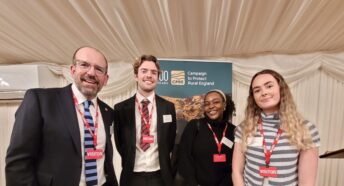
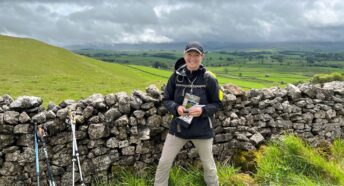
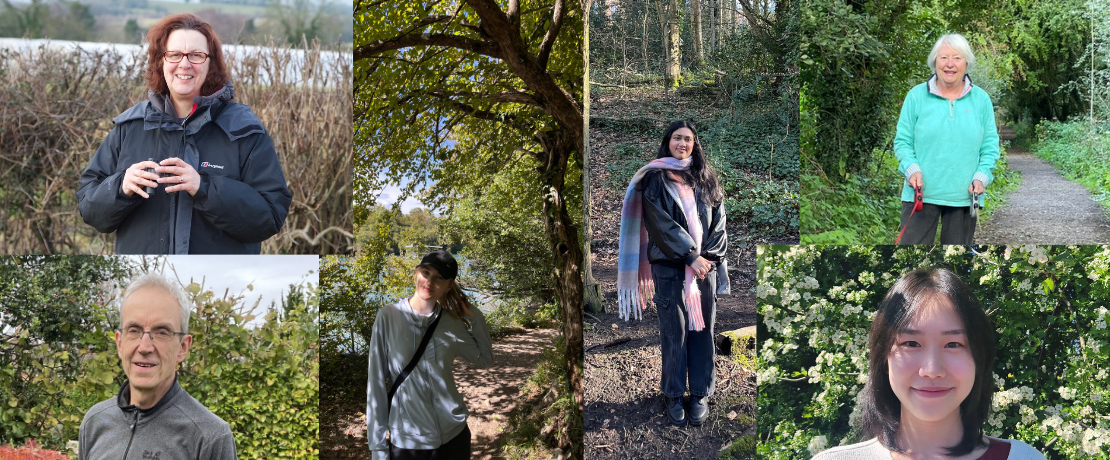
From students in their 20s to campaigners in their 70s, these volunteers share a deep love and appreciation for the countryside, even if the roots of this relationship differ. For Volunteer’s Week during our centenary year, we spoke to some of our youngest and longest-standing volunteers to explore how different generations see the countryside – and what unites them.
Connection to the countryside
It would be easy to assume generational divides define how we experience the countryside. But speaking to volunteers, it’s clear the reality isn’t so straightforward.
Across all ages, the countryside is somewhere these volunteers can experience peace, calm and wonder; a place to stretch their legs, breathe fresh air, and unwind.
For some especially younger volunteers, this connection has been discovered rather than inherited. Many did not grow up in rural areas, instead experiencing it as a contrast to fast-paced city life.
For the older volunteers, the countryside has often been at the core of their upbringing, entangled with their lives from a young age. As Jonathan (CPRE Cheshire Chair, 66) puts it, the countryside is ‘a source of beauty and inspiration’.
Their stories reveal a shared commitment to protecting the places we love, but also a concern about their future.
Access and inequality
The whole group we spoke to were united in one respect: our countryside is special because everyone can enjoy it, wherever they live and whatever their situation.
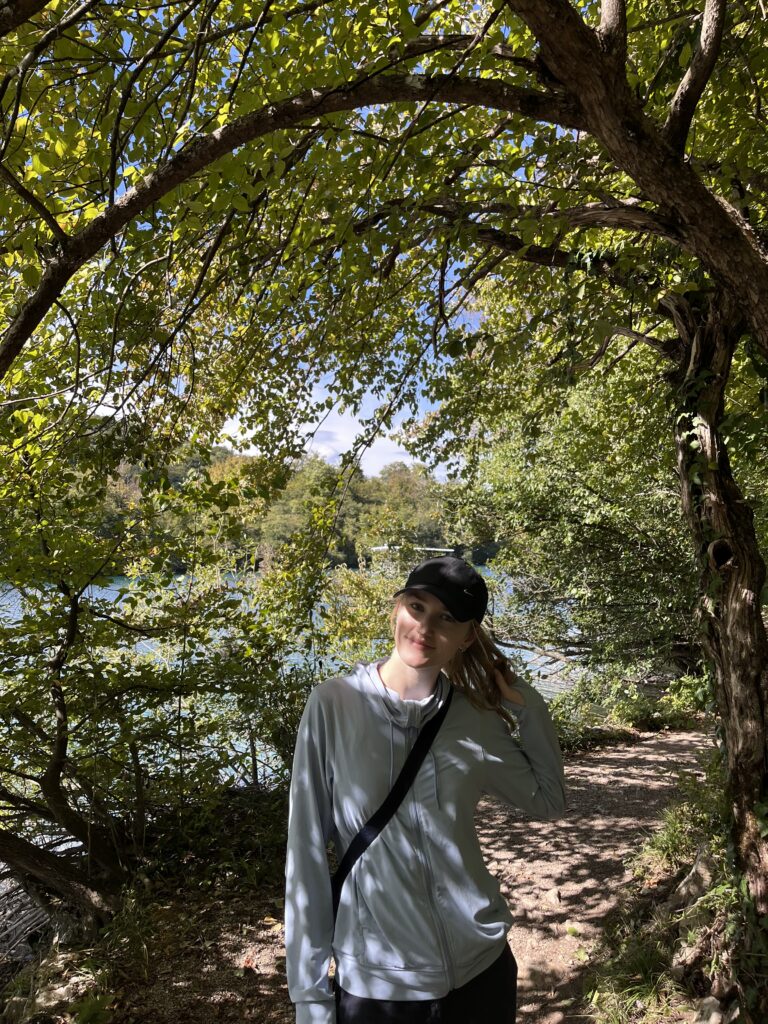
Grace (planning volunteer, 21) highlighted the importance of access to the countryside, whether through public transport or affordable rural housing. But there was shared worry – this accessibility is at risk. Rising costs and limited infrastructure are making it harder for many to experience and engage with rural spaces.
What’s changed and what hasn’t
There is increasing pressure on our green spaces, something which Sarah (CPRE Avon & Bristol Chair) has witnessed in real time over the decades. She’s seen a clear decline in species abundance.
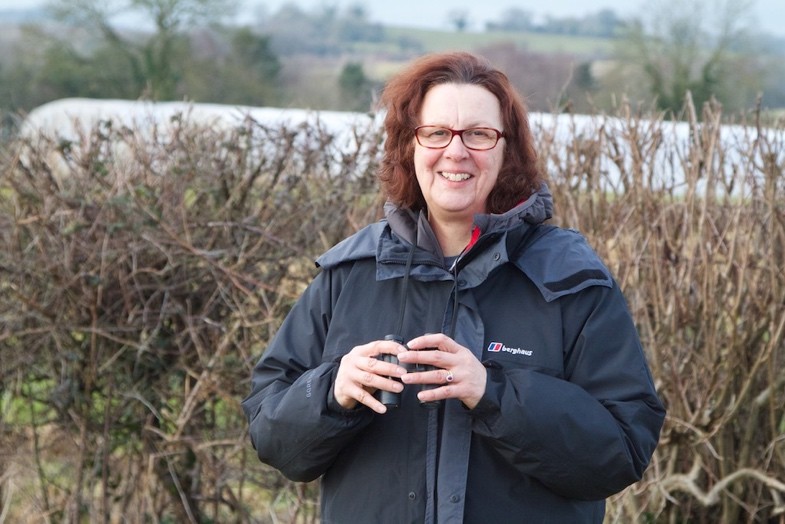
She also noted a broader shift in how people relate to the land, through lack of natural history education and first-hand engagement.
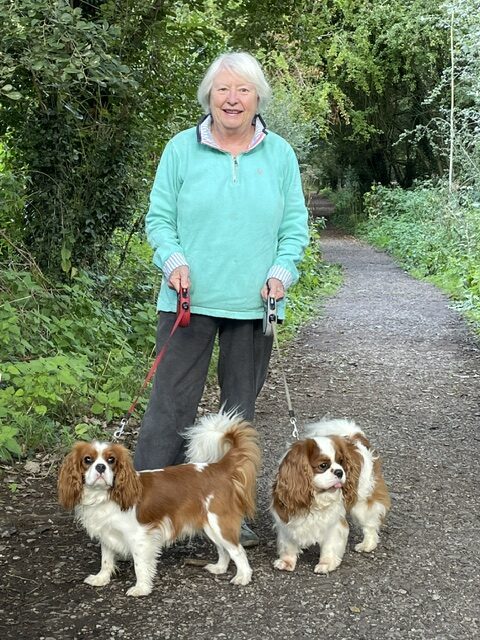
Margaret (CPRE Hampshire Chair) also pointed out that globalised food systems have weakened our connection between what we eat and where it comes from. At the same time, she says, one thing that hasn’t changed is our desire to enjoy the countryside. This enduring connection has motivated volunteers across generations to support CPRE for the past 100 years, even as the world around us changes.
Finding balance
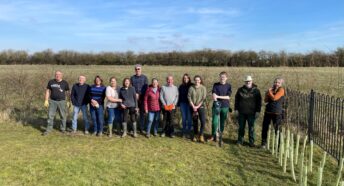
Volunteering for CPRE provides a way to turn that care and concern into action. Whether through planning consultations, local campaigns or national initiatives, volunteers play a crucial role in giving the countryside a voice at a time when it faces increasing pressure.
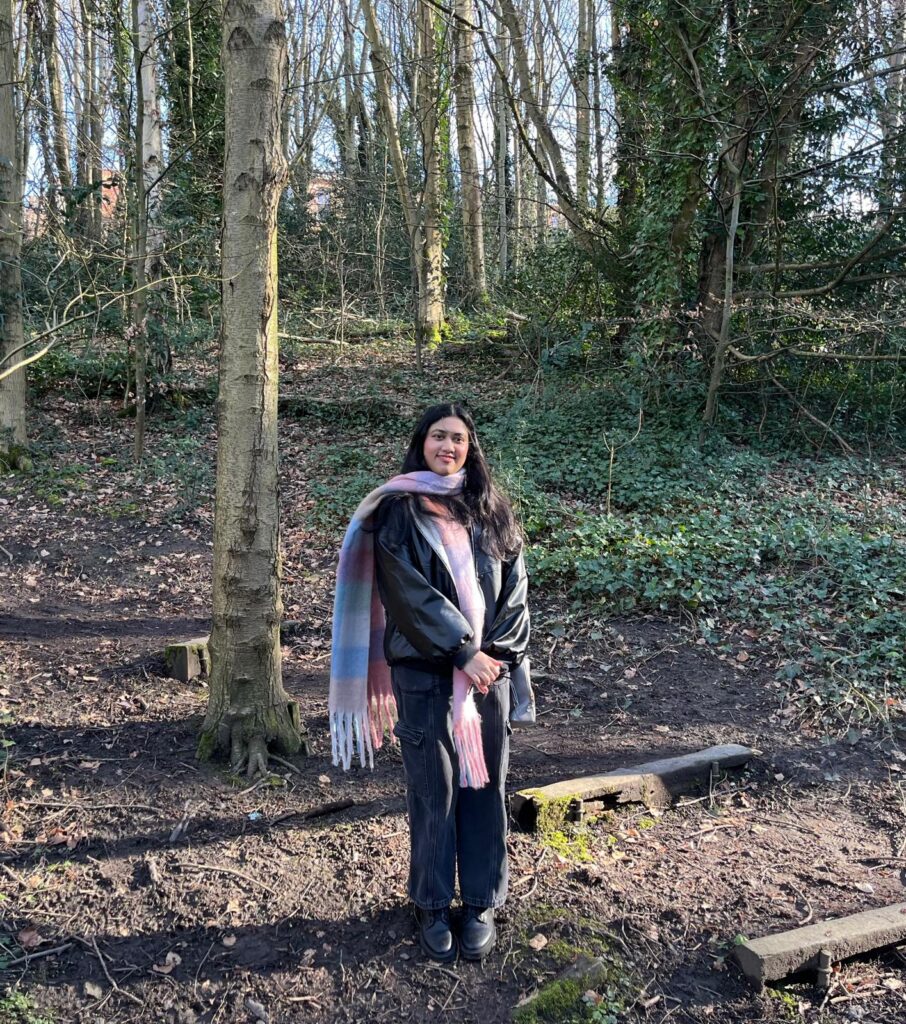
This deeper knowledge reflects the complexity of balancing competing demands. As our population grows and development needs increase, the countryside is, as Raniya described it, ‘a carefully managed gift’.
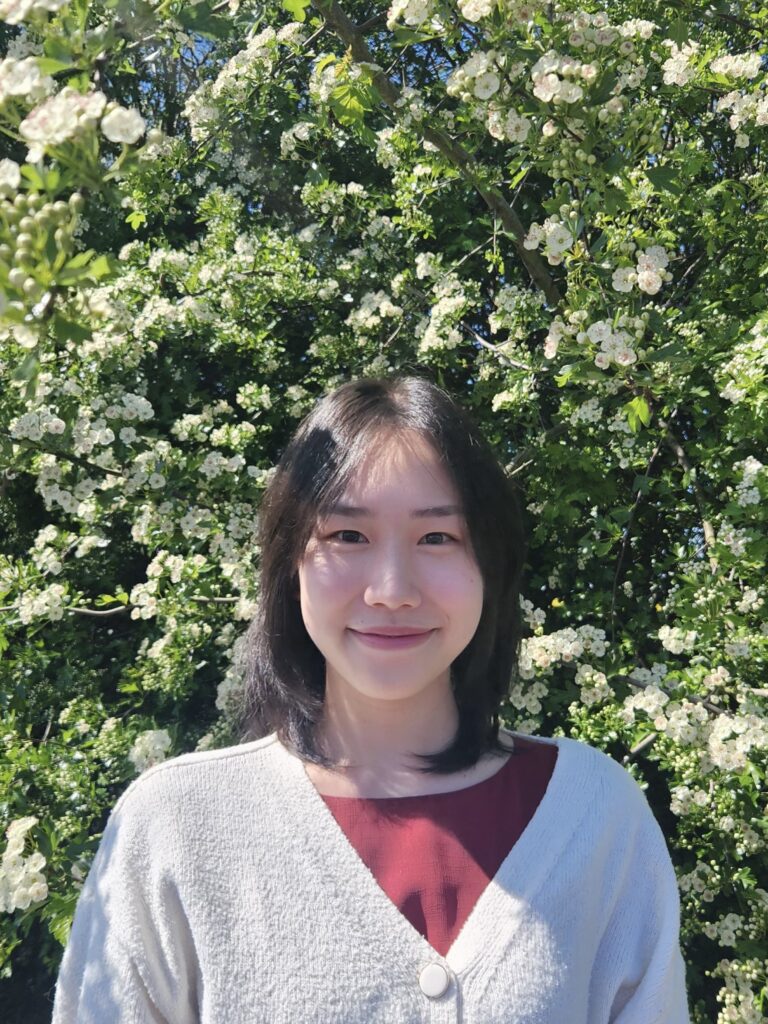
This nuanced and holistic perspective is central to CPRE’s work. Protecting the countryside is not simply about opposing change, but about shaping it thoughtfully. Sarah says much of this work happens behind the scenes.
Different strengths, shared goals
Different generations bring distinct strengths to CPRE’s work. Through their persistent hard work, our older generations, including CPRE volunteers, have campaigned for nature reserves and brought increased protections to our countryside.
The three older volunteers emphasised that young people are bringing a fresh wave of energy to the conversation and a heightened understanding of global environmental issues.
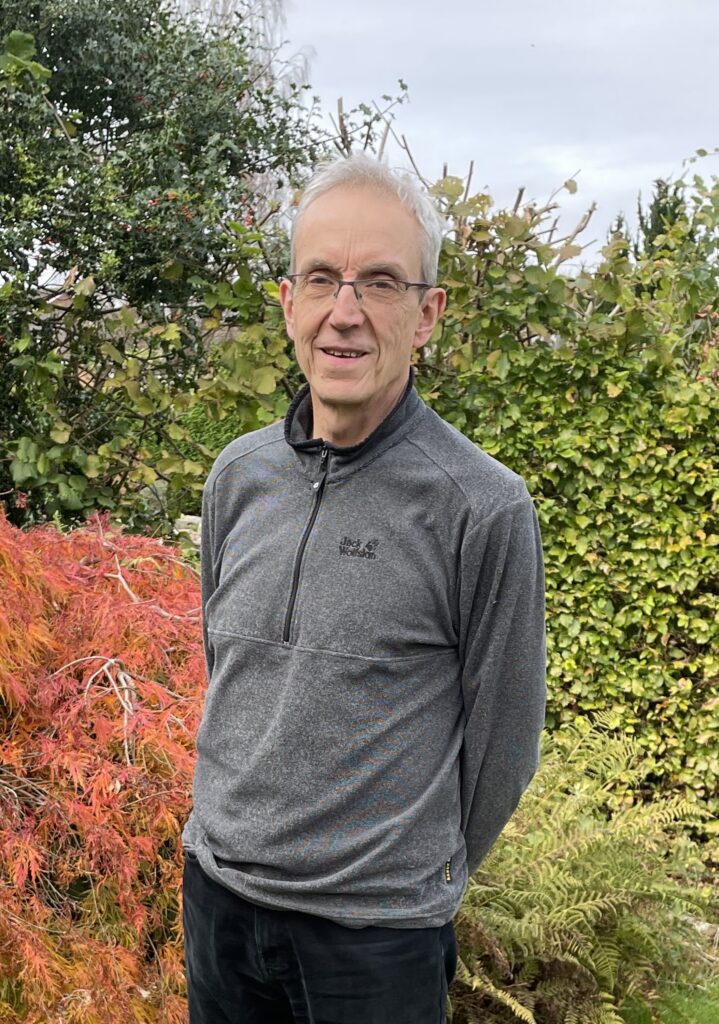
Raniya highlights the complementary relationship between the deep place-based knowledge of older volunteers and the younger generation’s focus on ‘long term livability’.
Rather than a generational divide, what emerges is a partnership. As Cherie reflected, ‘protecting the countryside is a shared responsibility’ and we are ultimately stronger together. Finding this shared ground matters at a time when planning decisions, climate change, and access to green space are becoming increasingly contested, and different communities are pitted against one another.
Looking ahead
All the volunteers we spoke to share a common hope: to see a countryside that remains accessible, vibrant and rich in nature for the generations who come next.
Recognising that change is inevitable – particularly in the face of climate change – Margaret said she simply hopes that it does not lose the fundamental character it’s had since her childhood. This character was an aspect that all the volunteers pointed out as special and even magical – an essential part of what makes England… well, England.
Get involved
For many volunteers, getting involved with CPRE has been a way for them not only to meet others who share the same values, but to make a real difference to the countryside.
From influencing planning decisions to hands-on projects and campaigning, there are a huge variety of ways you can be a part of what we do. Our centenary is more than a celebration, it’s a call to action and a reminder that CPRE’s role is more important than ever. Together we can protect what we love, regenerate what’s been lost and help shape a future for the countryside that sustains us all.
If you would like to join our volunteers across the country during our centenary year and beyond, explore our volunteering pages and current opportunities.