


Stories from ‘On The Edge’
For people all over England, the countryside and nature near us matters. The benefits are varied across the country and unique to every place and person. These spaces provide vital habitats and natural ecosystems, offering places for communities to come together, peace and wellbeing, and climate resilience. We’re showcasing a handful of stories that people have shared with us through our On the Edge campaign map, helping to build a national picture of why these everyday treasured spaces matter.
Nicola, Packsaddle Community Fields
The land has been gently loved by the local community, who have used it without restriction for those 50+ years. The sense of community in the fields has been strong — a quiet place to walk and enjoy nature, but also somewhere you know you are likely to bump into a friendly face. The fields are the heart of our community. The fields are a mix of shrubs, trees, grasses, stone walls, brambles, small mammals, red listed and other birds.
Our edge land is worth fighting for and we will keep doing what we have to do to protect it for the local community and the wildlife and nature that thrives here.
Maggie, The Ventnor Undercliff
I have lived on the edge of the small coastal town of Ventnor, situated in The Undercliff, for over 30 years. Within a few minutes’ walk, I am out on the cliff path, where I watch cormorants, ravens and kestrels, and discover the latest wild flowers to bloom.
Nestled below a towering rock wall, with chalk downs rising above it, The Undercliff is sheltered from cold northerly winds and remains several degrees warmer than the land above. As a result, vegetation grows faster than usual in this sunny microclimate. Meanwhile, prevailing Atlantic winds sweep along the coast, bringing clean air, as evidenced by the abundance of lichens on trees and rocks. Along the coastal path, wildflowers thrive in narrow margins, attracting many species of butterflies, bees and other insect pollinators.
This area has been shaped by landslides, caused by geological faults and waterlogging. Rainwater filters down through the chalk hills and greensand but cannot pass through the impermeable gault clay beneath. Instead, it emerges as springs. In turn, some plants and insects take advantage of the crumbling cliffs, recolonising newly exposed ground. The tree-filled landscape is a relatively recent feature. In the late nineteenth century, one landowner planted a million trees here. While deep-rooted trees can help drain the soil and stabilise the land, they are far less effective when the ground becomes waterlogged.
The most popular animal in the Ventnor area is an introduced species: the wall lizard. Resembling the native sand lizard, it is bright green and was brought to Ventnor from the Mediterranean during Victorian times. The species has thrived in the area’s unique microclimate. Interestingly, its presence has helped protect local wildlife from the use of toxic glyphosate weedkillers along our streets. When residents found several lizards dead, public concern quickly followed.
Last year, I led a pavement plants walk to celebrate the great diversity of beautiful flowering plants that grow at the base of walls. In half a mile, we found about a hundred species.
Steve, Church Wood
Church Wood, between Birstall and Gomersal, is around 350 years old and is made up mainly of oak trees. A stream runs along its edge. When I was a child in the 1960s, the stream was home to caddis larvae, freshwater shrimps and many other creatures. In spring, the woodland was carpeted with bluebells, while in summer foxgloves added colour to the landscape.
Church Wood borders a private woodland that stretches to Oxford Road and was once part of the Red House estate. Within that wood was a pond, which provided the setting for one of my more memorable childhood experiences. A friend found an old tin bath — I never discovered where it came from — and decided to set sail in it. The daft beggar made it about 20 feet from shore before it capsized, leaving him standing waist-deep in water while still wearing his trench coat.
Although I left the area more than 50 years ago, I have returned to Church Wood around a dozen times. Remarkably, very little has changed. The woodland still has the same peaceful atmosphere I remember from childhood. One large tree that blew down during a storm in the 1960s remains where it fell and is now most likely home to a rich variety of plants, insects and other wildlife.
Jenny, Cardinham Moor
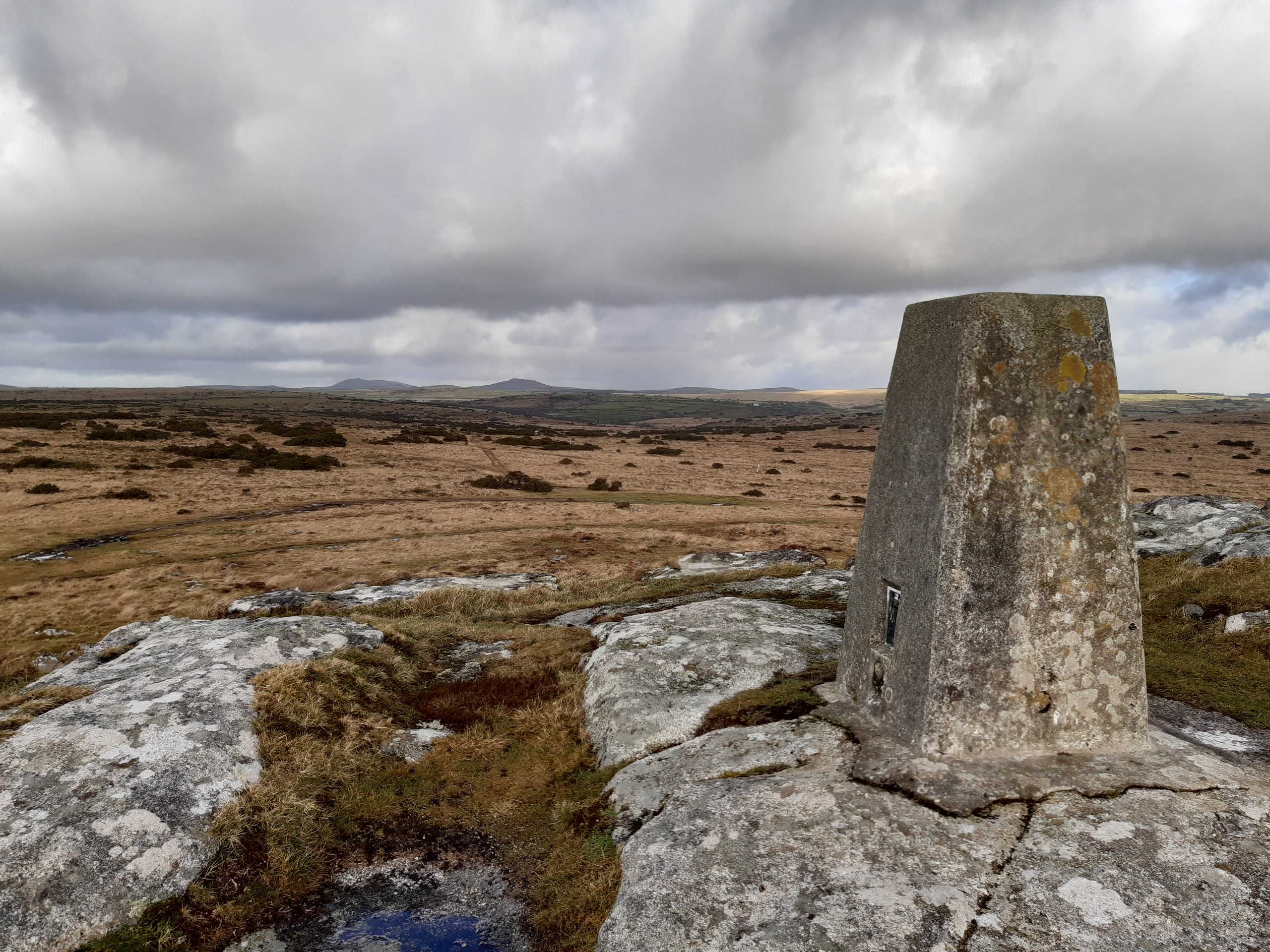
The countryside in this area is precious. Within this space we have Temperate rainforest, trout rivers, otters, herons, and even beavers. Cardinham moor is on the edge of the National Landscape Bodmin Moor. It benefits from a quiet local population which protects the environment. In my garden every morning, I hear upward of 18 bird species and Bodmin Moor itself hosts cuckoos and travelling Peregrine Falcons.
Jane, Brown Moss
Guided by our grandson, we wander through natural woodland and open glades, skirt the swampy edges of boggy pools, and venture into what feels like a land that time forgot.
At one point, he settles into a tyre swing suspended from a large branch. With the gentlest push of a foot against the trunk, he keeps himself moving slowly, gazing silently into the distance and lost in thought. It is not the behaviour you might expect from an energetic and exuberant nine-year-old. Yet this peaceful woodland seems to hold him in its ancient embrace. Meanwhile, I watch quietly, as though observing a wild creature, reluctant to break the spell with a word or movement.
Around us, fallen trees lie undisturbed in woodland clearings. On the day before April Fools’ Day, a soft cacophony of birdsong accompanies our wanderings through the woods. Nearby, the remains of old wigwams circle tree trunks, evidence that others have passed this way before us. Naturally, we cannot resist exploring them. Before long, we gather enough fallen branches during a short walk to build a bushcraft shelter of our own, complete with walls, a slatted roof and a rough wooden floor. On another day, all three of us could have sheltered there from the rain. Instead, we spent the afternoon beneath clear skies, enjoying a bright spring day with no hint of petrichor in the air.
Anonymous, Hillam and Monk Fryston
We are so blessed to be surrounded by fabulous green spaces — it’s why we decided to relocate and retire over here. It’s amazing for mental health and wellbeing. It’s very flat so I can walk almost every day which I couldn’t before, and this is the most brilliant way to take in the rich fauna and flora that is around us. Fresh air and bird song really are the best medicine.
Sue, Alice Holt Forest
I was brought up in Holt Pound on a farm. I spent idyllic childhood days exploring Alice Holt Forest and wandering along the banks of the River Wey, learning about the countryside, forestry, how to age a hedgerow by the number of species, and aquatic biology. As I grew older, I also learned about threats to these systems — teaching my father about the importance of protecting biodiversity, and working with soil and vegetation.
As land managers, we are custodians of the land for future generations, but protecting the countryside is everyone’s responsibility, not just farmers.
Bob, Hum Hole, Bitterne
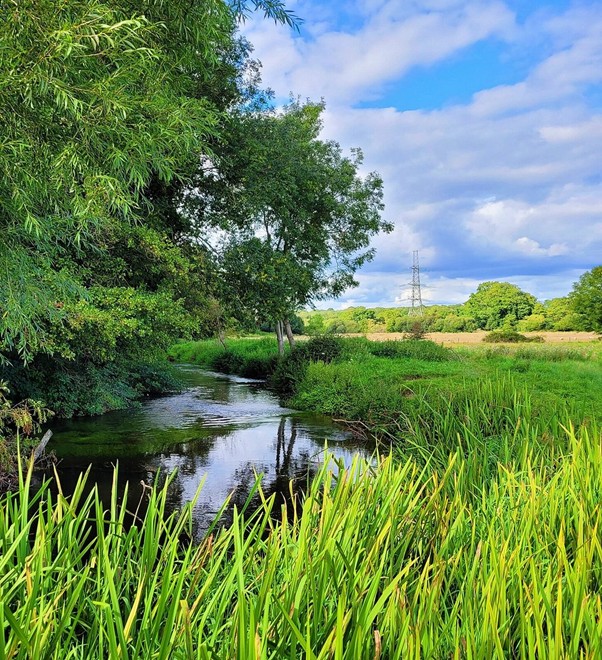
Hum Hole is a tiny piece of woodland — all that remains of a much bigger chunk of countryside that has been eaten into and built over during the last 100 years. It is just 200m from my home.
Although small, it retains an air of tranquility with a small stream running through it. There are birds singing and stealthy foxes still roam through it, even in the daytime. Many times I have stood and waited silently at dusk as fox cubs emerge from dense thickets under the watchful wary eyes of their vixen mums. They frollick and play-fight in the gathering gloam, totally unaware of my presence.
On many occasions, I have been awoken in the wee hours by the calls and answering calls of tawny owls that are secretly present.
This place connects the people living around it in their unnatural urban jungle with the natural world and reminds us of our connectivity to the land.
In a modern world full of bustle and noise, this place is a minute haven of sanity.
Gail, The Drove, Abbotts Ann, Andover
Abbotts Ann is unique. It’s only a couple of miles from Andover Town but the Village is surrounded by beautiful countryside. I don’t have transport and the bus service was removed so I walk for my mental health. I walk amongst the trees in all seasons and at once I feel my thoughts and worries gradually lift away. The sounds of the leaves rustling and glimpses of the local wildlife, deer, hares, pheasants etc calm my mood and I’m ready to face the stresses of modern life again. Mother Nature should never be taken for granted!
Shelagh, RAF Scampton perimeter path
We become at one with the seasons and it fills us with joy. Two women in our later 70s, two dogs, favourite walking shoes and peace. It fills our hearts and feeds our souls.
Your countryside matters.
Please add your own stories to our map, and explore others that have been shared in your local area and across the country. Your countryside matters. Together, we’ll amplify the extraordinary value of the ordinary places that are important to each of us, to help secure action and protection of these spaces for the future.