


West End Women & Girls Centre
The Newcastle centre turning a Northumberland farm into a place of belonging for women and girls.
West End Women and Girls Centre has been rooted in Elswick, Newcastle upon Tyne since 1981, serving around 10,000 women and girls a year across five generations of families. In 2021, it expanded into the countryside by taking on a rural Northumberland farm in response to the deep and entrenched inequalities around food, health and wellbeing and access to nature in their community. The farm now hosts over 1,400 visits annually, with women and girls growing food, caring for animals, wild swimming, camping and learning about biodiversity in a safe, women only environment. Participants produce and distribute more than 6 tonnes of free fresh food a year, while 1,500 native trees and hedgerows have been planted on an off-grid site powered by renewable energy. Members describe the farm as transformative for their wellbeing — not a one-off visit, but somewhere they return to, build confidence, and come to feel genuinely belongs to them. The farm’s impact is political as well as practical: it deliberately places women and girls who are too often excluded from rural spaces at the centre of growing, harvesting, cooking and decision-making, not as passive visitors.
Nomination details
Why this matters
West End Women and Girls Centre has made an outstanding contribution by transforming a rural upland Northumberland farm into a place of access, learning, nourishment and belonging for women and girls and families from an area affected by deep inequality. Its work shows that countryside access is not simply about visiting a rural place, but about being able to belong, take part, learn, contribute and feel safe and welcome on the land.
The Centre’s contribution is rooted in practical countryside activity with a strong political purpose. It challenges unequal access to land, nature and healthy food, and places women and girls who are too often excluded at the centre of countryside stewardship. Women and girls are involved in growing, harvesting, animal care, tree planting, wildflower planting, beekeeping, cooking outdoors and sharing knowledge on how food, soil, pollinators, weather, seasons and wildlife are connected.
The growing area at the farm has increased year on year. Annually, women and girls working the land together produce and distribute more than 6 tonnes of essential fresh, healthy, agroecological food for free to women and families. This includes seasonal fruit and vegetables, more than 5,000 free-range eggs jars of heather honey and hand-harvested wheat. The project makes the countryside tangible and meaningful: participants experience the full connection between land, labour, food, health and community.
The farm is also making a direct environmental contribution to the countryside. The Centre has planted 1,500 native trees and hedgerows, hundreds of wildflowers and spring bulbs, installed beehives and established a community orchard in Northumberland. Its farm runs off grid, powered by renewable energy and rainwater collection systems. By supporting local growing and seasonal production, it reduces food miles, cuts carbon and strengthens environmental resilience.
Crucially, the project changes who feels the countryside is for. Women and girls are not passive visitors; they are farmers, growers, carers, learners, cooks, harvesters and stewards of the land. Its outstanding contribution lies in making a working farm into an accessible countryside gateway where rural experience, land justice, food production, wellbeing, biodiversity and women and girls’ leadership come together.
This work is innovative because it tackles the food system as a whole, not as disconnected problems. It does not accept poverty, poor health, lack of land, food waste and exclusion from nature as issues to be patched over. Instead, West End Women and Girls Centre has created a women only, community-owned “farm to fork” model where women and girls who are often furthest from power become growers, cooks, teachers, decision-makers and leaders of change.
Impact
The impact of West End Women and Girls Centre’s farm is that women and girls are gaining regular, meaningful access to the countryside and the wellbeing, confidence and connection that come from spending time on the land. For members, the farm provides access to open space, fresh air, seasonal change, wildlife, growing, animals and rural skills that may otherwise be literally out of reach.
Members describe the farm as transformative for their wellbeing. One attendee said, ‘I come from Kurdistan. At the Farm we grow food and look after animals and the land together the way women have done for generations in my country. Without this place I would have no peace from the city. It is a home from home.’ Another said, ‘So grateful to have the farm which I can come to, it gives me something to look forward to. It gives you a better start when you are feeling low.’
The work also builds countryside knowledge and environmental understanding. One participant reflected, ‘It’s like the food cycle and stuff I learned at school about cross-pollination. I never understood why it’s important. But then I learnt that you can’t have food without pollinators. And insects.’ Another described planting wildflowers by the pond and thinking about ‘the spring and the bees and the butterflies’, adding that it made her consider what she could do at home to help nature.
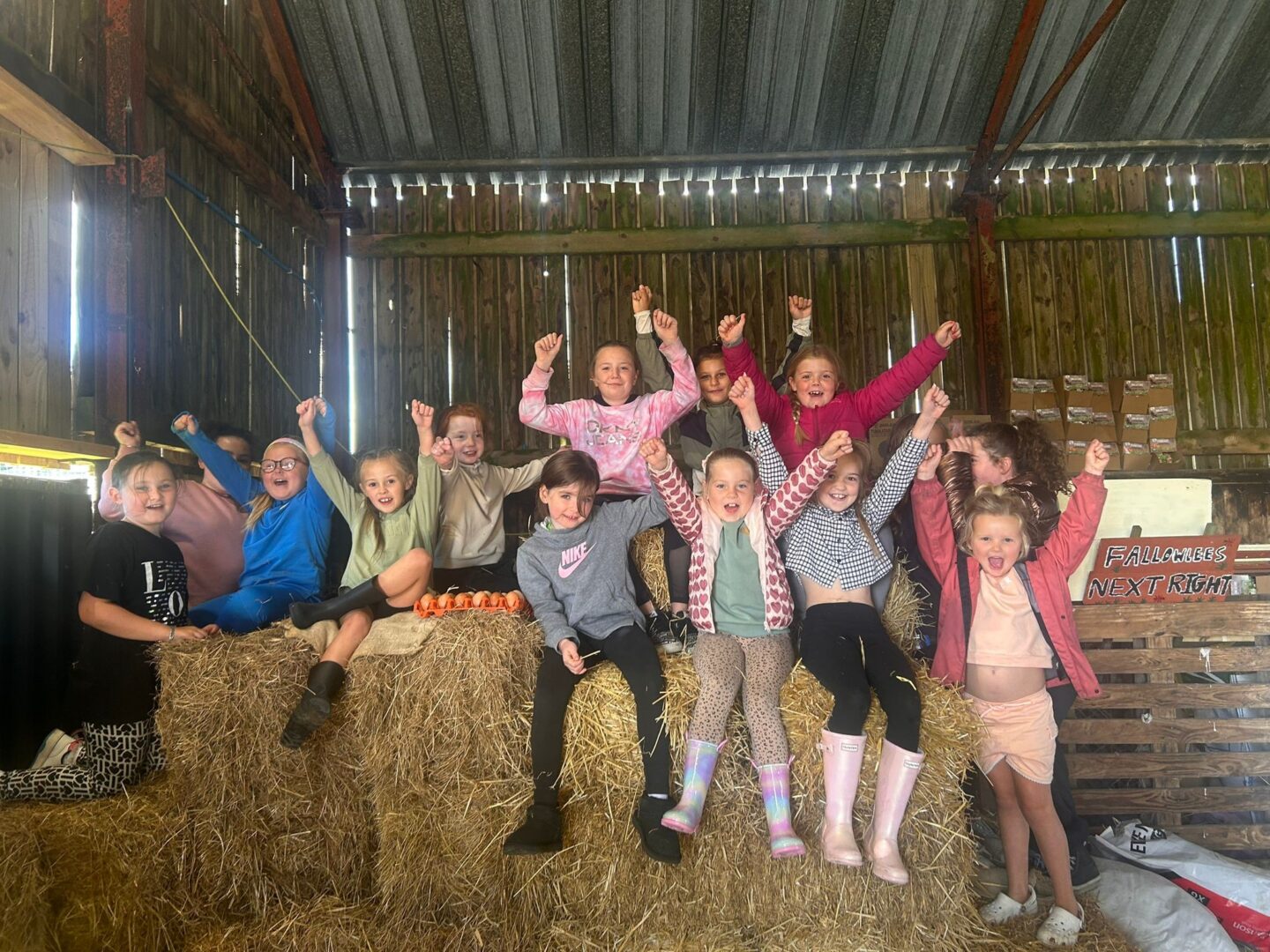
For girls and young women, the project creates memorable and formative countryside experiences: school holiday trips to the farm, harvesting and cooking outdoors, camping under the stars, cooking over fire, wild swimming, and caring for sheep, hens and goats. These activities build confidence, independence, practical skills and familiarity with rural environments. They also help young people understand where food comes from, how nature supports food production and how they can play a role in caring for the land.
The impact is also political because it changes women and girls’ relationship with land, food and power. It helps participants see the countryside not as somewhere owned by others or separate from their lives, but as somewhere they can belong, contribute, learn, produce food, make decisions and care for nature. In a context of poverty, inequality and restricted access to green space, this is a profound shift in confidence, agency and entitlement to the natural world.
The impact on nature is equally important. Tree planting, hedgerows, orchards, wildflowers and beehives create habitats, attract pollinators, absorb carbon and support biodiversity. Animals provide food, wool, manure and compost, while compost toilets return nutrients to the soil. The farm operates as a circular, low-impact system where food production, wildlife, soil health, renewable energy and community wellbeing support one another.
Overall, the Centre demonstrates how supported access to the countryside can improve lives, strengthen communities, regenerate rural environments and challenge inequality at the same time.
Inclusion and accessibility
West End Women and Girls Centre has made the countryside more inclusive by creating a safe, supported and meaningful route into rural Northumberland for women and girls who may otherwise face barriers to access. These barriers include poverty, transport, confidence, safety, caring responsibilities, cultural exclusion and the feeling that the countryside is ‘not for people like us’.
It challenges long-standing assumptions about who has the right to be in the countryside, who gets to benefit from land, and whose knowledge and labour are valued. The farm makes space for women and girls to be visible, capable and powerful in a rural setting, not as guests but as active participants and stewards. The project is inclusive because it is shaped by the women and girls involved. It values the knowledge they already hold, including land-based, growing and cooking skills brought from different cultures and generations. This makes countryside access feel connected to identity, heritage, food, family and community, rather than distant or exclusive.
The farm removes barriers by offering regular group visits, trusted staff support, women-centred activities and practical reasons to spend time outdoors. Participants are not simply taken to the countryside; they are invited to grow food, care for animals, harvest crops, cook together, plant trees and wildflowers, learn about biodiversity, camp, swim and return throughout the seasons. This repeated access helps build confidence, familiarity and a sense of ownership.
For girls and young women, farm trips, camping, outdoor cooking, animal care and school partnerships help build early confidence in rural spaces. These experiences create positive memories of the countryside and help young people see themselves as people who belong in, understand and can care for nature.
By combining free access, transport, safety, cultural respect, practical learning and community leadership, West End Women and Girls Centre is making countryside access more equal, inclusive and meaningful. It shows that widening countryside access is not only about opening gates, but about redistributing confidence, power, knowledge and belonging.