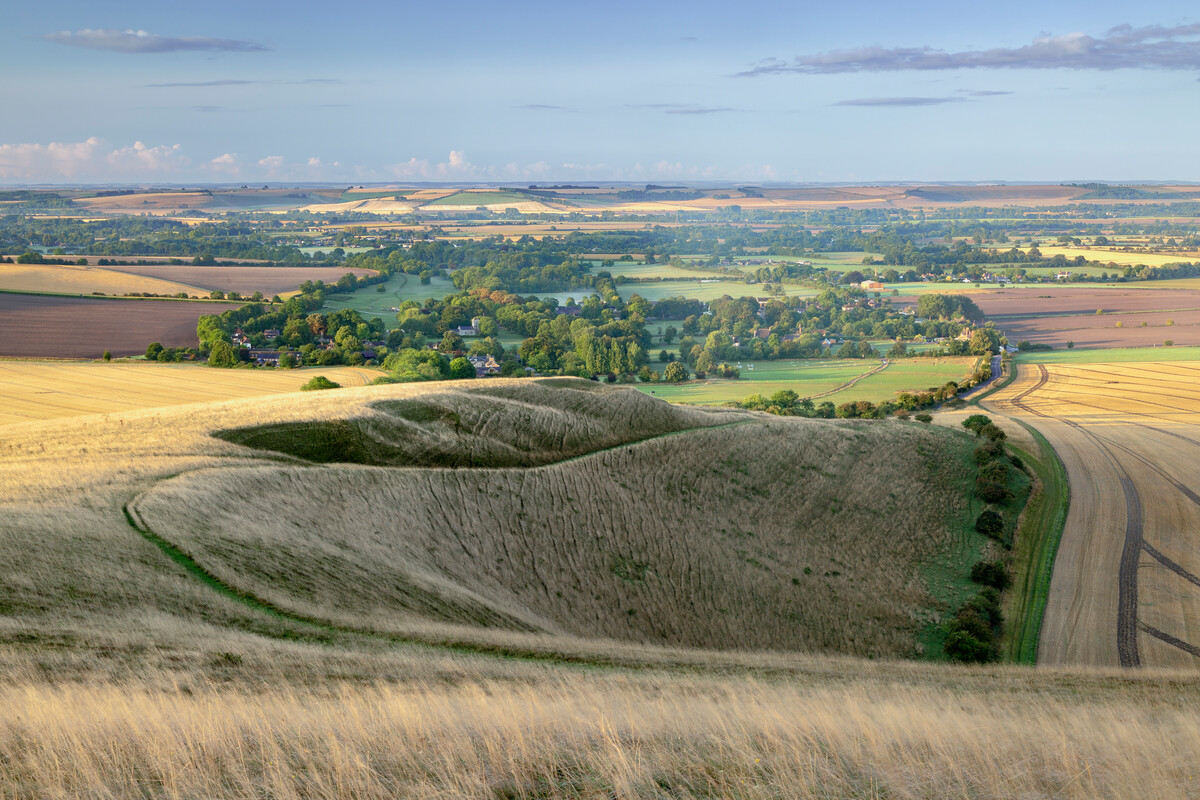
The state of our countryside in 2026
26 February 2008
Bill Bryson, President of the Campaign to Protect Rural England (CPRE), sparks a national debate on the publication of a provocative paper and online forum on England’s countryside: Towards a vision for the countryside.
Commenting on the launch of the online forum Mr Bryson said:
‘Last year I was challenged to lead a debate with our members on the future of the countryside in 2026, CPRE’s centenary year.
‘But we want a wider, national debate. After all, if we can explore and understand what people want from our countryside in 20 years time, then we will be in a much better position to plan the steps to get there.
‘We’ll campaign on the results and seek to influence Government. But this isn’t an issue that should be left to politicians. It should be debated by everyone, from farmers to business people, planners to village shop owners. We believe we can all take action to protect the countryside, enhance it, and promote its importance, that’s why we’ve outlined one possible, positive vision, and set up a debates page for all views on the future of our countryside.’
CPRE’s contribution to the debate comes with the publication of Towards a vision for the countryside, and the online debate forum. This includes identification of five key countryside issues that describe possible futures for people and places in 2026:
Key issues:
• Lifestyle and leisure England’s countryside has blossomed into its Natural Health Service. Farm and country visits are part of the school curriculum and many more people, from a broad demography, are using and visiting the countryside.
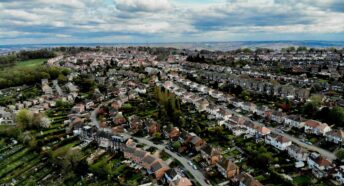
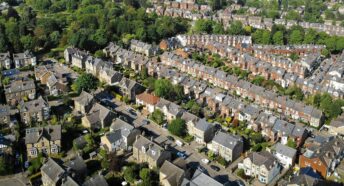
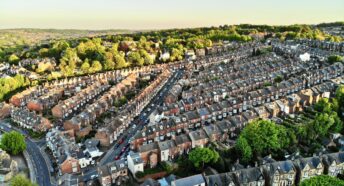
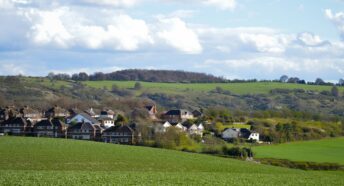
• Life in our cities, towns and villages Thanks to good planning, three quarters of new homes created will be contained within urban areas – but built on existing brownfield land. Some will be built on countryside. Smaller towns and villages will grow as a result of the revival in locally produced food and the interest in the countryside for leisure. This will also help to create more local jobs.
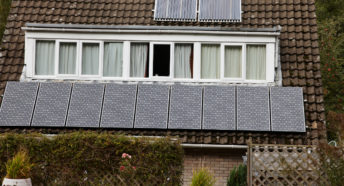
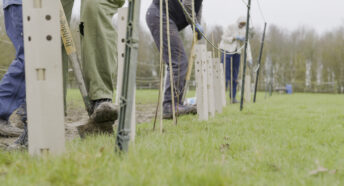
• Climate change and the countryside Farmers have helped to reduce CO2 emissions by moving away from crops that require large amounts of synthetic, oil derived fertilisers. To adapt to the changing climate, new areas of coastal wetland will be created. Increased rainfall will be absorbed through better land management and technologies. Biodiverse and tranquil reservoirs will store enough water to take us through droughts.
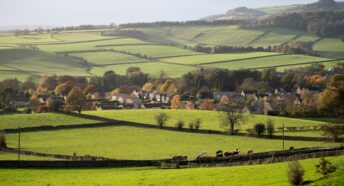
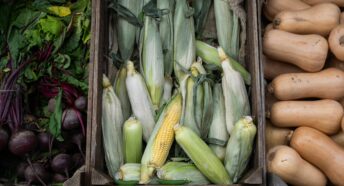
• Food and farming Farmers will earn part of their income from maintaining the countryside. They’ll also generate an income from countryside visits as people take more holidays there. The wildflowers, birds, insects and mammals that had so dwindled over the previous 70 years have returned in a rush of sights, sounds and smells. Farmers will play their part in supplying our energy needs diversifying into bio-energy crops, growing rapeseed oil and fast growing trees for wood burning.
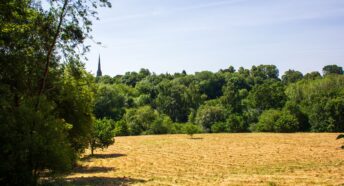
• Planning A new focus of the planning system will be on increased use of the ‘countryside next door’, within a few minutes walk of where people live. Development will be completed sensitively, retaining countryside character while encouraging access and recreation. We will have a greener Green Belt.
Shaun Spiers, Chief Executive of CPRE, said:
‘We all have different views about the kind of landscape we want to pass on to the next generation. We are not predicting the future, but exploring how things might look in 2026.
‘While we continue to defend countryside from inappropriate development we also want to come up with positive solutions. We want to show how necessary development can be accommodated without eating up too much countryside, and how the countryside’s value – as an amenity, in supplying food, in helping us mitigate and adapt to climate change – can be enhanced.
‘We have set out one exciting possible vision. Be we can’t provide all the answers. We need a national debate that will, we hope, lead to a shared understanding of the sort of countryside we want to see and how to get it.’
– END –
NOTES FOR EDITORS
1. CPRE, the Campaign to Protect Rural England, is a charity which promotes the beauty, tranquillity and diversity of rural England. We advocate positive solutions for the long-term future of the countryside. Founded in 1926, we have 60,000 supporters and a branch in every county. President: Bill Bryson. Patron: Her Majesty The Queen. www.cpre.org.uk
2. Join the online debate forum at www.cpre.org.uk