

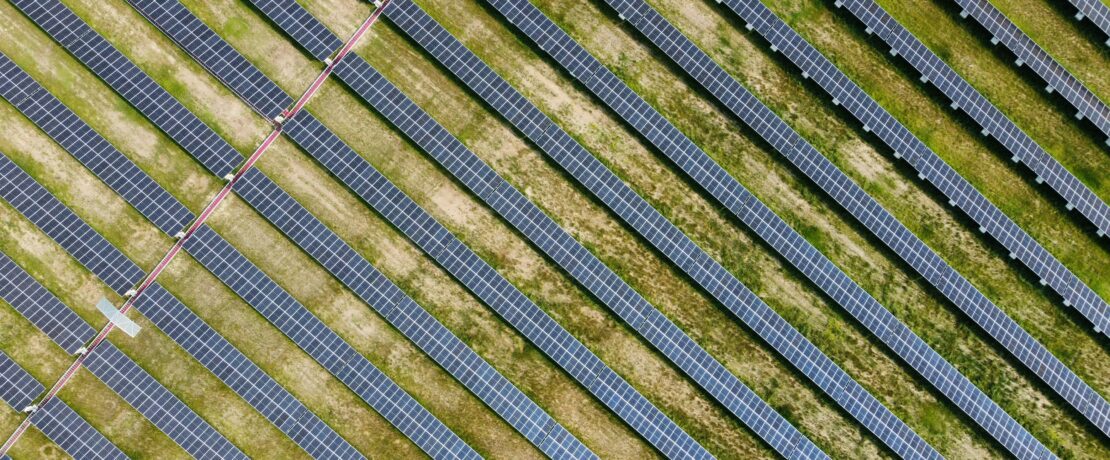

Clean energy, done right: why we’re asking for a countryside-friendly plan

Yet another summer of heatwaves, drought and record-breaking temperatures has only told us what we already knew: climate change is here.
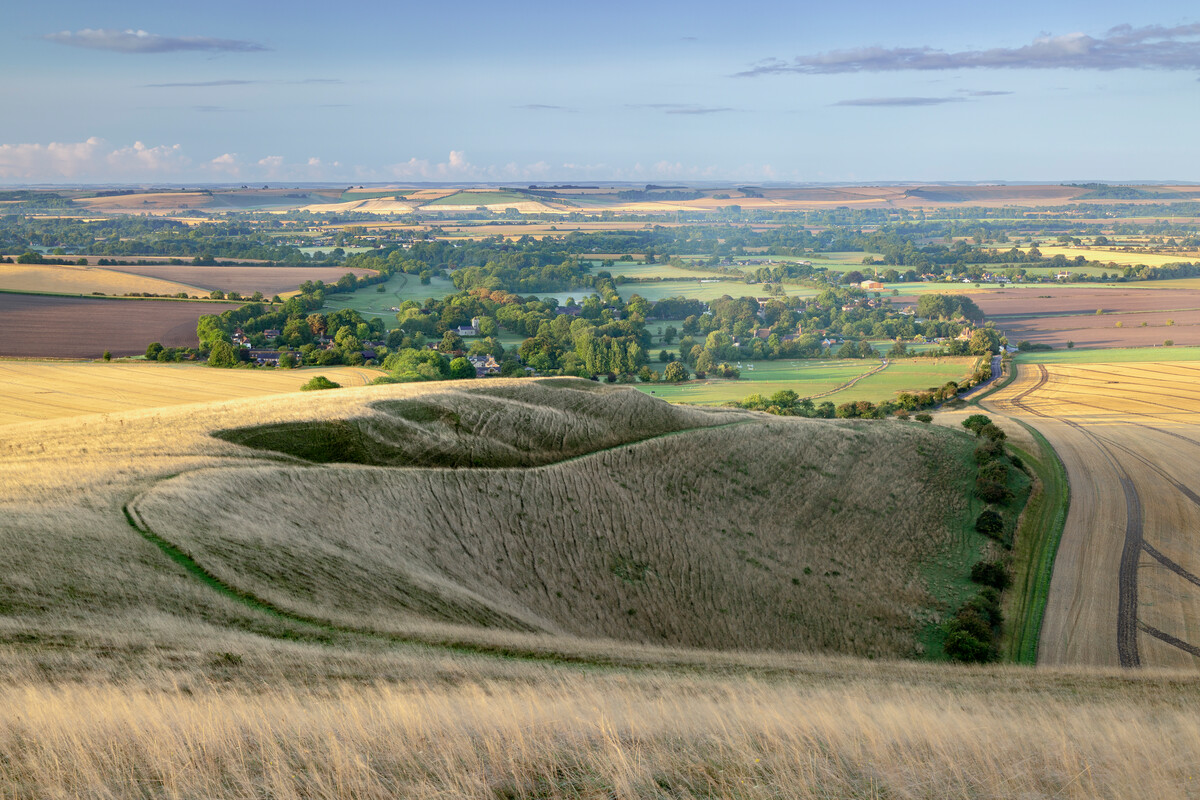
Moving away from fossil fuels is not negotiable, and without action, the impacts of global heating will be felt acutely in the countryside, whether it’s food security, nature or landscapes themselves. We have long-warned that climate change is a great threat to the countryside — that’s why we have been a champion of countryside-friendly solutions like rooftop solar and community energy.
On 10 November 2026, Energy Secretary Miatta Fahnbulleh refused Botley West, and we welcomed this decision as a hopeful step for he countryside. Botley West would have been a massive solar energy scheme, 1,400 hectares in size across 18km of the Oxfordshire countryside, next to Blenheim Palace, a UNESCO World Heritage Site. This includes productive farmland, Green Belt and several archaeological sites.
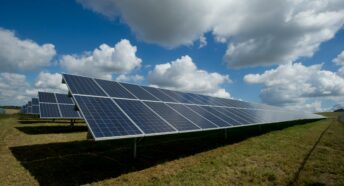
Botley West has attracted fierce opposition by those who live there, but it’s not just in Oxfordshire where the battles are taking place. Dozens of mega solar schemes are being approved, in the application stage, or already operational across the countryside.
We recognise the urgency to act, though the challenge is not only about how quickly we can build the infrastructure. The way we move towards clean energy and how we take communities with us really matters. It matters because land is finite, and we’re already asking so much of it. And it matters because communities need to feel part of the journey.
That’s why we’ve written to the Energy Secretary asking for a temporary pause on new approvals of solar farms of 30MW or more, until the government has a proper plan for where energy infrastructure should go. The pause wouldn’t affect schemes already approved or being built. The government’s own plan, the Strategic Spatial Energy Plan (SSEP), has been pushed back to the end of 2027. Decisions on the biggest schemes shouldn’t run ahead of the plan meant to guide them.
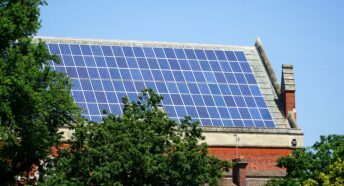
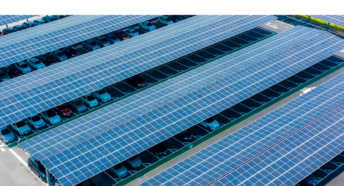
And there’s a clear alternative where other countries are way ahead of us: rooftop solar at scale on warehouses, car parks and public buildings. Despite the welcome news that all new build homes will come with solar panels as standard from next year, our report ‘Lighting the way’ showed how far behind we are with the rooftop revolution we need. Most of the public, especially young people, want to see nature and the countryside better protected for the future. It doesn’t make sense to use land for solar that is better used to grow food, support nature and nourish people and their wellbeing.
Land is finite
Whether it’s nature recovery, food production or housing, we’re asking too much of our land. Decisions about how we use land need to be joined up, with government departments and strategies connected rather than operating in silos. Covering productive farmland with solar panels just doesn’t make sense.
Large-scale solar farms in the countryside might help one problem, but it creates several others in the land that is lost: whether that’s farmland, a nature site or even just ordinary countryside that means so much to the people that live there.
The government expects renewables to take up about 155,000 hectares by 2050, or about 2% of England’s farmland. Possibly more. That’s 155,000 hectares of land that could be sustainably growing food or supporting nature recovery. When there’s a clear alternative for solar panels — on our rooftops — we don’t think this is the best use of land.
And let’s not forget that the national figure greatly masks the local impact. Multiple large-scale solar farms are clustering around grid connections with little ability for local people to shape decisions. That clustering is a key issue for us and can result in entire villages being engulfed. If current proposals go ahead, solar farms would cover almost 9% of some constituencies.
Communities can be part of the solution
We need to shift to clean energy, and while some of that needs to be solar on the ground, the best way to get there is together, with energy projects that communities can get behind.
This massive rollout of large-scale solar is generating fierce opposition. What’s more, because some of the larger projects are Nationally Significant Infrastructure Projects — like Botley West — the final decision is taken out of local people’s hands.
By continually sidelining local voices, the government’s approach risks fuelling resentment towards net zero and emboldening those who want to stall climate action. Rooftop solar on the other hand, enjoys widespread popularity and protects more countryside.
Moreover, community energy schemes, designed by and for local people, can be a powerful way for communities to design their clean energy future. And our Community Energy Visioning projects just a few years ago showed just how willing people were to engage.
The solution: a proper plan and more rooftop solar
We’ve written a letter to Energy Secretary Miatta Fahnbulleh asking her to call a moratorium (temporary pause) on large solar farms above 30MW until a proper plan is in place — a countryside-friendly SSEP.
The SSEP, which is being developed right now, will shape how energy infrastructure is being delivered over the next 25 years, and inform how that happens at a regional level too. The Energy Secretary has a chance to guide the course it takes: the loss of more countryside to schemes like Botley West, or unlocking the potential of rooftop solar and better decisions which make best use of land.
And when we say there’s potential in rooftop solar, we mean it. There’s strong evidence to back it up too. Research by University College London for CPRE showed that rooftops and car parks in England could provide at least 40–50GW by 2035, and across England the total potential is 117GW by 2050 — enough to exceed our solar energy targets. Rooftop solar makes use of the wasted space on warehouses, car parks and public buildings, while protecting more countryside for food, people and nature.
Botley West proves we need a plan. Over 1,100 official representation, months of examination, years of uncertainty — for the local community, for farmers and for the developer. That’s a lot of time, effort and resource for a project that was always in the wrong place. That’s why we’re calling for a plan that sets a direction for energy projects that communities can get behind.
Sign our letter
So let’s ask the Energy Secretary to pause and plan — and choose a path to clean energy that communities feel part of, and that protects the countryside for generations to come.