


The Energy Independence Bill: our chance to end fracking for good
The Energy Independence Bill (EIB) is expected in Parliament in the coming weeks. It’s one of the biggest energy laws in a generation and could bring big opportunities for the countryside. If the government gets the detail right, it could put a lasting end to fracking.
What’s in the bill?
The EIB hasn’t been published yet, but the government says it will scale up homegrown renewable energy and protect living standards for the long-term. It’s expected to cover three broad areas:
- Lower bills and warmer homes: support for households and a new body to deliver home energy upgrades.
- Faster clean energy: speeding up renewables and reforming how the grid is planned and built.
- Moving off fossil fuels: no new oil and gas exploration, and a ban on fracking.
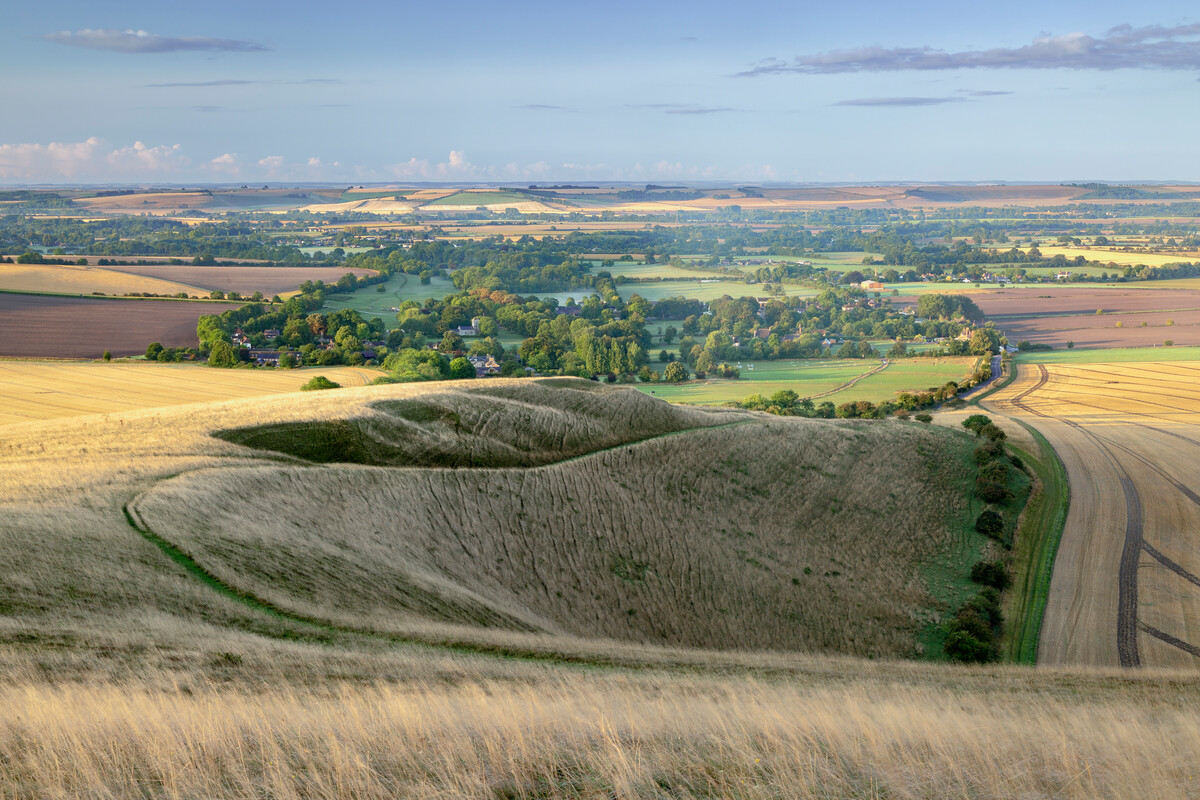
There’s a lot to potentially welcome. Climate change is already threatening farming and food security, landscapes and ecosystem health, so moving to clean and homegrown energy is critical for a resilient countryside.
But how we get there matters. Speeding up clean energy without a proper plan for where it goes (and how it’s delivered) risks solving one problem while creating several others, such as large-scale solar infrastructure on productive farmland. That’s why we’ll always call for a clean energy system that works with the countryside, not against it. Solar on wasted space, like the rooftops of warehouses and car parks, and clean energy schemes designed with communities, for communities.
First though, there’s one opportunity in this bill we can’t afford to miss.
Fracking: from pause to ban
Right now, there’s a moratorium on fracking. That’s another way of saying it’s indefinitely paused or banned. It’s a ministerial decision and any future government could reverse it surprisingly easily.
And we’ve seen that happen. In 2022, Liz Truss lifted the moratorium and tried to fast-track fracking, including offering payments to win communities over. Thankfully, more than 80,000 of you backed our campaign and just 34 days later, the ban was back.
But as long as fracking is only ‘paused’, the risk of it making an unwelcome return will always be there. The government has promised to ban fracking in the EIB, and writing this ban into law makes it much harder for a future government to undo.
The loophole
But there’s another issue. The current rules on fracking only cover operations of a certain volume. Specifically, lower volume operations that use less fluid in the process (known as ‘proppant squeeze’) fall outside the ban.
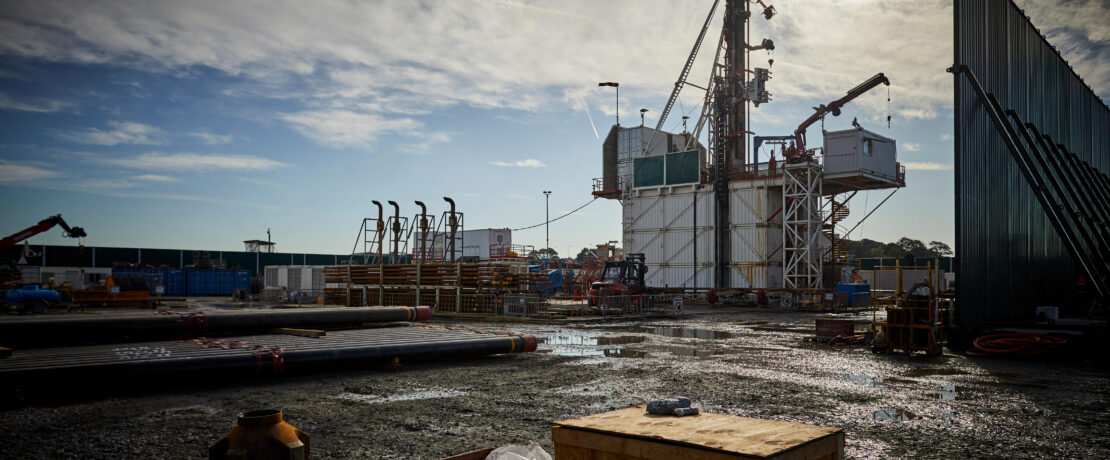
This is basically fracking by another name: fluid is injected at high pressure to facture rock and release gas. It’s a loophole that can and will be exploited — companies are already pursuing lower-volume fracking at sites across England, and some have been given the go-ahead. Expert evidence suggests lower-volume fracking can trigger tremors just as large and unpredictable as full-scale operations.
In September, the energy minister confirmed the government does not intend to include lower volume fracking in the ban.
A ban with a loophole isn’t much of a ban at all. So, the EIB needs to do two things:
- Write a fracking ban into law, and
- Close the loophole that would allow low-volume fracking to continue.
Beating fracking for good
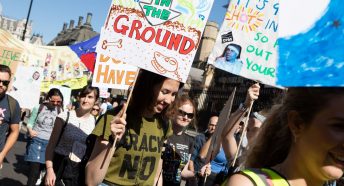
Fracking locks in fossil fuels when we need to move beyond them. It industrialises the countryside with drill pads, noise, round-the-clock lights in tranquil places, threatening wildlife and nature. It risks polluting waterways. And it won’t lower energy bills. Fracking isn’t popular and communities have consistently made that clear.
Together, we’ve pushed fracking back twice. In 2019, our campaign helped stop plans to fast-track fracking past local communities. In 2022, you helped get the ban reinstated in just over a month. Together, almost 300,000 people have backed our campaigns to keep shale gas in the ground.
Now we have a chance to finish the job for good.
That’s why we’re supporting Friends of the Earth’s call to make sure the EIB writes a fracking ban into law, and to make sure the loopholes are closed.
Take action
The EIB is a huge opportunity to harness clean energy in the right places and keep fossil fuels in the ground.
Sign Friends of the Earth’s petition now and let’s consign fracking to history.