


Norfolk’s EDP consultation: getting nature restoration right

The first Environmental Delivery Plan (EDP) marks a significant moment for the government’s new approach to balancing housing growth and environmental protection. Covering nutrient pollution in Norfolk, it is the first test of a system that allows developers to pay into a Nature Restoration Fund rather than meet certain environmental obligations on a site-by-site basis.
Last year, Parliament passed the Planning and Infrastructure Act, one of the most contested bills introduced by Keir Starmer’s Labour government. A particularly controversial part of the Bill was the introduction of the nature restoration levy and Environmental Delivery Plans, which critics called a ‘cash to trash‘ scheme for developers.
The first Environmental Delivery Plan (EDP) is now being consulted on. The EDP allows developers to avoid their responsibilities under the Habitats Regulations (which protect our rarest or more vulnerable habitats and species from harmful development). They can do so by paying a levy into the Nature Restoration Fund, which pays Natural England to deliver ‘conservation measures at a landscape scale’. It’s been called ‘cash to trash’ because it effectively lets developers pay for permission to harm nature (e.g. by discharging pollution or by fragmenting existing habitats), with measures to offset the damage often taking place somewhere else.
The first EDP covers nutrient pollution in Norfolk. Another 15 EDPs on nutrient neutrality are being worked on, as well as another seven on great-crested newts. Eventually, EDPs will cover other habitats and species. So basically, the first EDP is a big deal and a crucial chance to get this right – or wrong.
The Better Planning Coalition, which CPRE hosts, worked with its members (particularly supporting Wildlife and Countryside Link) for changes to reduce the risks of this new approach. We helped:
- Strengthen the Overall Improvement Test (OIT) that developers must meet (the OIT requires that any negative effect of an EDP is outweighed by the conservation measures to offset it)
- We also strengthened the evidence on which OITs are based
- Require that the government publish regulations to consider avoiding or mitigating (lessening) harm before compensating for it elsewhere
- Secured commitments from ministers to move cautiously and test the scheme first, before widespread rollout
So what’s in this first EDP and should we be worried?
Despite the regulations on considering avoiding or mitigating environmental harm, Natural England has decided that no avoidance measures will be included. One mitigation measure is included (a planning condition requiring standards for drainage where a development doesn’t connect to the mains).
The main measures are ’compensatory’ to tackle the impacts of pollution, including wetland habitat restoration, changes to agricultural land use and deer management.
Better Planning Coalition members have been pretty critical of this first EDP. The Wildlife Trusts have highlighted that pollution will still increase on the Wensum, Yare and Bure rivers. ‘Wider nature recovery measures like improved deer management, as welcome as they are, will do nothing to prevent this threat to rivers.’ They warn that ‘we shouldn’t take the risk of allowing specific and significant harm to protected sites, in the hope that generalised benefits are enough to cancel them out.’
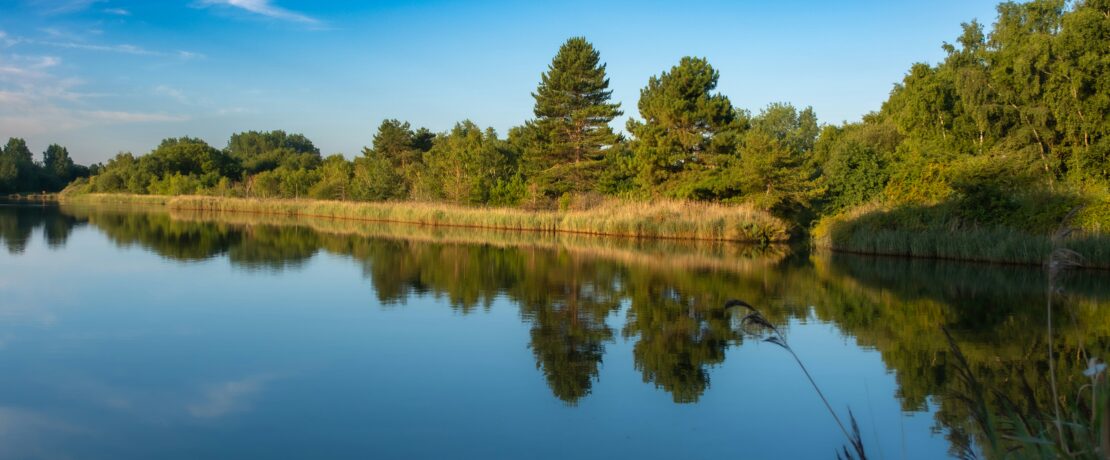
The Chartered Institute of Ecology and Environmental Management (CIEEM) has particularly criticised the lack of measures to strip out nutrient pollution before it enters waterways, such as sustainable drainage systems and integrated constructed wetlands (like reedbeds and other shallow marshy habitats) to filter out nutrient pollution. Measures like these could be included but would cost more, and the government and Natural England are keen to keep the levy lower in this first EDP (and taxpayers will be funding many conservation measures while waiting for revenue from the levy to trickle in).
The Nature Restoration Fund is a flagship policy which government ministers need to show is having an impact on the ground. But it will be important that taxpayer funding isn’t used to hide problems with the concept, particularly if it turns out that developers aren’t keen to pay the levy. Ministers want to see many more EDPs up and running soon, but with all this uncertainty it’ll be important to know first if the concept actually works in practice. We’ll need Natural England to be honest and transparent about the challenges that EDPs will face going forward.
From a CPRE perspective, there’s also the need to ensure that EDPs operate within a wider system of protections for the countryside. For too long, decisions about land have taken place in (often competing) silos. Land use tools like Defra’s Land Use Framework, new Spatial Development Strategies and local nature recovery strategies need to work together with EDPs to support an integrated approach to land, rather than one in which protecting nature and the countryside come second to economic growth. It’s unclear how the first EDP will interact with other incentives and policies to better manage the river catchments in Norfolk.
The consultation runs to 27 October. Both CPRE and the Better Planning Coalition, with our partners at Wildlife and Countryside Link, will be making the case to Defra and Natural England for stronger measures to tackle the sources of pollution and for a more joined-up approach to land use and development.