Weymouth road decision could threaten landscape and wildlife everywhere
8 May 2007
Countryside campaigners CPRE [1] have condemned the Government’s decision not to call a public inquiry into a controversial, highly damaging road scheme which a local council gave itself planning permission for.
CPRE says the decision by Ruth Kelly, Secretary of State for Communities and Local Government, not to ‘call in’ the planned Weymouth Relief Road could threaten our finest landscapes and rarest habitats throughout England.
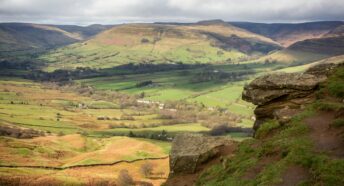
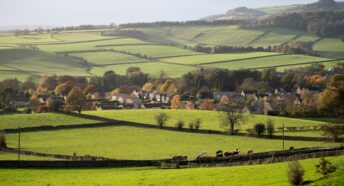
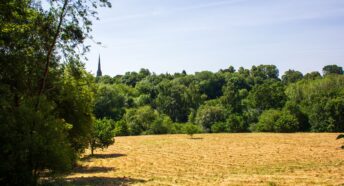
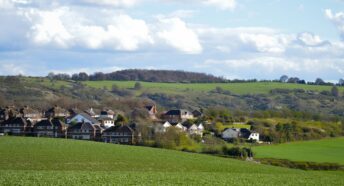
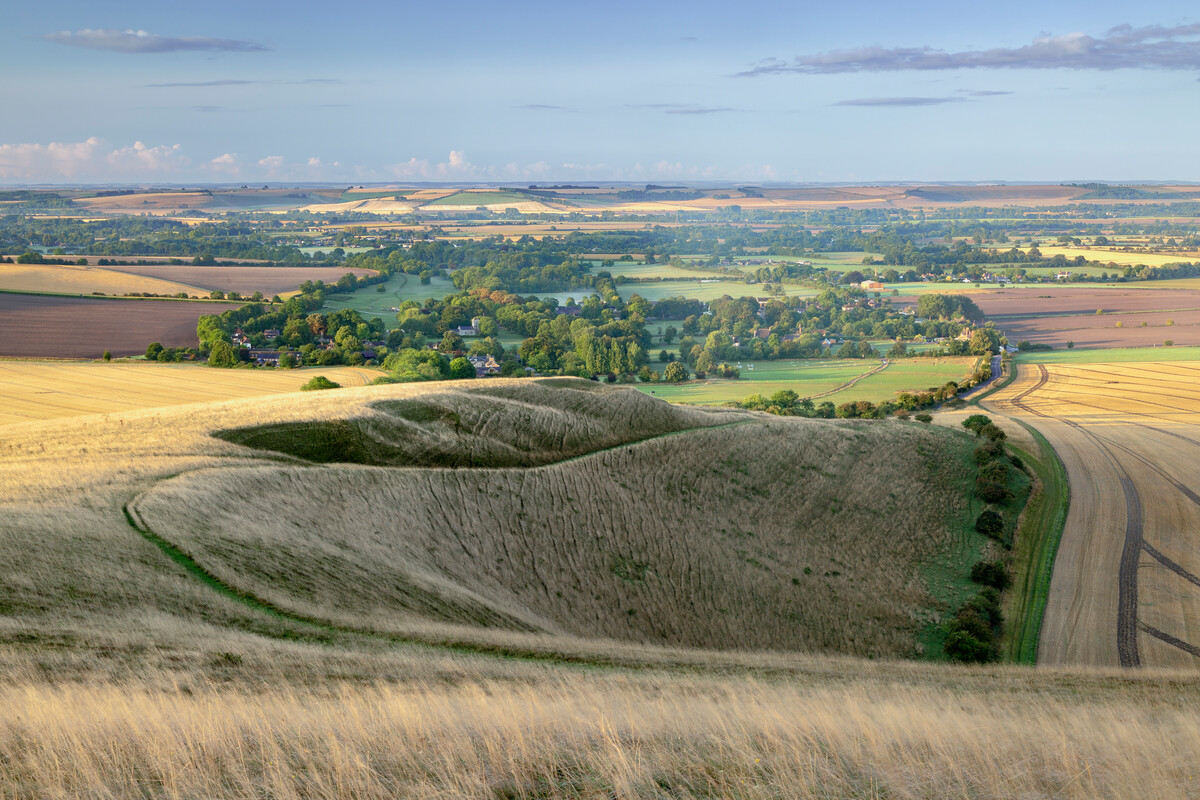
The proposed road will gouge a deep wound in the high chalk hills of the Dorset Downs Area of Outstanding Natural Beauty (AONB) [2], obliterate part of an Ancient Woodland [3] and will generate a significant quantity of carbon dioxide in its first year of use alone [4].
But the Secretary of State has told Dorset County Council she does not regard this road proposal as being in serious conflict with Government policies for the protection of nationally significant landscapes or wildlife [5]. Consequently, there will not be a public inquiry to hear the evidence for and against the road.
‘This is a shocking decision which shows a breathtaking disregard for the Government’s own stated aim to protect nationally protected landscapes and wildlife sites,’ said Tom Oliver, CPRE’s Head of Rural Policy.
‘It is difficult to see how any landscape, however special, or any habitat, however precious, is safe when the Government refuses even to acknowledge that a serious conflict exists between a new road like this and the treasured sites that lie in its path,’ he continued.
CPRE, together with a group of other leading environmental campaigning groups, have long made it clear to the Government, as well as the local highways authority, Dorset County Council, that the Weymouth scheme would be immensely damaging and that even the economic case for the road is weak. Meanwhile the cost of the road has soared to a whopping £77m of public money [6].
The Government’s official landscape and wildlife watchdog, Natural England, has always maintained its opposition to the scheme. The public response to the planning application by Dorset County Council to build the road was overwhelmingly against the proposal [7].
‘One reason advanced for building this road was that it was needed to support the sailing events at the 2012 Olympics, which will take place at Portland, near Weymouth over a few weeks,’ said Tom Oliver.
‘So much for a “Green Olympics” when the 2012 event is used to justify environmental destruction and increased carbon emissions on this scale.’
– END –
NOTES FOR EDITORS
1. CPRE, the Campaign to Protect Rural England, is a charity which promotes the beauty, tranquillity and diversity of rural England. We advocate positive solutions for the long-term future of the countryside. Founded in 1926, we have 60,000 supporters and a branch in every county. Patron: Her Majesty The Queen.
2. Dorset Area of Outstanding Natural Beauty is a nationally protected landscape at the heart of Thomas Hardy country. Under the Government’s Planning Policy for Sustainable Development in Rural Areas (PPS7), AONBs have the highest status of protection and major developments should not take place in these areas except in exceptional circumstances. CPRE considers that these have not been proven in this case.
3. Part of an ancient woodland, Two Mile Coppice, which is part of the Lorton Site of Special Scientific Interest (SSSI) will be destroyed by the proposed road and more will be damaged by disturbance. A local nature reserve will also be partly destroyed.
4. Source: Dorset County Council. The projected CO2 emissions as a consequence of the proposed road will be an extra 2,247 tonnes in the opening year. For comparison, this represents close to half the total reduction of CO2 planned by Dorset County Council, in the same year for ‘CO2 emissions under its direct influence’.
5. In her letter to Dorset County Council on 4 May 2007, Secretary of State for Communities and Local Government Ruth Kelly said: ‘…on balance, intervention would not be justified as there is not sufficient conflict with national planning policies…’.
6. Source: Dorset County Council. The original approved cost of the road by the Department for Transport was £54.567m in December 2003. The latest estimated cost is £77m.
7. There were 5,831 objections to the scheme and 1,743 indications of support to the planning application. In Dorset alone, there were 3,249 objections and 1,681 indications of support.