Effective planning essential to deliver homes that are affordable and green
23 July 2007
‘Beware of myths that planning stands in the way of delivering the new homes the nation needs. Rather than relaxing planning controls, we must strengthen them to ensure that new homes are affordable, well designed and built in sustainable locations, increasing the use of previously developed land and reducing the risk of flooding.’
This was CPRE’s [1] reaction today (Monday) to the publication of the Government’s Housing Green Paper [2].
Neil Sinden, CPRE’s Policy Director, said:
‘Contrary to some claims, planning is not an obstacle to building the homes we need. There is already an adequate supply of land in the system [3] and enough brownfield land to provide over a million new homes [4]. Effective planning is critical if we are to protect the environment while accommodating necessary development. It isn’t scaremongering to say that the recent floods demonstrate what could happen if we allow the planning system to ignore environmental factors.
If new housing is to be environmentally sustainable, the planning system must play a central role. Planning is needed to help secure the right kind of housing in the right places, protect floodplains, and guide the development of the new ‘eco-towns’ and infrastructure funding.’
CPRE welcomes the Housing Green Paper’s emphasis on:
• The need for much more subsidised affordable housing – there has been a dramatic decline in affordable housing provision from an average of over 100,000 homes a year in the 1970s to less than 30,000 since 2000. We need to boost the level of affordable housing, with a specific target to meet the needs of rural communities;
• The importance of making better use of brownfield land – while we’ve seen an increase in new housing on previously developed land from 56% to 74% in the past 10 years, further progress is needed if we are to build truly sustainable communities well integrated with existing urban areas;
• The need for improvements in the design of new housing – there must be a step change in the quality of new housing, the vast majority of which is seriously deficient in terms of design and environmental performance, failing to create a sense of place or the conditions in which communities can thrive [5].
Neil Sinden concluded:
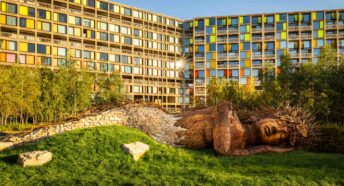
‘There is a long way to go before we can say we are providing the kind of housing we need where it is needed. We now regret the poorly designed, high rise, single tenure estates of the 50s and 60s. We need more not less planning if we are to avoid repeating the mistakes of the past and achieve the Green Paper’s aspirations.’
– END –
NOTES FOR EDITORS
1. CPRE, the Campaign to Protect Rural England, is a charity which promotes the beauty, tranquillity and diversity of rural England. We advocate positive solutions for the long-term future of the countryside. Founded in 1926, we have 60,000 supporters and a branch in every county. President: Bill Bryson. Patron: Her Majesty The Queen.
2. The Housing Green Paper was launched by the Minister for Housing and Planning, Yvette Cooper MP, on 23 July, 2007.
3. Research published by CPRE on 21 July showed that across the country the planning system already allocates enough land for housing and that increasing the supply of land for housing would make little difference to housebuilding rates or house prices. Planning for Housing Affordability, http://www.cpre.org.uk/news/view/416 prepared by independent consultants Green Balance, examined case studies in Dorset, Cambridgeshire, Kent, Devon and Darlington and found that in most areas there was enough land allocated in local authority plans or with planning permission for more than 10 years’ supply. In the South East region, often viewed as the area with the biggest land supply problem, housing land supply increased by 39% in the six years to 2006 and is currently enough for well over eight years’ needs.4. According to research by the Department for Communities and Local Government in 2005 there was 63,5000 ha of land available for development in England, of which 27,600 ha was available for housing, enough for more than 1 million homes at 40 dwellings per hectare.
5. According to the latest housing audit by the Commission for Architecture and the Built Environment (CABE), published in February, 2007, 82% of new housing built over the last five years ‘failed to measure up on design quality.’