


My great-grandfather, and the countryside he spent his life fighting for
A hundred years of CPRE. It’s a genuinely remarkable milestone to be marking, and I feel enormously proud to have any connection to it at all — because my great-grandfather, Sir Herbert Griffin, was there right at the beginning, as the organisation’s first General Secretary, helping to build CPRE from nothing into the national institution it still is today. This is a little of his story.
Family life
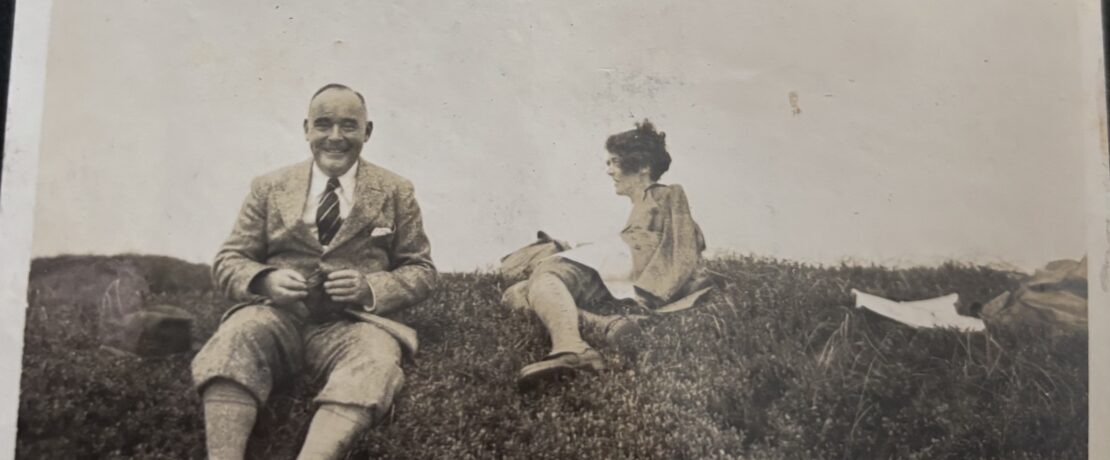
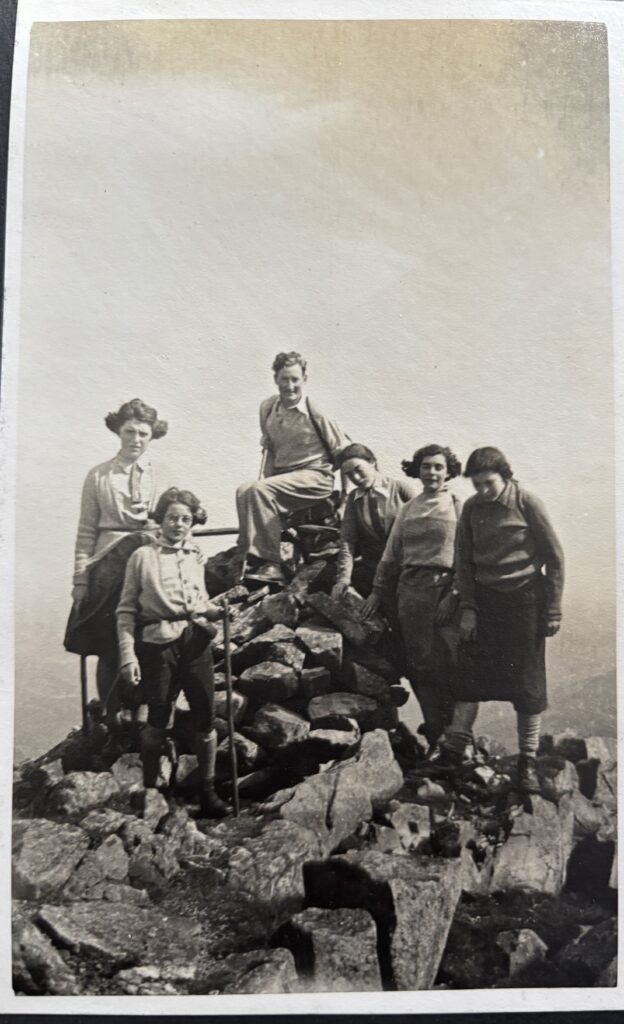
He was something like folklore in my family. My Gran Jess and her four sisters — Herbert’s five daughters — grew up recalling him with real pride, telling and retelling stories about his life, his dedication, and his passion for CPRE and for conservation, often enough that some of those stories have come down to me almost intact, even though none of us telling them now ever knew him ourselves.
He came from humble beginnings — which makes everything that came after all the more remarkable.
He fought in the First World War, and was wounded twice — once near Ypres in 1915, and again more seriously in 1917, a head injury that gave him headaches for the rest of his life. It was while he was recovering from that second wound that the real turning point came: a letter arrived from three men he’d never met — Lord Crawford, a former government minister; Patrick Abercrombie, a town planner; and Guy Dawber, an architect — asking whether a wounded infantry captain might be interested in helping to organise a new national movement to protect the English countryside.
He said yes. That yes became CPRE.
The beginnings of CPRE
From 1926 until his retirement in 1965 — thirty-nine years — Herbert was CPRE’s General Secretary, building it, virtually from nothing, into the organisation that campaigned against unchecked development, advertising hoardings along the roadside, and the loss of ordinary farmland and hedgerow. Colleagues remembered him working at a pace that exhausted everyone around him — coming down the office stairs some mornings with a headache from his old war wound in one hand and an urgent letter in the other, determined to get it out to two dozen recipients before lunch. He sat on the government’s National Parks Committee from 1936, and the work he’d been doing for over a decade finally became law in 1949, with the National Parks and Access to the Countryside Act. He always said that being made a National Parks Commissioner in 1955 meant more to him than the knighthood that followed two years later — a victory, as he put it, that he’d had a genuine hand in winning.
In 1948, he gave a speech that has stayed with our family since we first read the surviving pages of it. He argued that protecting the countryside was never about freezing it in place — “not sterilisation,” he said, not treating England like “a museum piece” — but about making sure change happened by design rather than by neglect. He closed with a line I think about often now: ”We still have time to save the countryside, but we have only just the time.” He said that in 1948. It feels, if anything, more urgent now than it did then.
What strikes me most, working through everything he left behind, isn’t really the honours — the CBE, the knighthood, the Van Tienhoven Prize he was the first Englishman ever to receive, for his contribution to conservation across Europe. It’s the letters he wrote to my grandmother Jess when she was small, while he was away on CPRE business — funny little illustrated stories about a jackdaw quarrelling with a pair of blue tits over a chimney pot, each one with his own pencil drawings tucked in alongside the text. It’s such a different register from the committee rooms and the government departments and the urgent reports. I think it’s the clearest evidence we have of who he actually was underneath the institution he built: someone who loved the natural world in the smallest, most particular ways, not just the grand, campaigning ones.
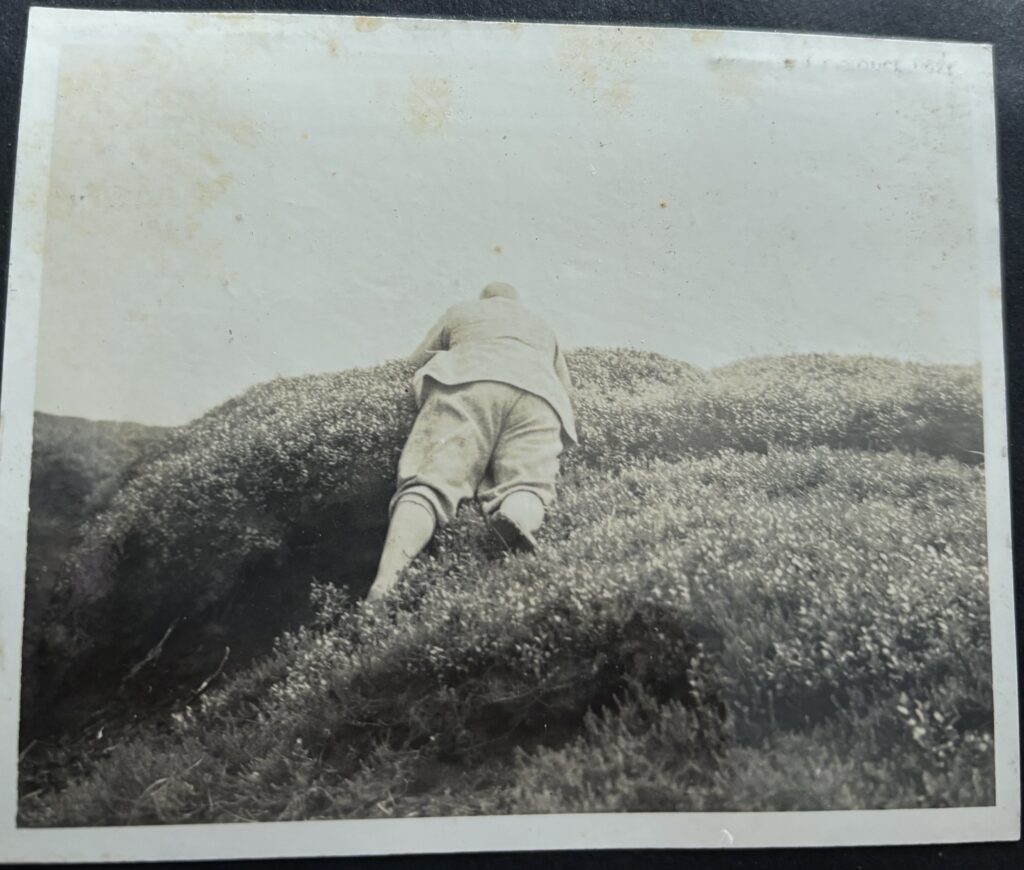
If I could speak to Herbert now
I find myself wondering, now, what he would make of the countryside today. Some of what he fought for, he won outright — the National Parks he helped create are still here, still protected, still walked by millions of people every year who will mostly never know his name. But some of the pressures he spent his life pushing back against have simply changed shape rather than disappeared. Development pressure hasn’t gone away. Hedgerows and farmland are still being lost. And there are entirely new threats he never had to reckon with — the scale of biodiversity loss we’re only now beginning to properly understand, a changing climate reshaping the landscapes he thought he was protecting for good.
If I could ask him one thing, I think it would be this: how do you keep fighting a fight that never actually finishes? Because that, more than any single campaign or Act of Parliament, seems to be the real inheritance he left CPRE — not a settled countryside, safely preserved, but the understanding that it never gets to be settled, that every generation has to take up the gauntlet again on its own terms.
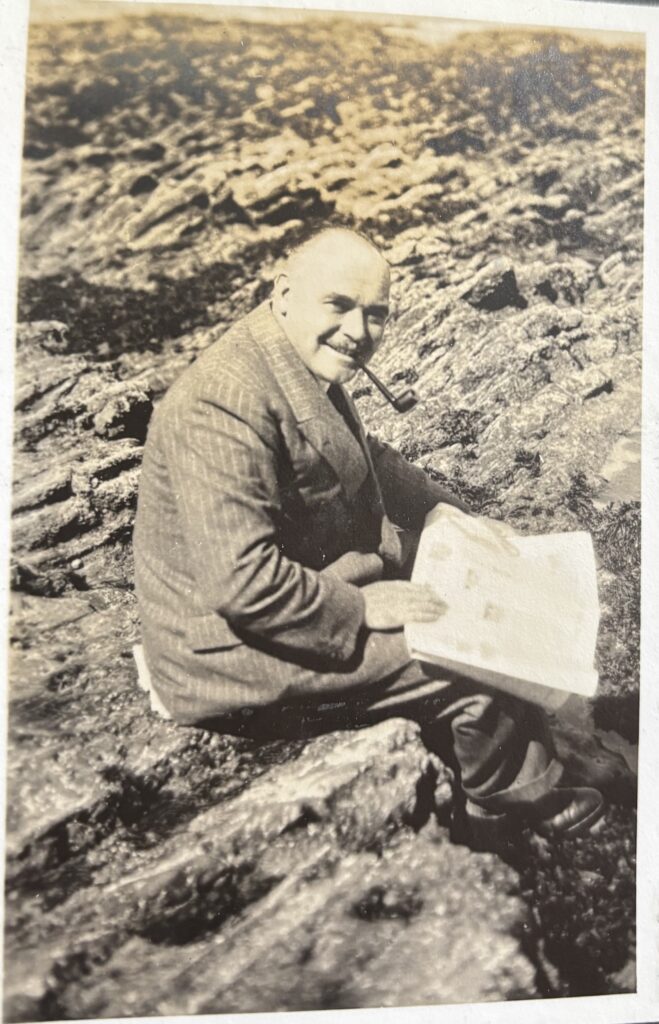
Herbert’s legacy into the future
What I’d love to see, looking forward, is exactly what he spent his life working toward, translated into what today actually needs: a countryside that’s genuinely accessible to everyone, not just those who already know how to find it; real, urgent action on nature recovery and biodiversity, not just protection of what’s left; and a planning system that treats the ordinary countryside — not only the beauty spots and the National Parks, but the everyday fields and hedgerows and footpaths — as worth fighting for in its own right, the same way he always insisted it was.
And I think he would, in his own understated way, be quietly delighted by how much of what he started is still going. CPRE’s current campaigns — on dark skies, hedgerows, what gets built where, the climate emergency — are the direct descendants of the same instinct that had him arguing against ribbon development and advertising hoardings a century ago. He’d be pleased, I think, about litter. Campaigning against rubbish in the countryside was there in CPRE’s own founding manifesto, and it was Herbert himself, at the Women’s Institute’s AGM, who seconded the resolution that became the Keep Britain Tidy group — an organisation that recently marked its seventieth anniversary and is still going strong today. That instinct for partnership ran right through his career, from CPRE’s own founding coalition of bodies like the National Trust and the Commons, Open Spaces and Footpaths Preservation Society, to the WI decades later. It says something true about what he was actually good at: not just having the right ideas, but getting other people and other organisations to pull in the same direction. CPRE is stronger now, and has been stronger for decades, precisely because he built it to work that way from the start — not as one man’s campaign, but as a coalition that could outlast him.
How prophetic that sounds now. He believed there was still time to save the countryside, but we have “only just the time.” The baton’s ours now.