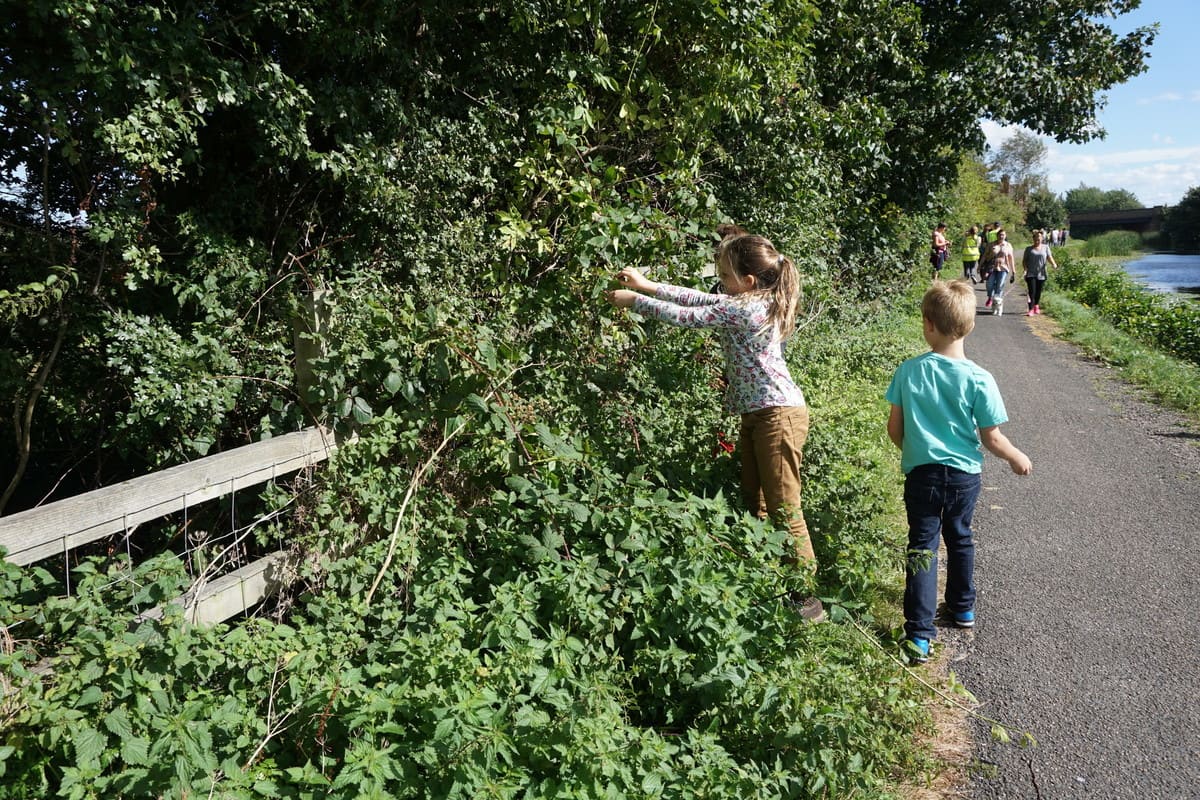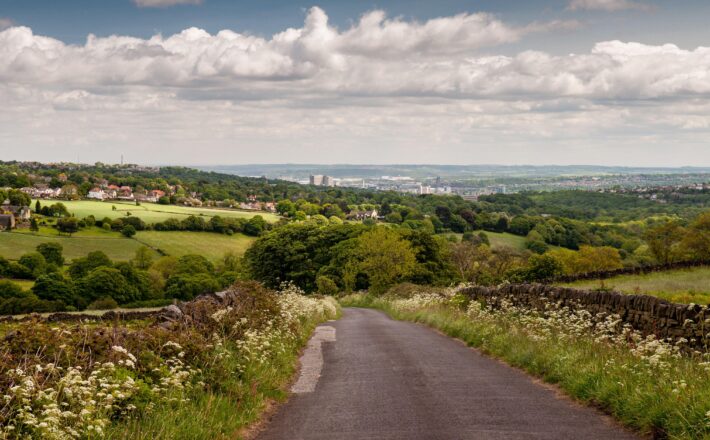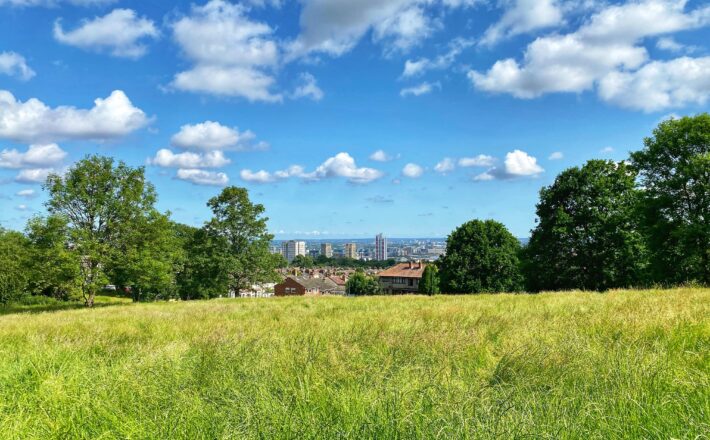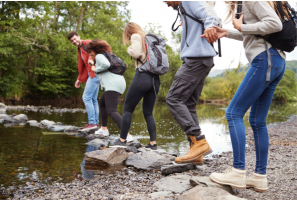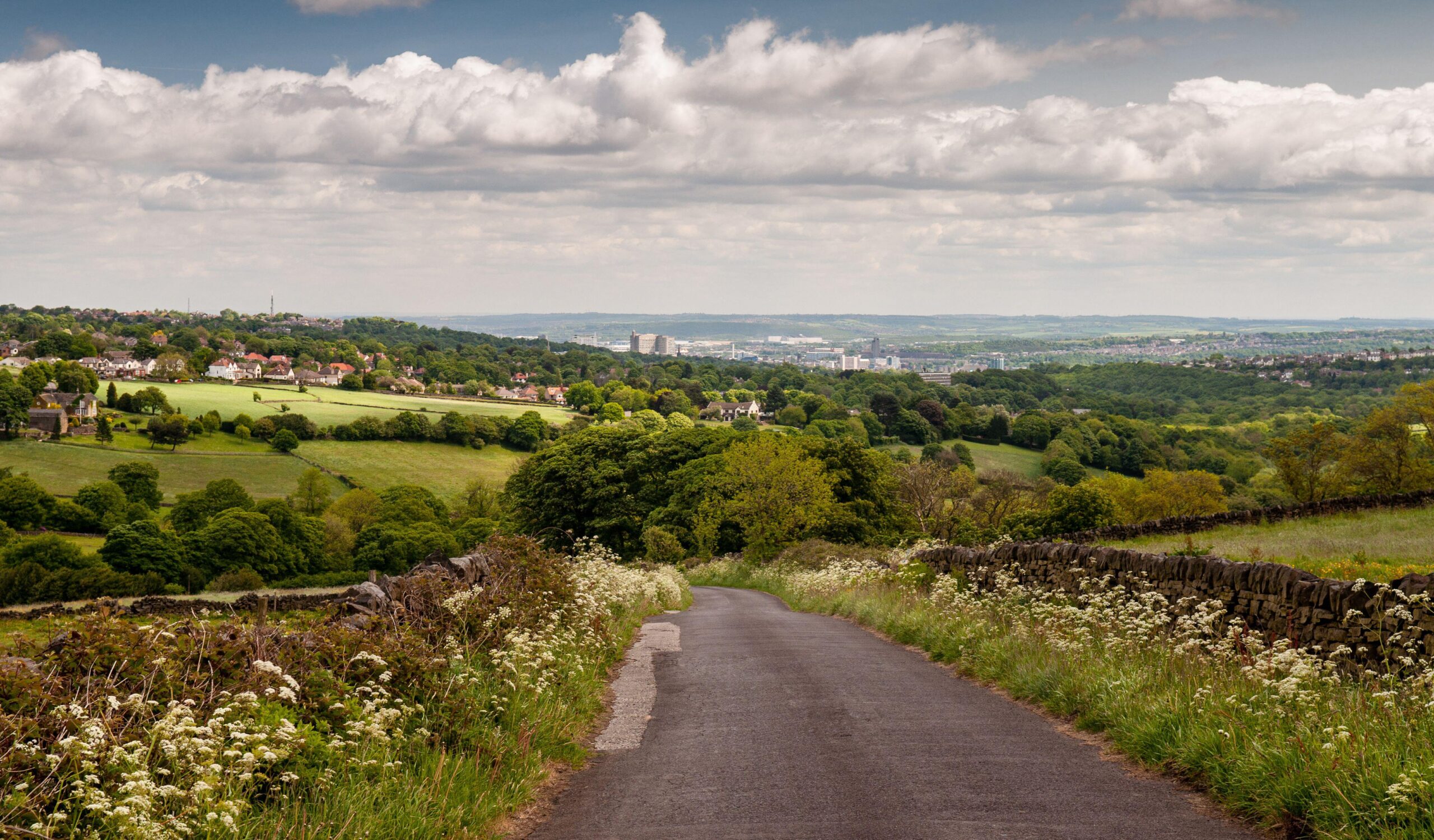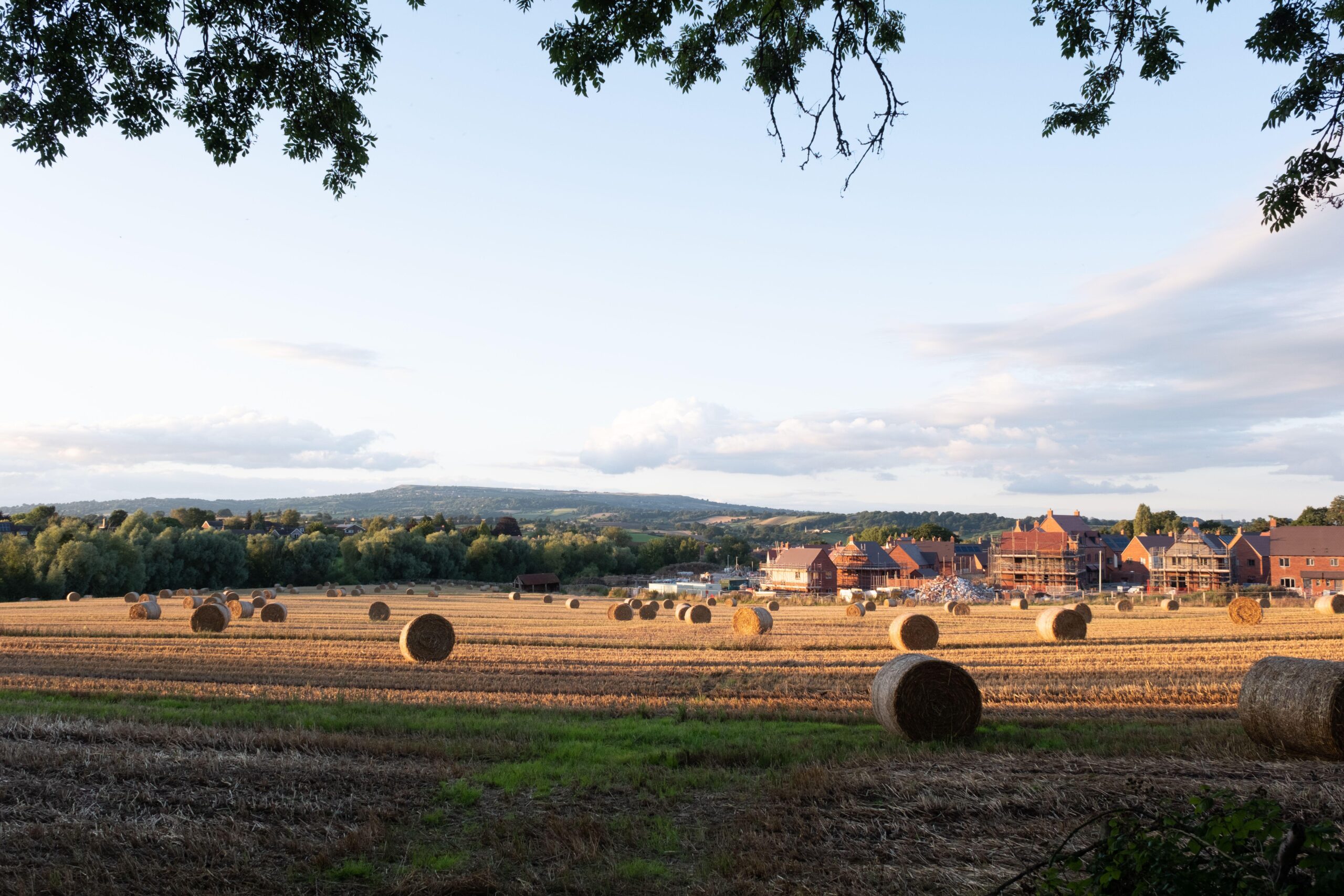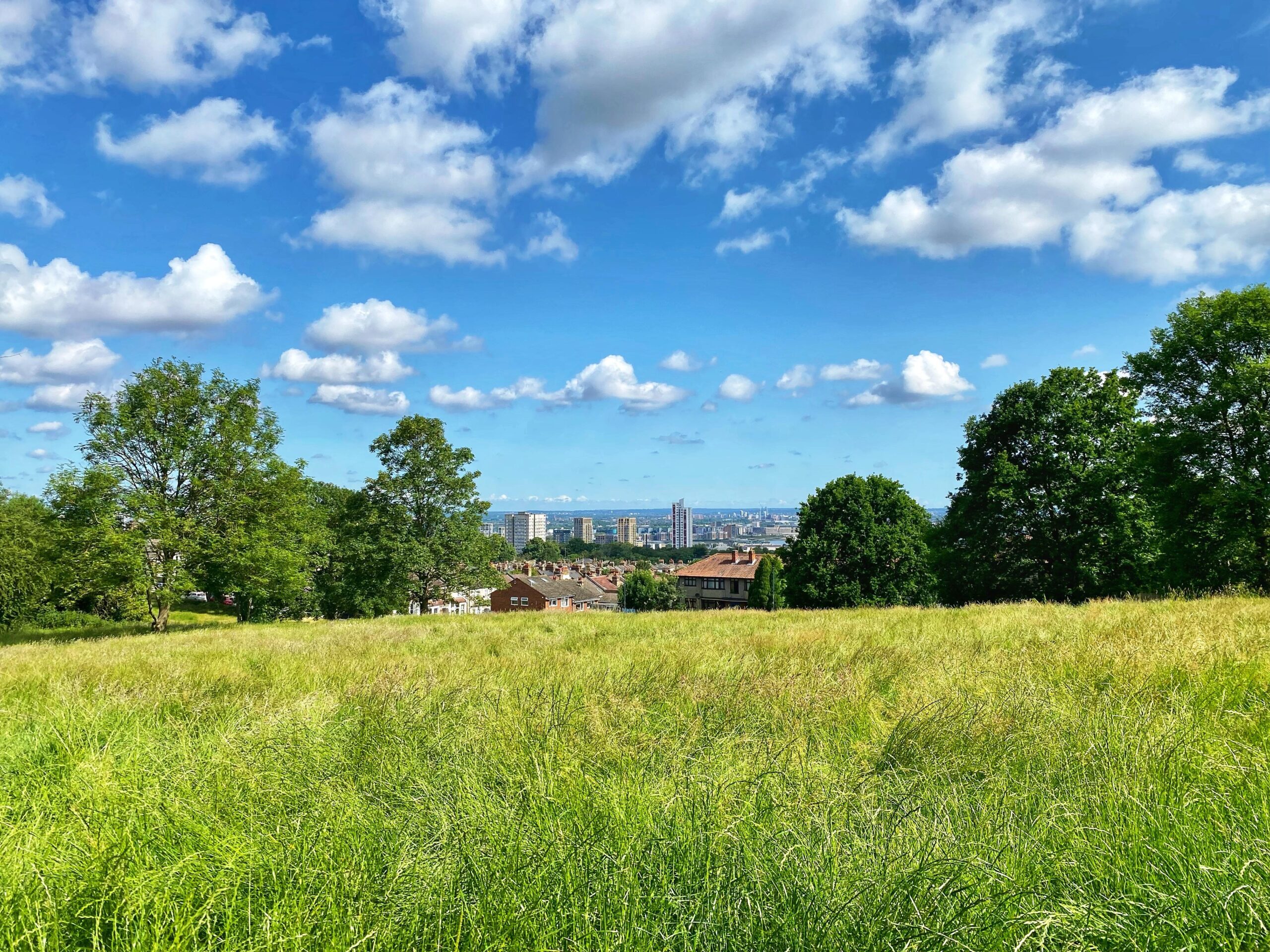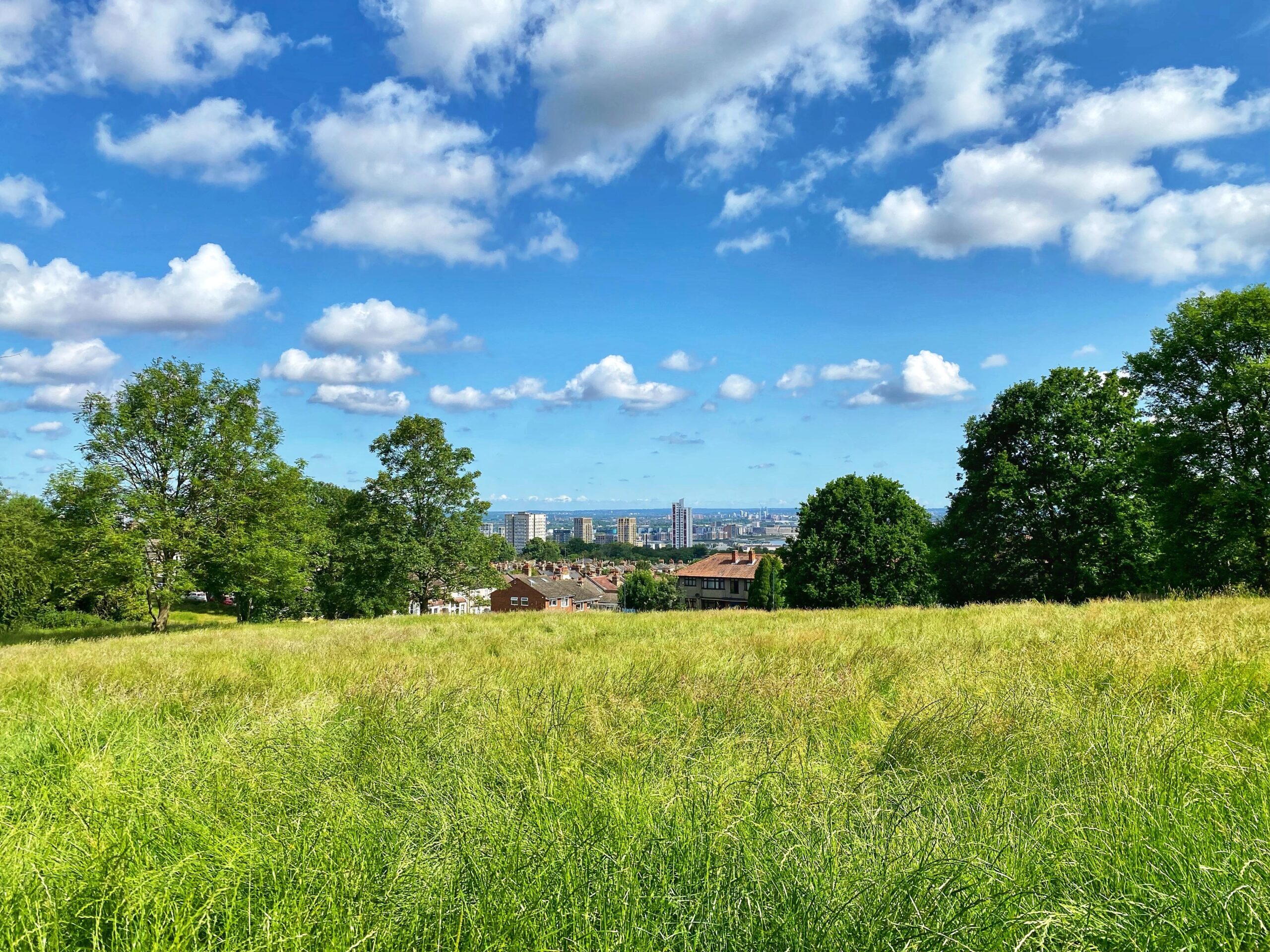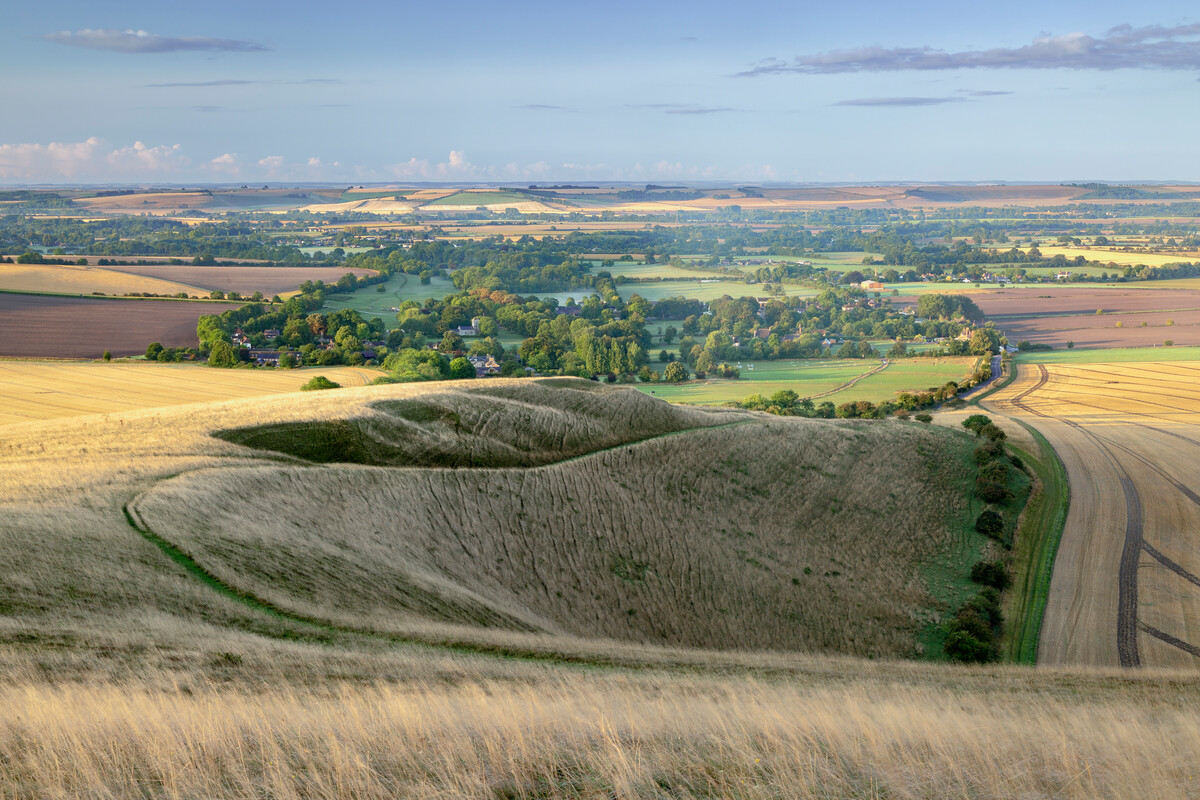
Green Belts are a buffer between towns, and town and countryside. Within their boundaries, damaged and derelict land can be improved and nature conservation is encouraged. The ever-increasing pressure on land for more roads, housing and airport expansion means that it is vital to protect the Green Belts that we have. Over 800 hectares a year of this land is disappearing under new developments.
Our research with Natural England, Green Belts: A greener future explored how these vast national assets can be better used to:
- Link towns and cities to the countryside
- Help with food production
- Help us tackle the huge challenges of climate change
- Form part of a nationwide ecological network providing breathing places for people and for nature long into the future.
|
Our view Green Belt land is important for our wider environment, providing us with the trees and the undeveloped land which reduce the effect of the heat generated by big cities. Instead of reducing this green space, we should be using it to its best effect. We know from our research that three quarters (79%) of the population would like to see more trees planted and more food grown in the areas around towns and cities. Green Belt land is ideally placed to do this – providing more local produce which will help the environment again, by reducing food miles. The openness of Green Belt land needs to be cherished and protected permanently. That way, Green Belts will protect our countryside and help regenerate our cities. |