Planning
Planning
Building in a small island
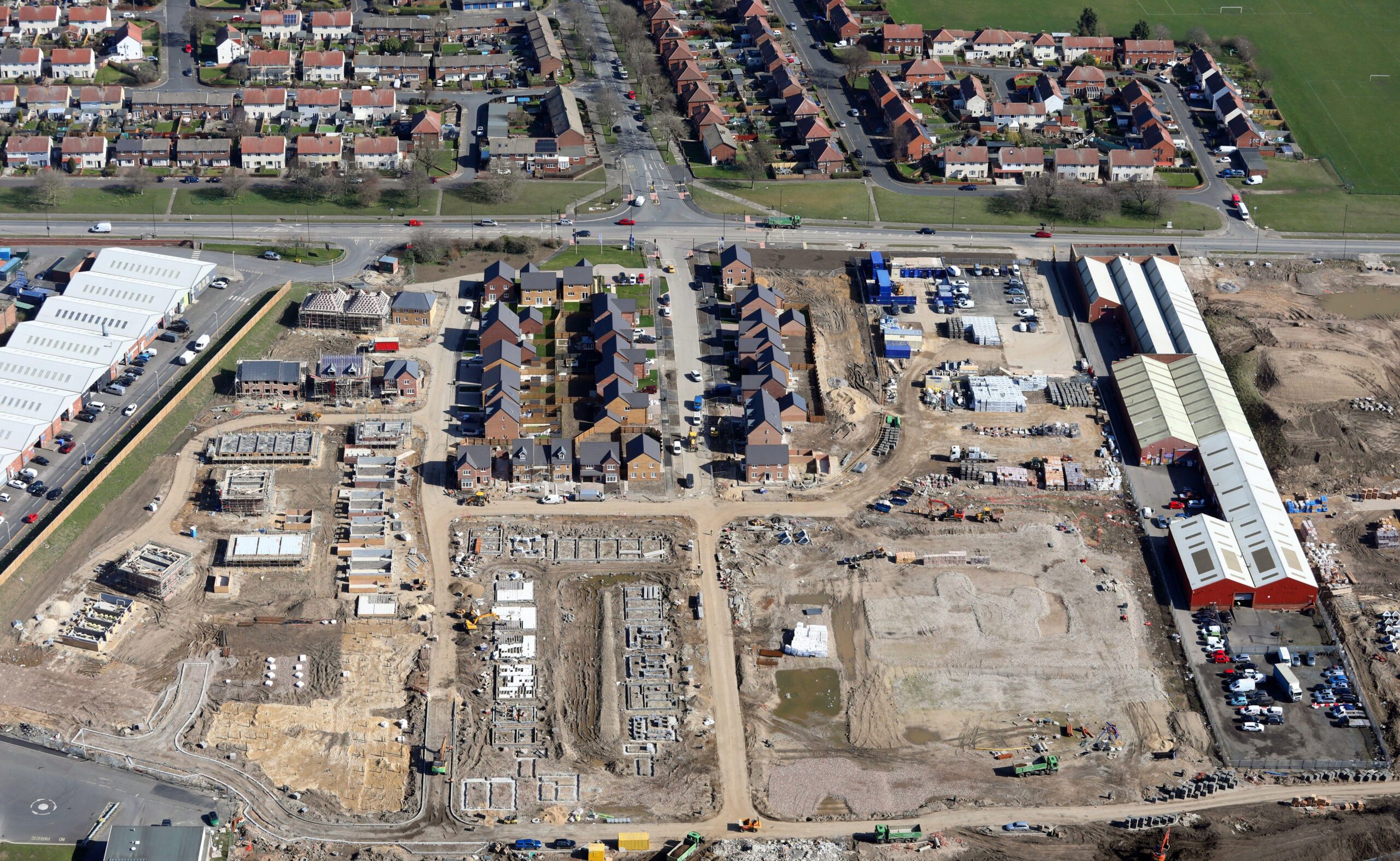
Why we still need the brownfield first approach
This report responds to one of the potentially most far reaching changes proposed in the Government’s consultation draft National Planning Policy Framework. It examines the proposals to cease giving clear priority nationally to development on brownfield sites (formally called ‘previously developed land’) before greenfield. It also considers the implications of the related recent policy changes made by the Government to drop the minimum housing density range which has until recently been recommended as national policy.
Coastal Change Policy
CPRE's response to the Defra consultation
This response presents CPRE's case for a holistic strategy to protect England's coast from ill-considered development, coastal erosion and climate change. We believe that the planning system must play a major role in delivering this by adapting to the effects of climate change and reconciling the needs of agriculture and public access to the coast. To this end, CPRE welcomes the Government's schemes to fund coastal planning and develop best practice in adaptation.
Communities, Planning and Localism
A research report for CPRE Gloucestershire
This report draws out key points from a study commissioned early in 2011 by CPRE Gloucestershire. In summary, the project brief was to contribute to the unfolding government policy on localism by reviewing the effectiveness of community involvement in neighbourhood planning in the area of Parish Plans and Village Design Statements.
CPRE's policy on planning
Good land-use planning is the unsung hero of environmental protection. It can encourage urban regeneration, curb urban sprawl, help slow the growth in road traffic, protect the beauty and tranquillity of the countryside and safeguard wildlife habitats. Effective planning is more important now than ever before with economic pressures and a growing population leading to more development intruding into the countryside. Precious Green Belt land is being eaten away despite a Government commitment to protect it. Proposed new legislation concerning the planning for major infrastructure projects presents a serious challenge to the integrity of the planning system.
CPRE's response to the draft National Planning Policy Framework consultation
CPRE has strong concerns that the draft National Planning Policy Framework would be both unworkable and damaging as a statement of national planning policy. The draft policies threaten both the long term health of our countryside and sustained investment in urban areas, and seek to promote economic growth seemingly at any cost, rather than development that is truly sustainable. This document sets out our key concerns and points of evidence in this summary, followed by our key recommendations to address these issues.
CPRE's response to the Government's consultation paper on Draft Planning Policy Statement 4: Planning for Prosperous Economies
CPRE's response welcomes the draft policy's emphasis on safeguarding town centres, markets and village shops, but highlights the need for greater consideration of transport, land-use and climate change issues. The response also calls for a greater emphasis on reducing the need to travel, supporting local food webs and moving towards a low-carbon economy, while proposing targets for the suggested re-use of brownfield sites and existing buildings.
Deconstructing Barker
A one dimensional misunderstanding of a multidimensional issue: a critique of the Barker Review of planning
Departure Applications
How, when and why to ask that departure applications be called in
Local authorities make decisions on planning applications in line with policies in the approved development plan for their area. Sometimes a large-scale or controversial scheme gets approval which goes against the development plan. The local planning authority has to tell the Office of the Deputy Prime Minister about most departure applications it intends to approve. This guide explains what types of development could be considered a 'departure application', and when and how you can take action to influence a decision.