

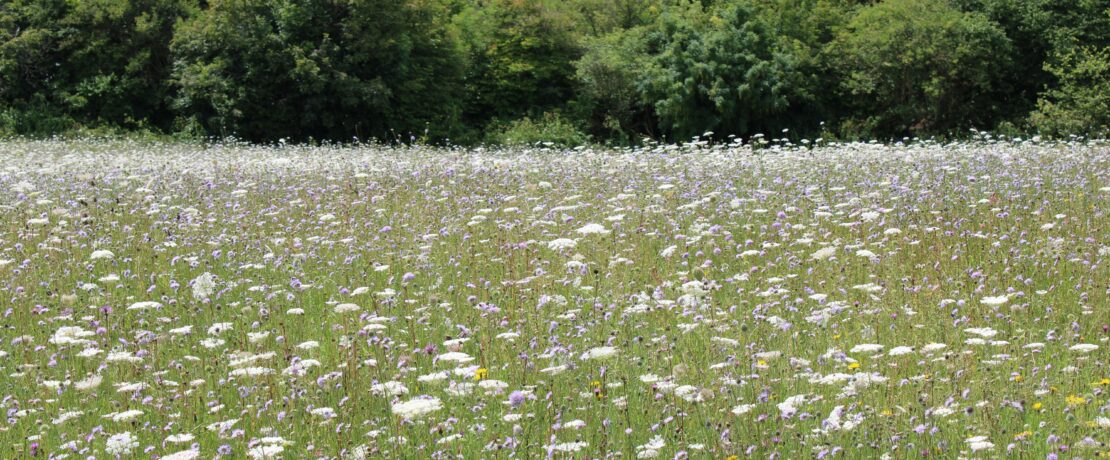

Meadows volunteering – a gentle way to manage the ecosystem
As part of Volunteer’s Week 2026, Ken de Souza talks to us about his volunteering as a Meadows Volunteer with CPRE Hampshire.
Ken is in his third year as a meadows volunteer with CPRE Hampshire and has been volunteering in multiple green spaces around the city of Winchester. He found out about the project through scything training offered locally. Originally from a biological sciences and research background, Ken followed a career in international development and has always been interested in nature and conservation.
Ken retired 3 years ago and decided to volunteer locally as he had spare time. Ken describes his volunteering as seasonal, with ‘a bit here and a bit there’, starting out with the Wildlife Trust and Butterfly Conservation, then joining CPRE’s Meadows volunteers and now more recently for the South Downs National Park Western Area.
Reflections on the role
CPRE Hampshire’s meadows role felt like a natural evolution for Ken from his interest in wildlife, butterflies and gardening. ‘Scything is fascinating as a gentle way of helping manage the ecosystem to revert to a more traditional species rich wildflower meadow,’ he says.
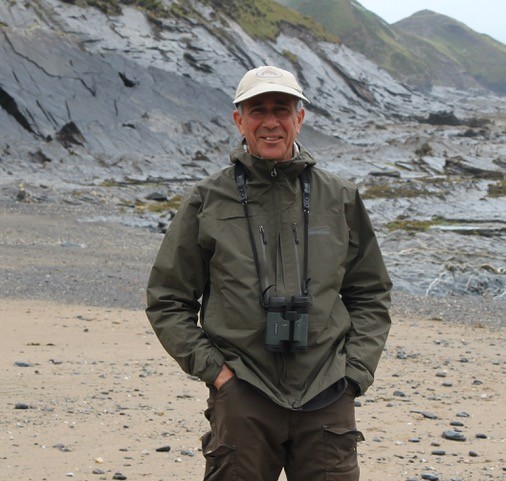
Talking about a typical day’s volunteering in the meadow, Ken notes: ‘Haymaking is far more complicated than I thought it was. Actually, the scything itself is often the quickest bit. It’s everything else that takes time.’ Typical tasks as a CPRE meadows volunteer can vary, including scything, raking cut vegetation into wind rows to aid the drying process, collecting and then baling up the hay, or in some cases using freshly cut hay to help seed other areas. ‘You realise how much consistent effort over time it needs,’ Ken adds.
Ken found that meadows volunteering changed perception, reflecting: ‘When you’re scything, you’re very focused on what you are doing, and look at things slightly differently and in doing so you notice the detail on your small patch more than you would normally (…) you realise that there’s a much greater variety of habitat within that small area than you thought.’
‘I certainly have come to appreciate the diversity and the complexity of the environment you are working in. It’s different reading or hearing about it and actually noticing it yourself.’
On the edge of the city — accessible and social
Ken enjoys the camaraderie of the role. ‘Everybody brings a little camp chair and their snacks and their coffee and stuff, biscuits and whatnot,’ he says.
He saw how the project attracted a diverse range of people – ‘You’re in a group of people who have very similar interests at one level but it’s a very varied group of people, which is really nice: there’s a good age mix – from seniors through to volunteers in their early 20s.’
‘I think that’s one of the advantages of being on the boundary or the edge of a city – it’s much more accessible.’
Ken adds, ‘There’s this additional aspect of getting to know your local area. I didn’t know very much about Winchester’s green spaces before this, so volunteering on the Meadows project has helped me to get to know a bit more – there’s way more than I had thought – and you meet new people and do different things.’
Health benefits
Meadows volunteering offers Ken an alternative way to exercise whilst being outside and doing things that fit with his interests, finding it a good alternative to going to the gym. He also found it beneficial from a mental wellbeing perspective: ‘When you’re scything, you have to focus on what you’re doing. It’s calming in a way, you just get into a zone and you don’t think about anything else.’
‘It’s semi-selfish, you know, it’s good for you, but also good for the environment, and good for the community.’
Get involved
For others thinking about getting involved, Ken says ‘the beauty of this practical work is you can actually see something that you’ve done, you can see the impact… that’s the field that I’m helping manage… And then you come back later and see the changes — that there are more wildflowers and butterflies.’
If you would like to get involved in the work of your local CPRE, or view our other countrywide volunteering opportunities, take a look at our volunteering pages and current opportunities.